British Indian Good Food Guide 2026 gives London 35 of 100
The new edition names exactly 100 Indian restaurants across England, Scotland and Wales. Raval in Newcastle–Gateshead keeps the national title; 27 tables are new.
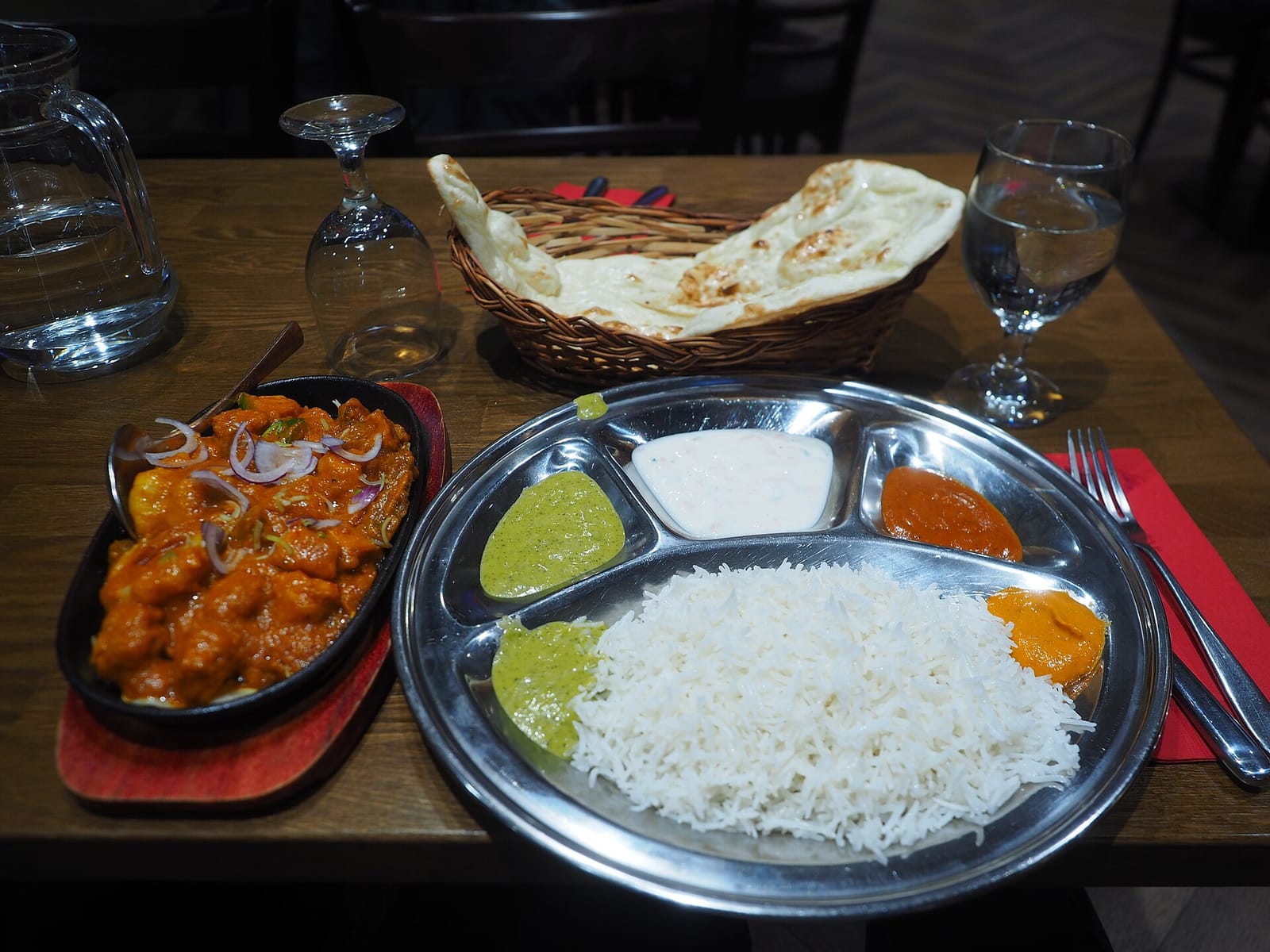
The British Indian Good Food Guide 2026, published in London on 10 November, names 100 Indian restaurants across England, Scotland and Wales, and 35 of them are in the capital.
Raval, in Newcastle–Gateshead, keeps the National Champion title for a second year running. It was the first restaurant from the North East to win the guide's top distinction when it took the 2025 award. The guide also names six London Icons: The Cinnamon Club in Westminster, Gymkhana and Jamavar in Mayfair, Quilon in Westminster, Veeraswamy on Regent Street and Benares in Mayfair.
Twenty-seven restaurants are new this year, more than a quarter of the selection. Eleven of them are in London, among them Chutney Mary, BiBi, Empire Empire, The Tamil Prince and Kachori. The rest are spread thinly: five in the North West, four in Scotland, four in Wales and the South West, two on the South Coast, in the East and in the Home Counties, and one in the Midlands, Kayal. Londoners looking for the wider field can start with our list of the best restaurants in London.
A hundred places, one editorial team and no paid entries: the guide's weight is its cap, not its size.
British Indian Good Food Guide: the regional split
Outside London the 65 other places are divided into six regions: Wales and the South West 13, the Midlands 11, the North West 11, Scotland 11, Yorkshire and the North East 10, and the South Coast, East and Home Counties 9. By AMUSE's count of the published list, Manchester and Birmingham have six entries each, Glasgow five and Edinburgh four.
The 13 regional champions include Opheem and Asha's in Birmingham, Dishoom in Manchester and Edinburgh, Prashad in Drighlington and Tharavadu in Leeds, Purple Poppadom in Cardiff, Swadish in Glasgow, Prithvi in Cheltenham, The Chilli Pickle in Brighton, Navadhanya in Cambridge and Sindhu by Atul Kochhar in Marlow.
What the editors say they measure
The selection rests on an editorial assessment of cooking, flavour, consistency, hospitality and the overall dining experience. The guide states that restaurants cannot pay for inclusion and that sponsorship and advertising do not influence the choice. It credits its decisions to a collective, The Editors, and names no individual inspectors.
That is worth keeping in mind when reading the numbers. The ranking is a single publication's judgement, not a census of British Indian dining, and the cap of exactly 100 forces cuts every year. Its own foreword puts the case in one line: “Indian cuisine is woven into British life.” The practical reading is that the capital holds over a third of the places, while the other 65 are scattered across the rest of the country.
For a visitor, the more useful starting point is the neighbourhood rather than the list: our guide to what to eat in London places these kitchens in context.