Twenty-four hours eating in Rotterdam
Dish by dish, from the market at seven in the morning to the last kitchen still open. Episode four of the city series follows one day of eating in the country's most self-made food city.
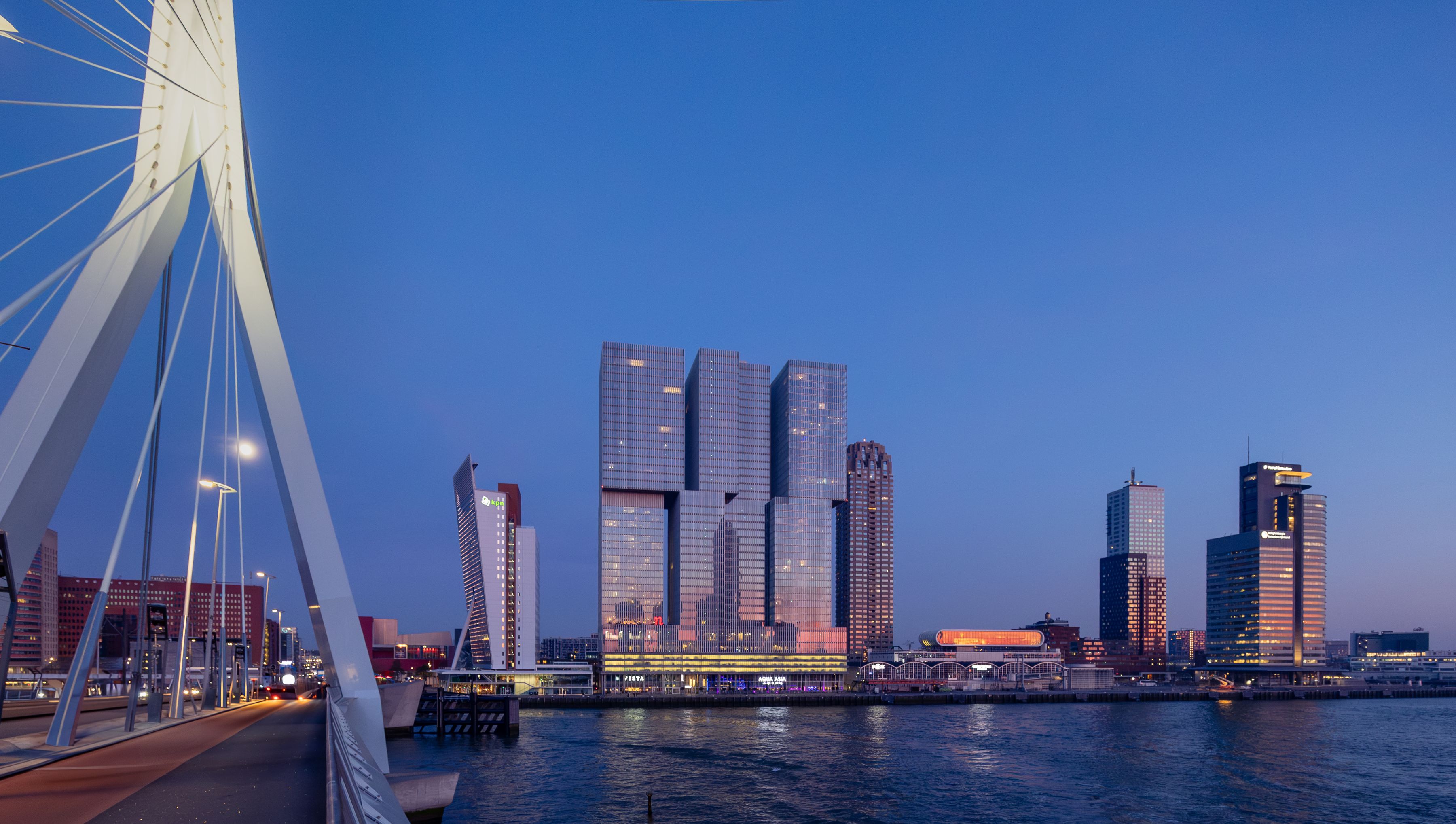
Rotterdam gets described as a young city so often that the phrase has stopped meaning anything. What is actually true is narrower: it has less inherited restaurant real estate than Amsterdam, so what opens there tends to open on its own terms.
The film starts at the market before seven, when stallholders are still setting up crates and the first coffee carts are the only thing drawing a queue. It ends after midnight, in a kitchen that has stopped taking new orders but not yet turned off the pass. In between, the crew ate at nine places across the day: a bakery, a fish counter, a lunch room, two very different Indonesian kitchens, a bar that serves food like it means it, and three places that only make sense once the sun goes down.
What is on the plate
Rotterdam does not do heritage. It does whatever is working right now, which is why it is the most interesting place to eat in the country.
None of this is a ranking, and it is not a best-of. It is a day, filmed as it happened, with the ordering, the waiting and the bill left in rather than cut out. The camera follows whoever is cooking, not whoever is talking about cooking, which is the small rule the whole series works by.
The city's own guide to what to eat in Rotterdam covers the dishes worth seeking out on a normal visit. The film covers what happens when you try to fit a normal week of eating into one day instead.
What happens next
The through-line across the nine stops was price. Almost everything worth eating in this city sits under thirty euros, and the kitchens doing it are not apologising for the format, or dressing it up as something it is not.
Watch the film for the full route. The addresses are in the description, in the order the day actually went, not rearranged into a tidier itinerary than the one the crew actually walked. Some of it will be useful only on the day you watch it, before a stall changes hands or a lunch room shortens its hours, which is part of the point of filming a city rather than reviewing it.