What to eat in Istanbul: 10 dishes and where to find them
Between the Bosphorus and the spice trade, Istanbul's kitchen runs on grilled meat, market fish and pastry too rich to rush — here's where locals actually order it.
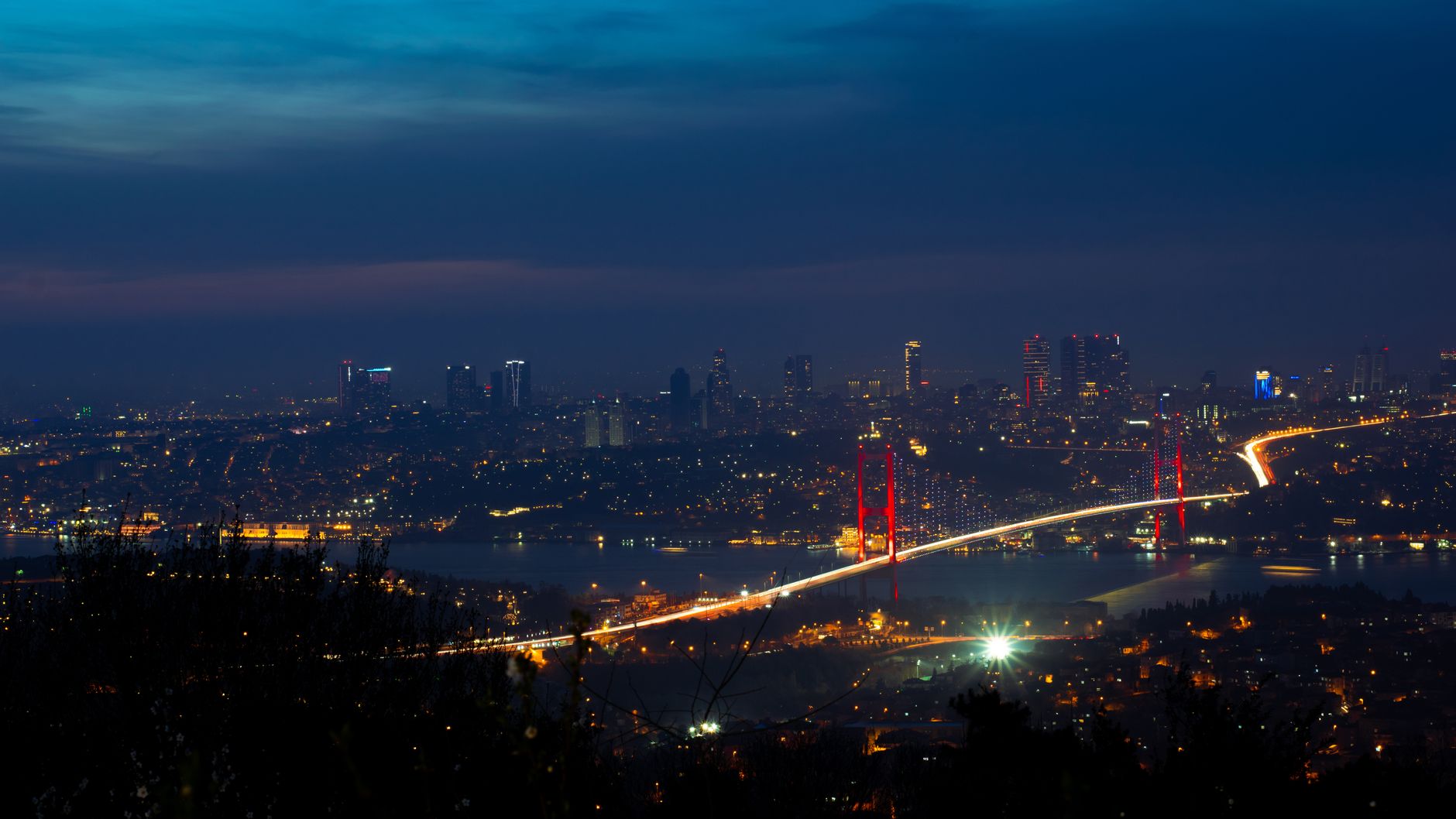
What to eat in Istanbul depends on which side of the Bosphorus you're standing on, but the short answer is grilled meat from Anatolia, fish pulled from two seas, and pastry built on centuries of court and street tradition side by side. Start with a fish sandwich by the water and let the city's markets and meyhanes take it from there.
Istanbul cooks like a city that has spent fifteen centuries as a capital and a crossroads. Ottoman court kitchens left it rice pilafs, stuffed vegetables and a taste for slow-cooked lamb; the Aegean and Black Sea coasts supply the fish and much of the olive oil that dresses its meze, even as Mediterranean olive oil prices swing with the harvest; and a wave of Anatolian migration since the mid-20th century filled the city with regional kebab houses and meze traditions from Adana to Van, which is a large part of why what to eat in Istanbul changes by neighbourhood as much as by season.
None of it stays still: a market stall and a linen-tablecloth restaurant can serve variations on the same plate a few streets apart, the kind of layering that also defines eating in Naples. Working out what to eat in Istanbul means picking a neighbourhood and a register, then working outward.
A city that has spent fifteen centuries as a crossroads doesn't settle for one signature dish.
Balık ekmek: what to eat in Istanbul first
The fish sandwich sold from boats bobbing by the Galata Bridge in Eminönü is the closest thing Istanbul has to a civic dish: grilled or fried mackerel, a fistful of onion and lettuce, a squeeze of lemon, folded into half a loaf of bread. Vendors have worked this stretch of shore for generations, serving it standing up, for around 100–150 TRY.
It's built to eat in five minutes between ferries, not to linger over, which is part of why it has survived foot traffic that would kill a sit-down restaurant.
Cağ kebabı at Şehzade Erzurum Cağ Kebabı, Beyoğlu
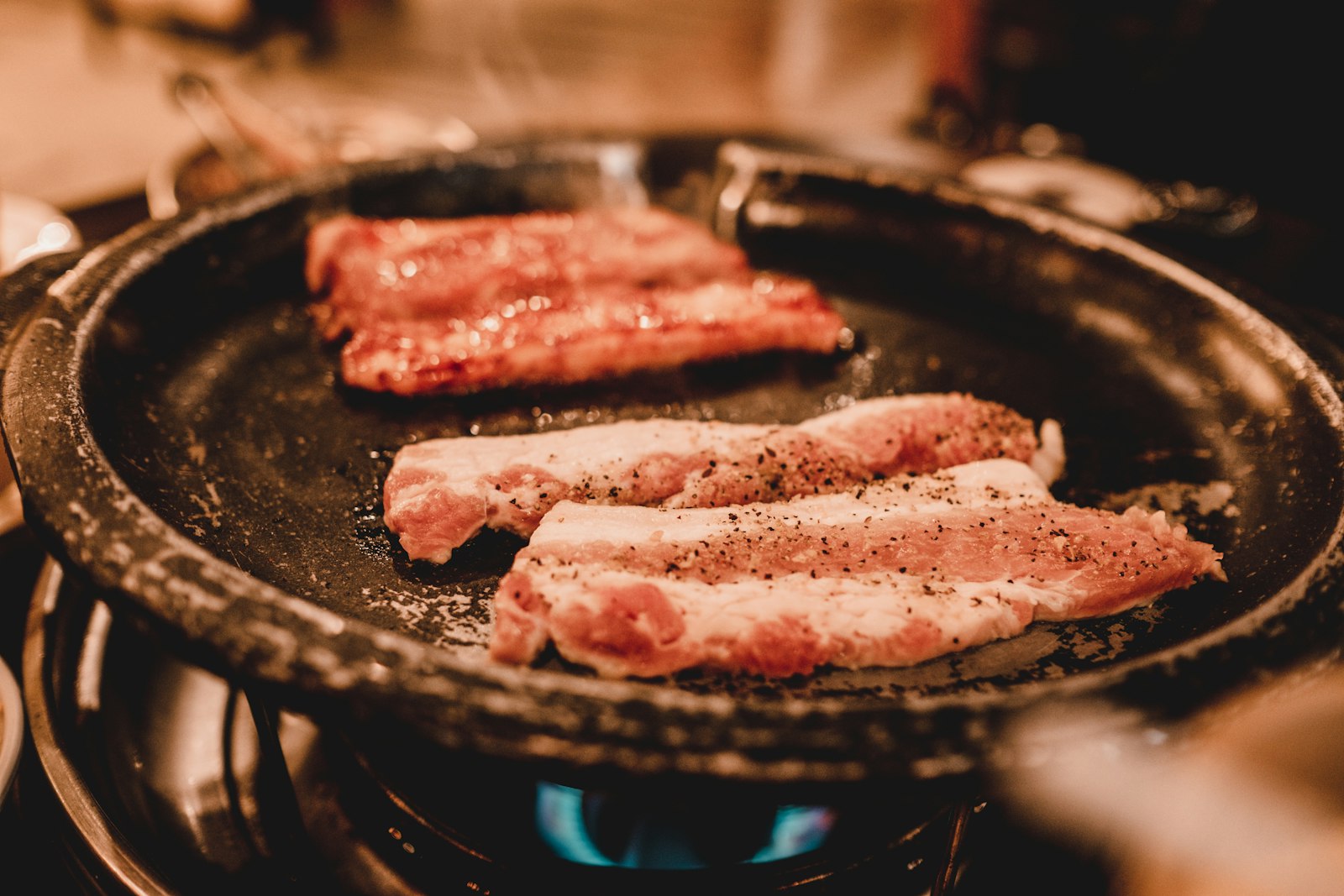
Cağ kebabı comes from Erzurum, in Turkey's east, and it isn't the vertical döner most visitors expect: lamb marinated and stacked on a horizontal spit, turned in front of a wood fire and sliced straight onto flatbread as each layer browns. Şehzade Erzurum Cağ Kebabı, a lunchtime institution in Beyoğlu, sells little else and keeps its queue moving fast, with a full plate running roughly 250–350 TRY.
Ocakbaşı grilling at Zübeyir Ocakbaşı, Beyoğlu
An ocakbaşı seats diners around an open charcoal grill rather than hiding it in a back kitchen, and Zübeyir, tucked behind İstiklal Avenue, has run one long enough that off-duty chefs eat there on nights off. Lamb chops, spiced Adana kebab and chicken wings arrive with charred green peppers and a stack of flatbread, with dinner for two typically 1,200–1,800 TRY before drinks.
Regional plates at Çiya Sofrası, Kadıköy
Çiya Sofrası, on the Asian side in Kadıköy, built its reputation by refusing to serve a fixed menu: dishes rotate with what the kitchen has sourced that week from across Anatolia, from stewed okra to lamb with quince, often plates that have otherwise disappeared from Istanbul's tables. A full meal with several small dishes runs about 400–600 TRY per person.
Künefe and baklava at Karaköy Güllüoğlu
Karaköy Güllüoğlu has made baklava since 1843 and still runs as a single, independently operated shop rather than a chain, a ten-minute walk from the Karaköy tram stop toward the Bosphorus. A selection of pastries with tea for two comes to around 300–400 TRY, and the counter serves künefe, the syrup-soaked cheese pastry eaten hot, alongside its baklava trays.
Kumpir at Ortaköy
Ortaköy's waterfront stalls bake potatoes the size of a fist and split them open for a fill of cheese, olives, corn, sausage and pickles piled on until the potato itself is almost incidental. 1991 Tarihi Ortaköy Kumpircisi has sold the dish here since before the neighbourhood became a byword for it, at around 150–250 TRY a potato.
Turkish breakfast at Van Kahvaltı Evi, Cihangir
Kahvaltı, the spread breakfast, reaches its fullest form at Van Kahvaltı Evi in Cihangir, which imports the format from Turkey's eastern city of Van: otlu peynir, an herbed cheese, kavut, a sweet roasted-wheat paste, and murtuğa, a fried flour-and-egg dish, alongside the usual cheeses, olives and jam. A full spread for two runs roughly 400–600 TRY; go on a weekday, since weekend queues on the narrow street can run past half an hour.
Meze and rakı at Pavlonya Meyhanesi, Kadıköy
A meyhane meal is built around rakı, the aniseed spirit, poured over ice and diluted with water until it clouds, alongside a slow procession of small plates: cold meze first, then hot ones, then a main. Pavlonya Meyhanesi, spread across several floors in central Kadıköy, keeps a long traditional meze list and a terrace for people-watching, recalling the small-plate crawl that defines San Sebastián's Old Town, though rakı sets its own pace. A full meal with drinks for two runs around 1,500–2,200 TRY.
Midye dolma on İstiklal Caddesi
Stuffed mussels, filled with spiced rice, pine nuts and currants, are sold from trays by vendors working İstiklal Caddesi and the streets around Eminönü and Karaköy: pick one up, squeeze lemon over it, and eat it straight from the shell for around 15–25 TRY apiece, one of the last true small-change street snacks left in the city.
Simit from a street cart, anywhere
Simit, the sesame-crusted bread ring, is sold from red carts on nearly every corner in the city, still warm in the morning and cheap enough that nobody thinks twice about it at 15–20 TRY. It's the one dish on this list that needs no address, only a cart with a queue in front of it.
Markets, neighbourhoods and when to go
Knowing what to eat in Istanbul is only half the job; knowing where and when to go for it matters just as much.
- Kadıköy Tuesday and Friday markets: produce, cheese and pickles on the Asian side, busiest before noon.
- Beyoğlu and İstiklal Caddesi: late morning through midnight for kebab houses, meyhanes and street stalls.
- Ortaköy: waterfront kumpir and weekend crowds; go on a weekday evening for Bosphorus views without the queue.
- Best months: April to June and September to November, avoiding the wettest winter weeks and August's most humid stretch.
Istanbul food FAQ
Is Istanbul expensive to eat in? Street food and market meals stay cheap by European standards, but a meyhane dinner with rakı and fish sold by market weight can run as high as a mid-range restaurant in a European capital.
Is tap water safe, and is the food very spicy? Bottled water is the local default rather than a tourist precaution, and Istanbul's food leans on herbs, sumac and pepper pastes for flavour rather than raw heat.
Do restaurants take reservations? Meyhanes and Çiya Sofrası fill up by 8pm on weekends, so call ahead or arrive early. Street stalls and kebab counters like Şehzade Erzurum need no booking at all.
What to eat in Istanbul if you only have one day? Balık ekmek by the Bosphorus at midday, then an ocakbaşı dinner in Beyoğlu, covers the range from five-minute street food to a full sit-down meal.
Where to book first
Çiya Sofrası, Güneşlibahçe Sokak 43, Kadıköy. Zübeyir Ocakbaşı, Bekar Sokak 28, Beyoğlu. Van Kahvaltı Evi, Defterdar Yokuşu 52, Cihangir.
Sources
- Yummy Istanbul · 2026-08-01
- Forbes · 2025-09-29
- Hotel Perula, Istanbul Food Prices 2026 · 2026-06-01
- Foodie Flight Plan · 2026-05-10