Go Get Em Tiger starts roasting coffee at origin
The Los Angeles roaster wants a fifth of its coffee roasted in producing countries by the end of 2026, betting that proximity to the farm beats a fresh roast date stamped in California.
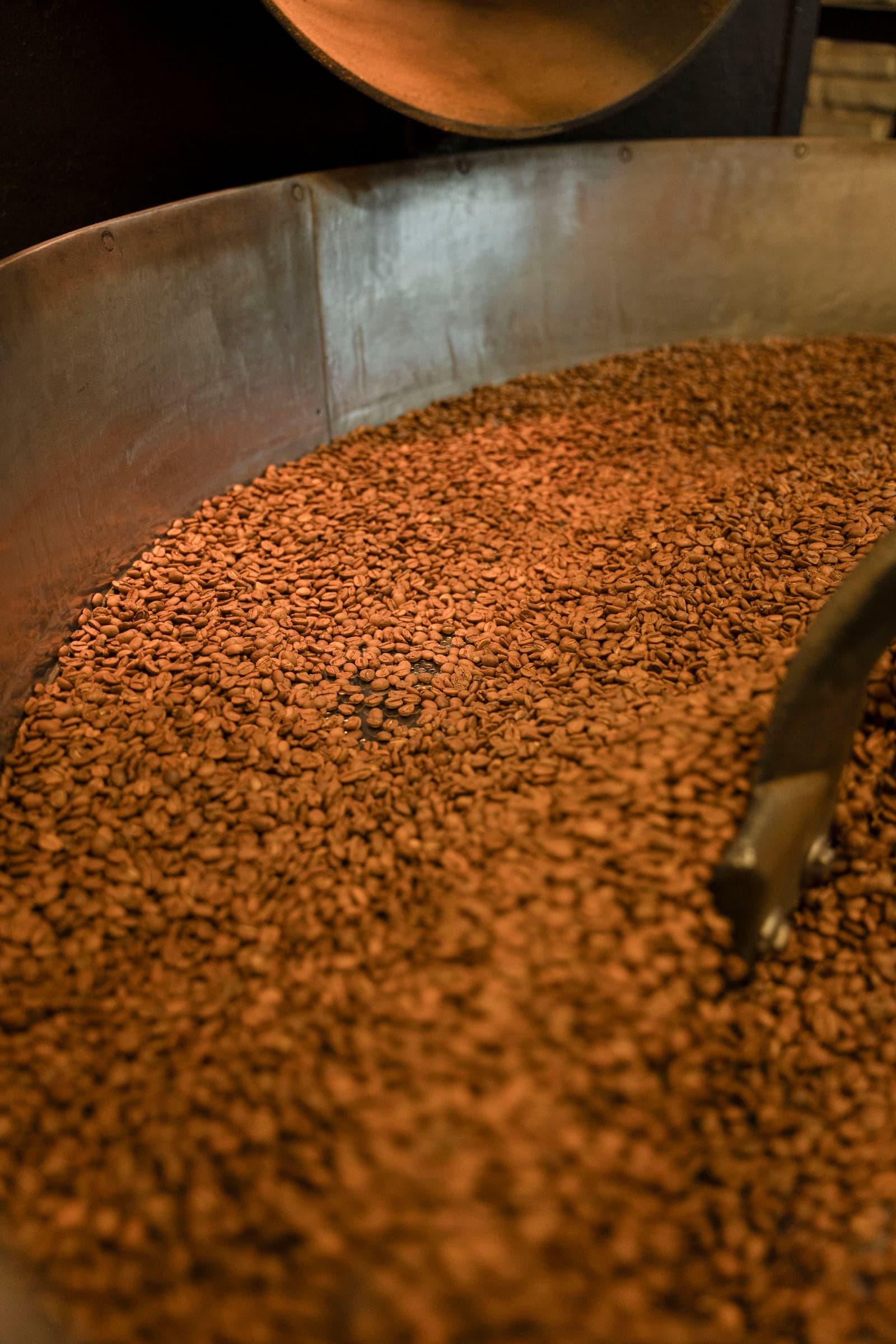
Go Get Em Tiger will roast some of its coffee where it grows, not where it sells it. The Los Angeles company launched Roasted at Origin on September 25, a program that ships less green coffee to California and more finished, roasted coffee out of the countries that grow it.
The first release under the new label is PRISM, landing at all of Go Get Em Tiger's Los Angeles cafés and online on September 29 — National Coffee Day in the United States. It is roasted using a profile the company developed jointly with growers, then shipped as finished coffee rather than green beans bound for an LA roaster.
Why roasting moves closer to the farm
The people closest to the coffee know it best.
Specialty coffee has long run on one assumption: roast close to the customer, because roasted beans degas and lose aroma faster in transit than raw green coffee. Go Get Em Tiger is betting that assumption undersells what happens on the other end of the supply chain.
"Roast date is still important," CEO David Yardley said of the shift. "But it's only one part of freshness." Board member Geoff Watts, a longtime coffee buyer, put the reasoning more bluntly: "The people closest to the coffee know it best."
Moving the roaster to origin also moves a slice of the value that normally accrues to the country where the beans are roasted and sold. Export economics for coffee-growing countries have been under pressure all year, most recently with Vietnam's robusta prices sinking before its new harvest; giving producing regions the roasting step, not just the raw crop, is one way to keep more of a bag's final price at origin.
A target with no outside referee yet
Go Get Em Tiger says it will move 20% of its total roasting to producing countries by the end of 2026 and 70% by the end of 2027. The company frames the goal as broadening what a specialty coffee company can look like, not retiring its Los Angeles roastery.
Those numbers are the company's own, with no third party auditing the rollout yet, and the specific origin countries for the next releases after PRISM have not been named. The comparison to other supply-chain ownership moves, such as Cafe Imports' recent switch to full employee ownership, is instructive: pledges travel faster than audits in specialty coffee.
The real test lands on September 29, when PRISM reaches the counter and customers can taste whether a coffee roasted a continent away still counts as fresh.
Sources
- Sprudge ·
- Daily Coffee News ·
- LAmag ·