Tokyo's SAKE PARK returns with 28 breweries this month
Twenty-eight breweries set up on Shibuya's rooftop park for three days of tastings, yakitori and live music, as Japan's sake exports keep climbing.
Twenty-eight sake breweries take over the rooftop lawn of Shibuya's Miyashita Park from 13 to 15 November, when SAKE PARK Tokyo returns for a seventh edition built around the theme of a bountiful harvest.
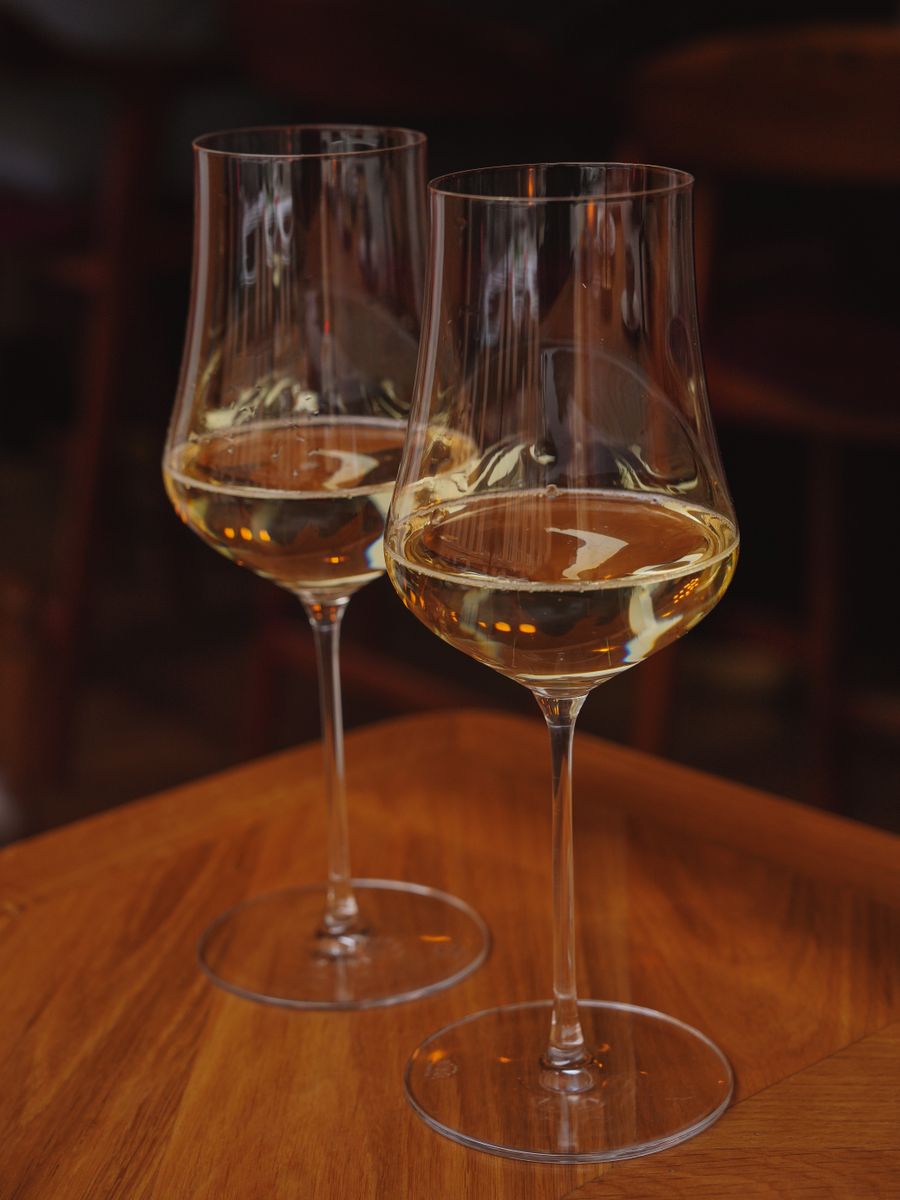
The festival runs three windows: 3pm-7pm Friday, noon-7pm Saturday, noon-6pm Sunday, with ticket exchange closing half an hour before each day ends. Admission is free; the sake is not. Drinks and food are bought with paper tickets worth about ¥300 each, poured into a reusable ceramic masu cup that doubles as a souvenir.
The SAKE PARK executive committee, with developer Mitsui Fudosan as co-host, sells bundles in advance through the crowdfunding platform Makuake: a starter set of one masu and twelve tickets costs ¥3,895, and a group set for four people with 80 tickets runs to ¥22,100. One pour is about 50ml, so a dozen tickets stretches across several breweries before the queue gets long.
Three days, twenty-eight breweries, one rooftop: Tokyo's sake map in miniature.
Craft producers join the established names
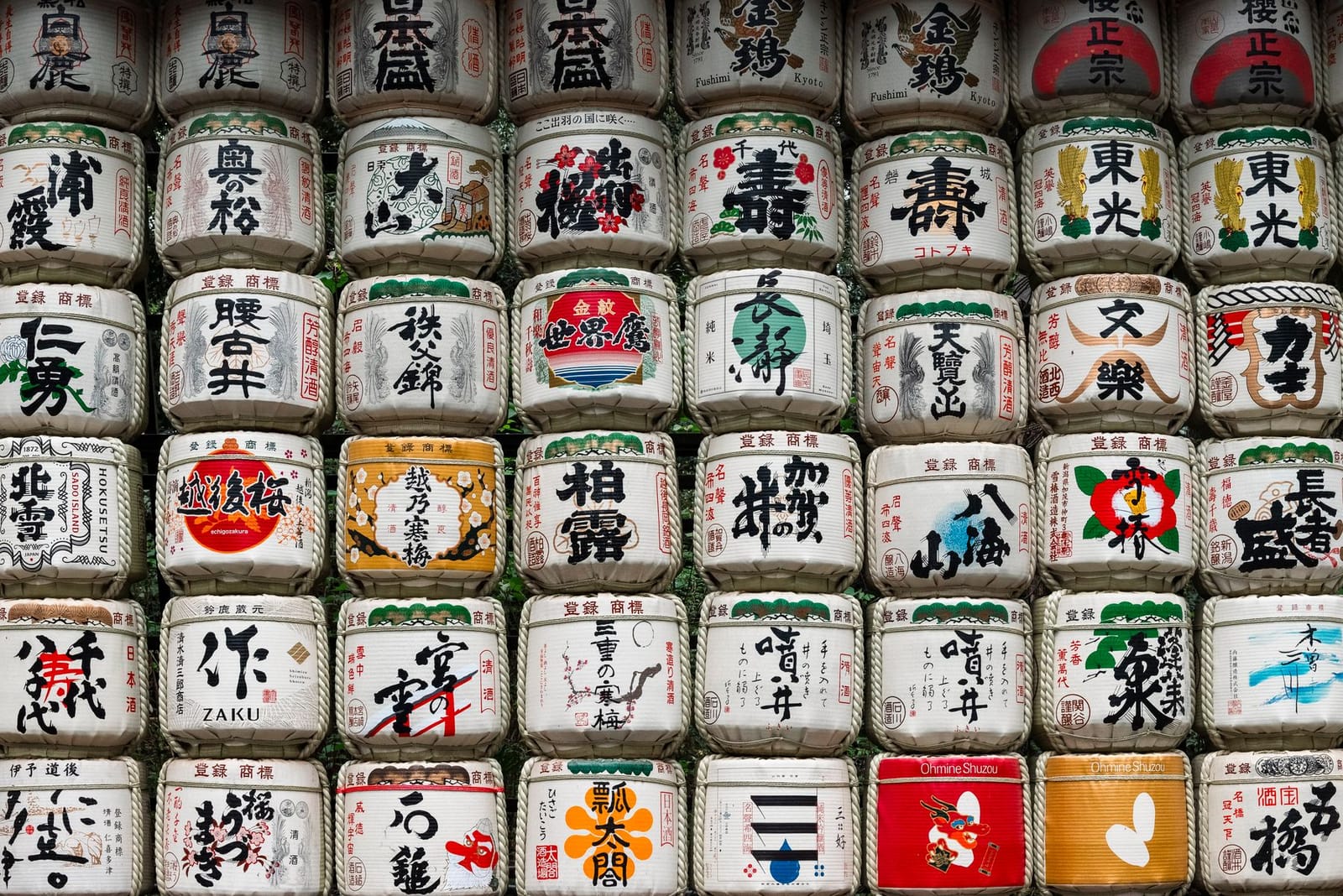
Of the 28 breweries pouring, 25 are established houses spanning Hokkaido to Nagasaki, among them Hachinohe Shuzo's Mutsu Hassen and Miyasaka Jozo's Masumi. The remaining three are craft-sake labels that have widened who drinks sake and how it is sold: Akita's Ine to Agave, Fukushima's haccoba, and Shiga's Happy Taro. Five breweries are exhibiting for the first time, into a season where rising summer heat has been squeezing rice quality for many on the list.
Six food stalls are paired to the tastings rather than left to guesswork: charcoal-grilled yakitori, offal stew with sake-lees karaage, mapo tofu, and a nukazuke-style tofu dish. Live sets run through the weekend, including a small ensemble from the folk revival act Minyo Crusaders, whose music the organisers describe as built for drinking parties and festivals rather than concert halls.
A festival that has grown alongside sake's export numbers
SAKE PARK started small: its first edition in April 2023 drew 13,000 visitors over two days, and by that November's second edition the brewery count had already reached 31. This year's 28 reads as a trim back toward quality tastings over sheer scale, though the figure comes from SAKE PARK's own listings rather than an independent count.
The timing lines up with a strong run for Japanese sake abroad. Exports reached a near-record ¥45.9 billion in 2025, up 6% on the year and spread across 81 markets for the first time, led by China at nearly a third of total value, Ministry of Finance data reported by The Drinks Business shows — the same confidence behind Dassai's plan for a third brewery in Iwakuni. Tickets for the cheaper bundles tend to sell out before doors open, so the queue for a masu starts well before 13 November.