Sake rice quality falls as Japan's summers heat up
Hyogo Prefecture's Yamada Nishiki, the rice behind 40% of Japan's sake, is losing quality as summer heat crosses 27°C during ripening. A heat-tolerant variety spreads slowly.
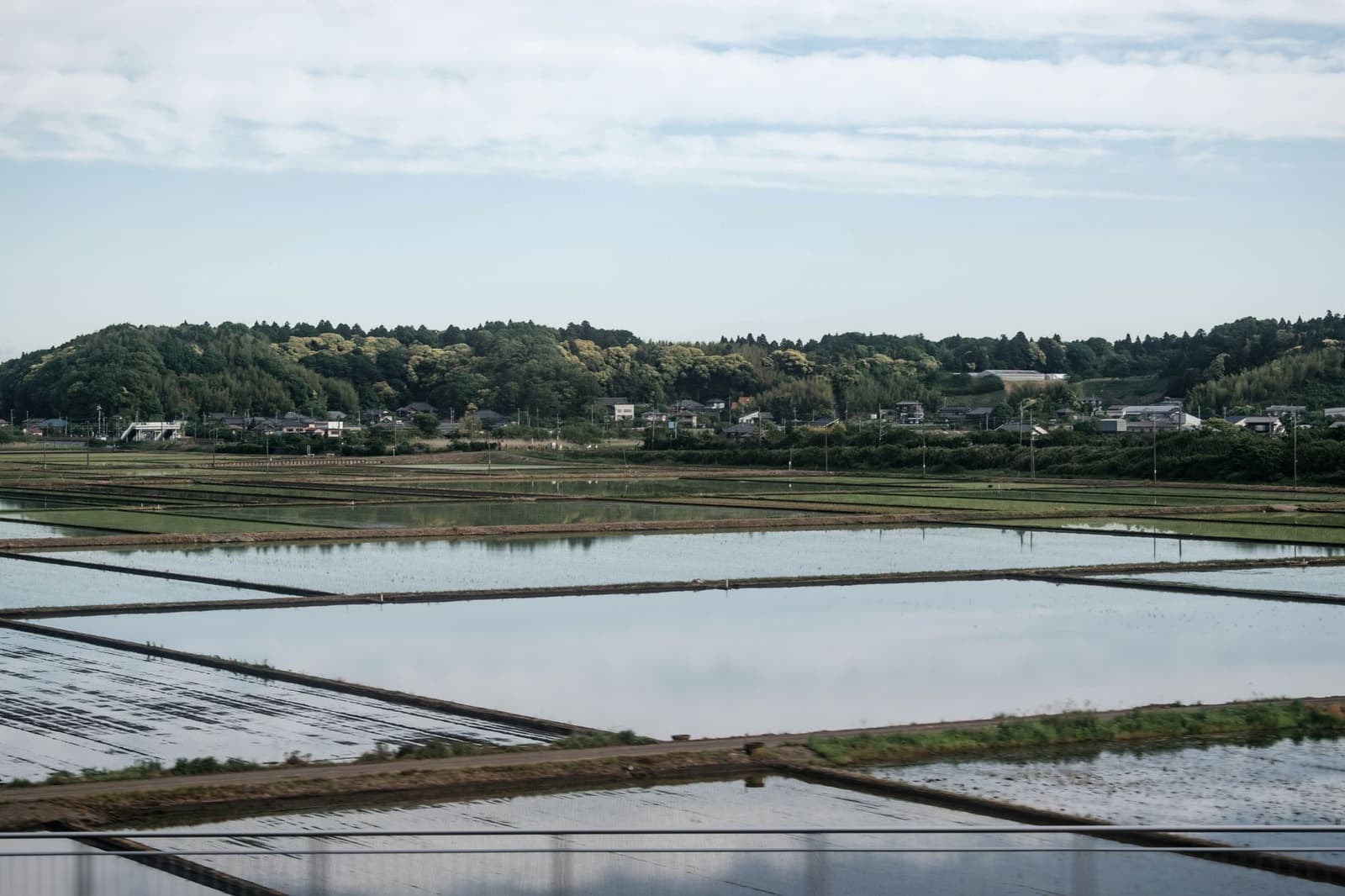
Sake rice quality is slipping across Hyogo Prefecture, Japan, as ripening-season heat pushes past 27 degrees Celsius, the threshold brewers use to judge a harvest.
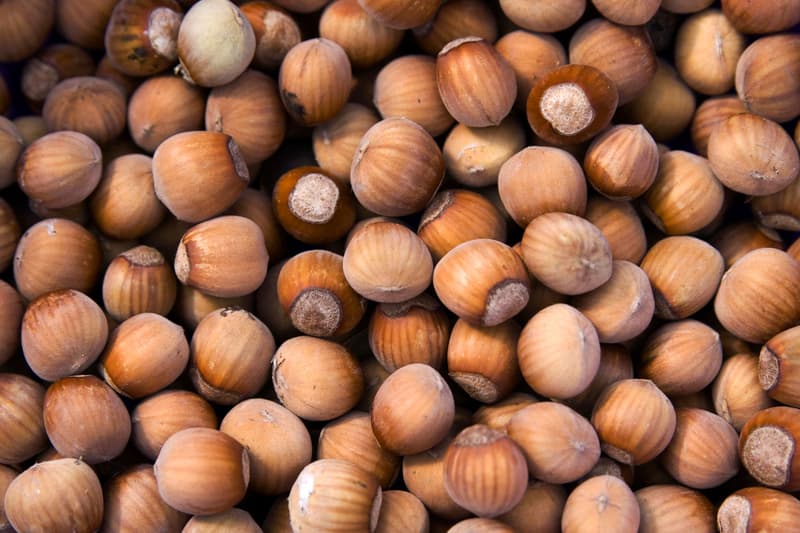
Hyogo produces about 30% of Japan's sake rice. Yamada Nishiki, the variety grown in the region since the 1920s, makes up close to 40% of the country's total sakamai harvest. Brewers call it the king of sake rice. Farmers in the Special A district of Kita Harima, north of Kobe, have grown it under controlled seed programs for generations.
Heat Changes How Sake Rice Ferments
Yamada Nishiki is not disappearing from Hyogo's paddies. It is being asked to share them.
Takumi Sugimoto, director of the Awaji Agricultural Technology Institute, says rice quality drops once the average temperature over the 20 days after flowering exceeds 27 degrees Celsius. Grains fill less fully. The milky-white core inside each grain, called shinpaku, shrinks instead of growing dense and round.
Heat also lengthens the amylopectin chains inside the starch. Longer chains resist the koji mould enzymes that turn starch into sugar during fermentation. Less sugar means less alcohol from the same kilogram of sake rice, and more solid residue left in the press after brewing.
Yoichiro Yamana, 12th-generation owner of Yamana Shuzo, a brewery in Tamba founded three centuries ago, says the shift is now routine rather than exceptional. "The biggest challenge is that the rice quality has changed," he says.
A Breeding Answer to Warmer Summers
Hyogo's prefectural technology centre began breeding a heat-tolerant alternative in 1986, crossing Yamada Nishiki with a Korean variety chosen for its short stalk and disease resistance. The new rice, Hyogo Sake 85, received its official name in 2017. Yamana Shuzo was one of three breweries that released the first commercial sake made from it, in 2018.
HS85 loses far fewer grains to heat damage than Yamada Nishiki or Gohyakumangoku, another widely grown variety, while matching their yields. It resists a fungal disease common in wet summers, and its shorter stalks stand up better to wind. Yamana says HS85 ferments faster and produces a richer, fresher-finishing sake, which forces brewers to control tank temperatures more closely.
Adoption remains marginal. As of July 2025, HS85 covered 17 hectares nationwide, against 4,697 hectares of Yamada Nishiki in Hyogo alone. Japan's rice prices have fallen for six straight weeks this year, but that market tracks table rice, not the specialty sakamai grown for brewing.
Hyogo's technology centre also runs a planting-date calculator, built after the 2010 heatwave, and keeps a high-temperature greenhouse at 28 to 29 degrees Celsius to test future rice lines. Similar heat pressure is already reshaping harvests elsewhere: Australia's stone fruit season shrank this year after its warmest winter on record. Yamada Nishiki is not disappearing from Hyogo's paddies. It is being asked to share them.
Sources
- The Japan Times — As temperatures rise, Japan's sake rice is feeling the heat ·
- Climate Change Adaptation Information Platform (A-PLAT, Japan) — Two actions by Hyogo to protect paddy rice from high temperatures ·
- Ministry of Agriculture, Forestry and Fisheries, Kinki Regional Bureau — High-temperature countermeasures for Yamada Nishiki sake rice ·