Japan rice prices fall for a sixth week to ¥2,934
The average 5 kg supermarket bag lost another ¥37 and now sits a third below January's peak, as new farm minister Kazuo Yana puts appropriate prices for growers first.
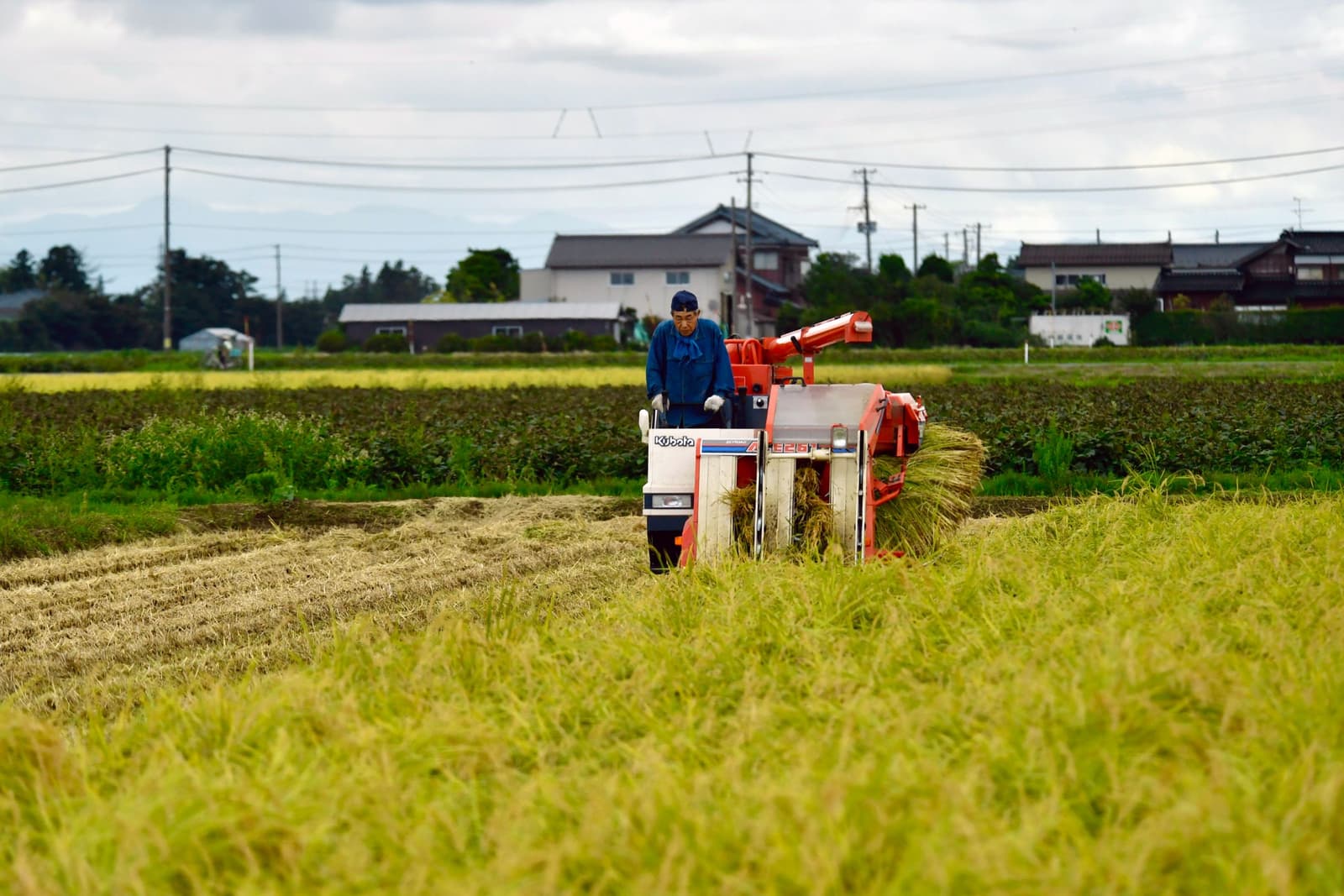
Japan rice prices fell for a sixth straight week, the farm ministry said on 25 September: a 5-kilogram bag averaged ¥2,934 at about 1,000 supermarkets in the week to 20 September, ¥37 less than the week before and the second week in a row below ¥3,000.
Branded rice averaged ¥2,966, down ¥22, while blends and private-label bags fell ¥83 to ¥2,783, according to the ministry figures reported by Kyodo. The cheaper end of the shelf is moving fastest, which is what happens when supply stops being the problem.
The contrast with the start of the year is sharp. In January the same bag averaged ¥4,416, the peak of a shortage that began in the summer of 2024 and turned the national staple into a political issue. For the rice behind every set meal and onigiri counter in our guide to what to eat in Tokyo, the shelf price is now roughly a third lower than in January.
Cheaper rice helps every set-meal counter in Japan; the farmer who grows it is the one paying.
Why Japan rice prices keep falling
The government released 590,000 tonnes from its emergency stockpile in 2025 to cool the market, and farmers planted more. The effect now runs the other way. Rice from the 2025 crop sold to wholesalers in August averaged ¥31,556 per 60 kilograms of unmilled grain, ¥930 less than in July, according to ministry data.
The reserve, meanwhile, is down to about 320,000 tonnes against a target of roughly one million. On 1 September the farm ministry announced it would buy back 210,000 tonnes of the released rice, the first buyback of its kind since the current stockpiling system began in fiscal 2011.
A new minister talks about appropriate prices
Kazuo Yana, who became agriculture minister in the 17 September cabinet reshuffle, told Jiji Press that his priority is appropriate prices for farm products. "Establishing appropriate prices and creating conditions that enable farmers to continue production and make reinvestments is an urgent task," he said, adding that high private-sector inventories are weighing on rice.
He did not say when further buybacks would come: the ministry will decide "after assessing the harvest outlook and supply and demand conditions". He has also asked officials to examine how advance payments to farmers for the new crop were negotiated, after they fell below an indicator of production costs.
For restaurants and set-meal chains, rice is one of the few costs going down, even as they sit on the wrong side of Japan's food tax cut, which leaves restaurants facing a nine-point gap. For farmers the arithmetic runs in reverse. The ministry's next weekly figure is due next Friday; the buyback decision will show how far Tokyo is willing to let the price slide.
Sources
- Chunichi Shimbun (Kyodo) — コメ店頭5キロ平均2934円 2週連続で2千円台 ·
- The Japan Times (Jiji) — Appropriate prices top focus for new agriculture minister ·
- Nippon.com (Jiji) — Japan Rice Price Falls below 3,000 Yen for 1st Time in 2 Yrs ·
- Free Malaysia Today — Japan govt unveils plan to buy back 210,000 tonnes of rice ·