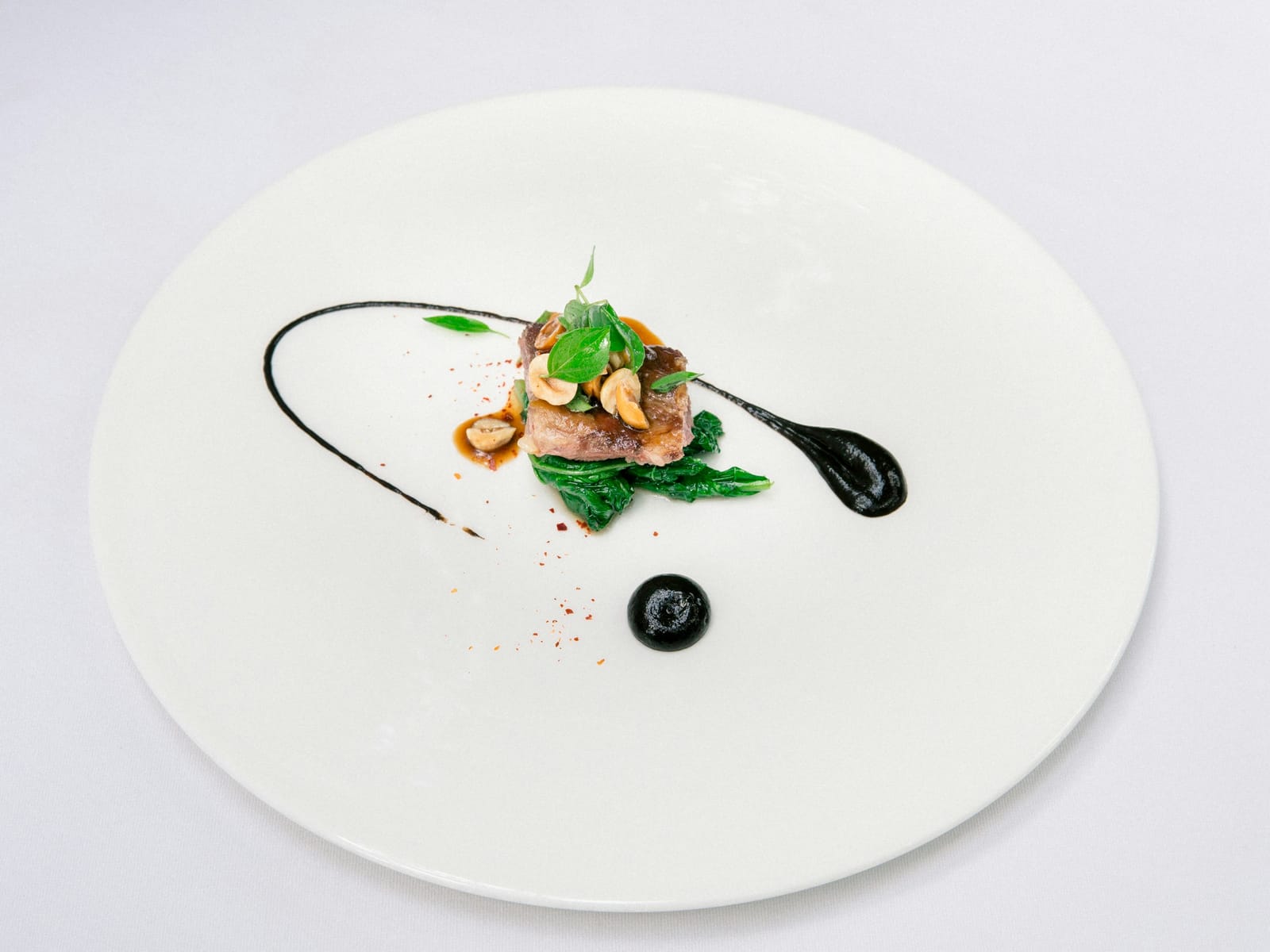
Dutch restaurants struggle to train front-of-house staff
Kitchens have a recognised career ladder. The dining room mostly does not, and Dutch hospitality is starting to feel the cost in turnover and service.
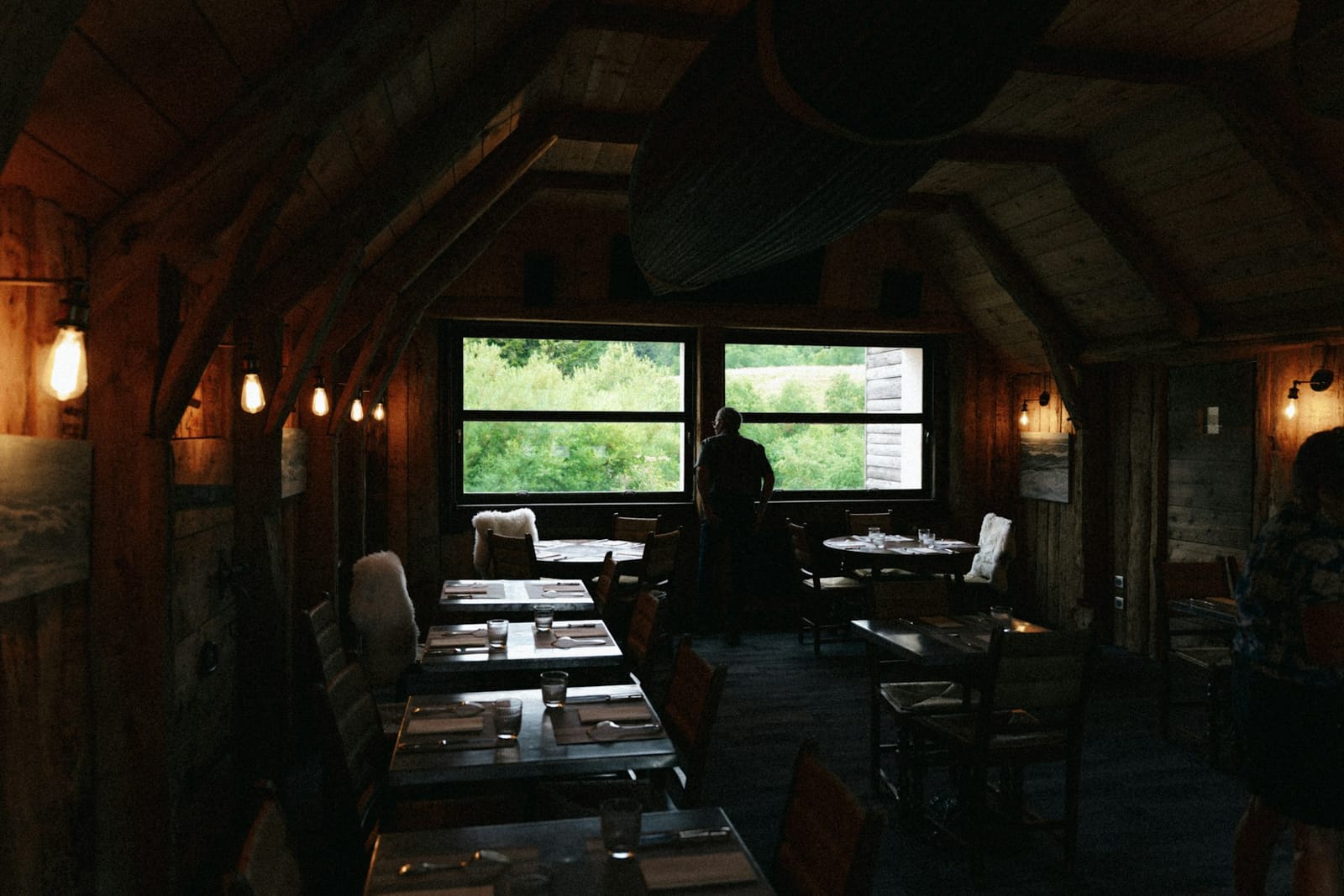
Front-of-house training lags far behind the kitchen in Dutch hospitality, and operators are starting to pay for the gap in service quality and staff turnover.
Every serious kitchen has a recognised ladder: commis, chef de partie, sous chef, head chef. The dining room mostly does not. Enrolment in formal service training has stagnated for years even as cook and management courses grew, according to figures compiled by trade body KHN with sector institute SVH.
The shortage shows up in the numbers. Vocational-level enrolment in hospitality courses fell 15% between 2020 and 2024, ABN AMRO reported, while quarterly staff turnover in the sector runs at roughly 35% of all jobs. In the IJmond region alone, employers reported more than 600 open vacancies in 2025, most of them for service roles.
Enrolment in formal service training has stagnated for years, even as cook and management courses grew.
A ladder that nobody built
Restaurants that keep a dining room together tend to invent progression themselves, promoting staff into informal supervisory roles rather than relying on a recognised qualification path. A wider floor-staff shortage, estimated at 22,000 vacancies nationally, makes that harder: there are fewer candidates to train in the first place, and less time to do it once they arrive.
Retention compounds the problem. Only around 55% of service-course graduates were still working in hospitality a year after finishing their training, and just 38% after six years, according to the SVH research, a steeper drop-off than kitchen staff see over the same period.
Smaller rooms, better odds
Some operators have responded by shrinking the dining room rather than diluting it, running fewer covers with a smaller, better-trained team instead of stretching new hires across a full floor. The logic is simple: a guest notices when service reads a table correctly, even if they cannot say why, and that skill takes years rather than a single induction shift.
The pressure is not only financial. Two-thirds of hospitality managers already cite work itself as a source of strain, and an undertrained floor, asked to cover for colleagues who leave within a year, adds to that load rather than easing it.