Egypt's strawberry acreage shrinks 40% for new season
A fungus outbreak and last year's price crash are pushing growers in Egypt's Nile Delta to plant far less fruit ahead of the 2026/27 export season.
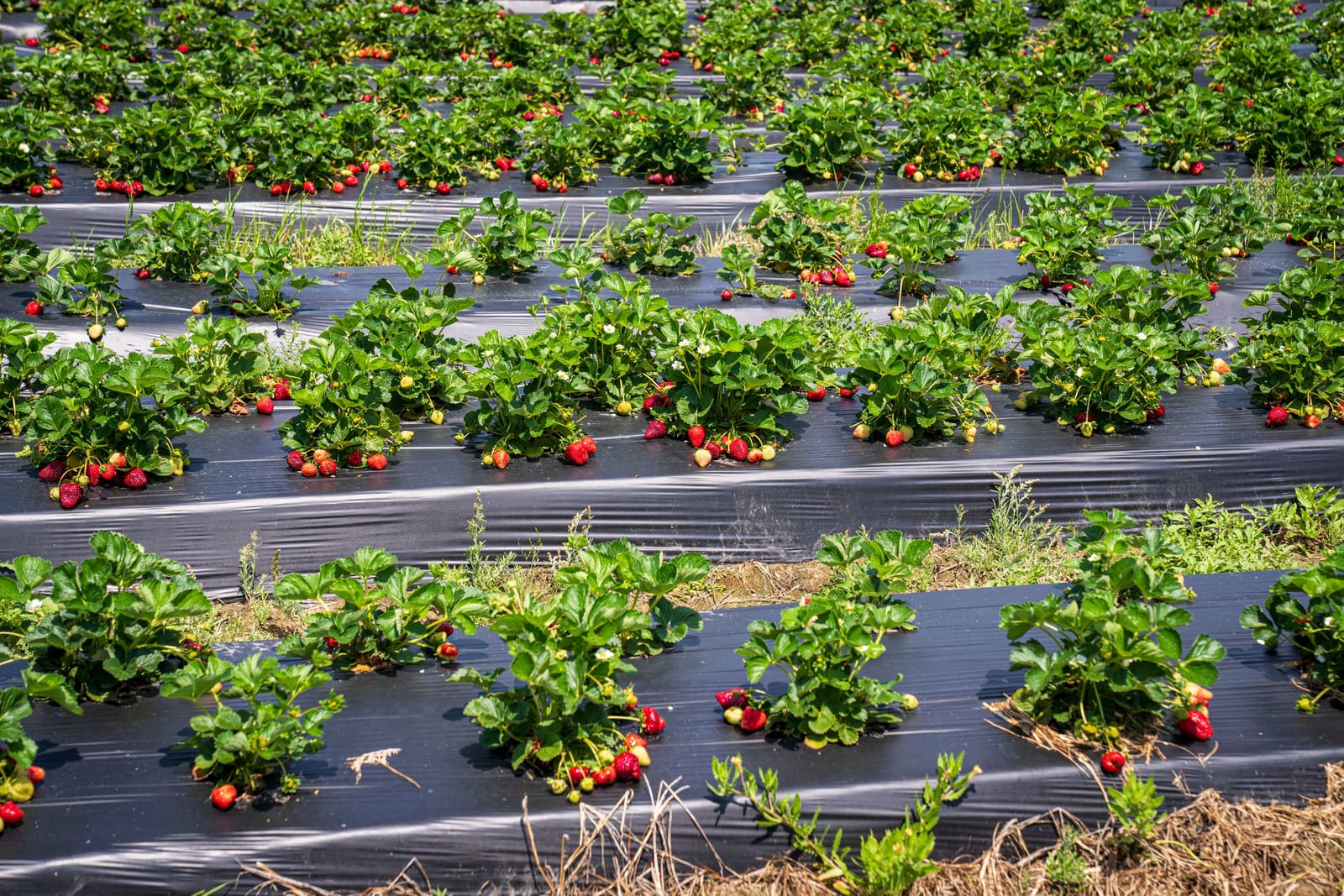
Egypt's strawberry acreage is shrinking by as much as 40% for the 2026/27 season, as growers in the Nile Delta retreat from a crop that collapsed in price last year and now faces a resistant fungus.
El Sayed El Gohary, who heads Marvel Farm in the Delta, calls the 40% figure a conservative estimate shared widely across the sector. Many growers who rushed into strawberries during last season's boom have since left, discouraged by the price crash and rising costs that followed it. It mirrors what is happening to Greek olive oil, another Mediterranean product hit this season by oversupply and prices below the cost of production.
Egypt's acreage cut meets a resistant fungus
A tighter harvest is the clearest route back towards break-even.
Even on land still planted, yields are down. Neopestalotiopsis, a fungus that has circulated in Egyptian strawberry fields for several seasons, has hit harder this year and forced some growers to replant. El Gohary says the authorised treatments only partly work, and the fungus is showing signs of resistance.
Fortuna, Sensation and Festival remain the three varieties planted most widely. El Gohary is trialling 14 others on his own farm in search of sturdier stock, but none has displaced the established trio yet.
Ihab Mansour, chief executive of exporter Fresh Box, reported a similar pullback in September, estimating that Egypt's planted acreage nationwide could fall by up to 30%. He points to a different pressure: unusually long domestic strawberry seasons in several European growing countries last spring, which left Egyptian fruit fighting for shelf space just as it arrived.
Export routes face new friction
Fresh-market harvest is due to start in mid-November, with volumes building to a peak in late February or early March that El Gohary expects to fall short of last season's. The UK remains the single most important fresh market for both growers, ahead of the Netherlands and Germany. For more on Egypt's wider food calendar, our guide to what to eat in Cairo covers other seasonal produce.
El Gohary says regional tensions are complicating shipping routes, and he is hoping deliveries to the Gulf, which travel by road rather than air, hold steady. Mansour's company has leaned into the lower-risk frozen segment instead, opening a new IQF plant and reporting early interest from buyers in China.
Fresh-market growers are expected to feel the reduced acreage hardest, since export-grade fruit demands far more careful handling than fruit destined for freezing.
Both growers frame the cut as a correction rather than a crisis. After a season in which oversupply pushed prices below the cost of production for many, a tighter harvest is the clearest route back towards break-even — if October's remaining rains and Europe's own late crops don't get in the way.