Philippine inflation hits 7.2% as rice and vegetables surge
Consumer prices rose 7.2% in September, the fastest since March 2023. Rice is up 20.3% on the year, and the Department of Agriculture has earmarked 45 billion pesos for El Niño.
Philippine inflation rose to 7.2% in September from 6.1% in August, the Philippine Statistics Authority (PSA) reported on 6 October, with food as the main driver. Rice cost 20.3% more than a year earlier and vegetables swung from a fall to a 10.7% rise.
The rate matches April's and is the highest since March 2023, when it reached 7.6%, national statistician Claire Dennis Mapa said, according to Philstar. It ends four months of easing. The average for January to September stands at 5.4%, above the government's target of 2% to 4%, Rappler reported.
What drove Philippine inflation in September
When rice rises by a fifth in a year, every other line on the bill becomes a footnote.
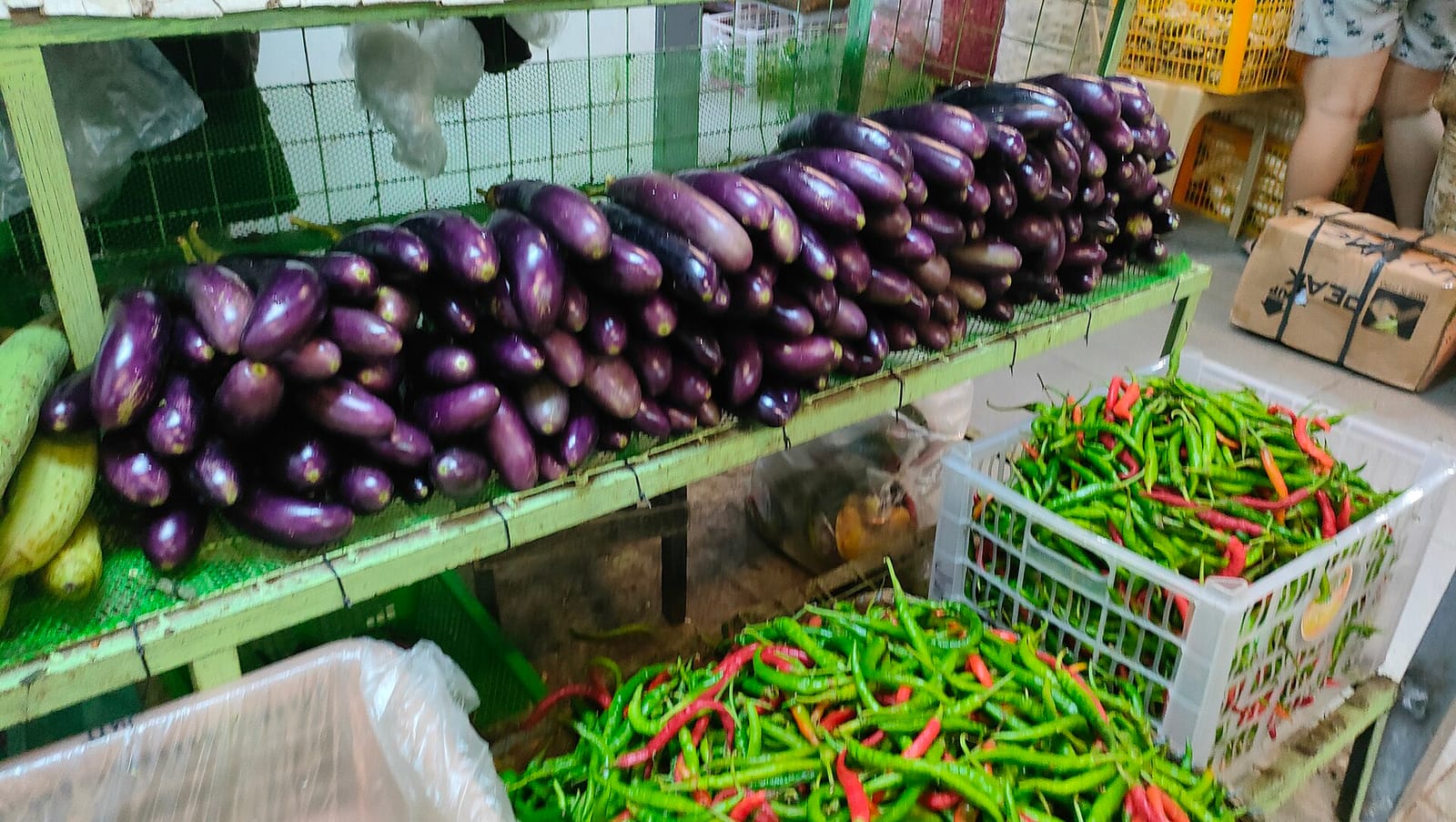
Food and non-alcoholic beverages rose 6.7%, against 4.6% in August. The Department of Agriculture (DA), citing PSA data, puts food alone at 6.8%, compared with 0.8% a year earlier. Rice went from 19.4% to 20.3%. Vegetables, tubers, plantains, cooking bananas and pulses rose 10.7% after a 3.4% decline in August. Fish and seafood moved from 6.6% to 7.4%, by the DA's account.
Cereals, rice included, account for 64.5% of food inflation, or 4.4 percentage points, the DA said; fish and seafood add 1.3 points and vegetables 1 point. The department blames weather-related supply disruptions and higher logistics costs, made worse by rising oil prices. Transport inflation reached 14.6%, from 13.5%. For anyone buying for a kitchen, the lines that moved are the staples.
The local squeeze sits on top of a global one: in September the FAO Food Price Index reached its highest level since November 2022. In the Philippines, rice imports had already shifted towards broken grains.
What the Department of Agriculture is doing
In a statement on 6 October, Agriculture Secretary Francisco P. Tiu Laurel Jr. said the government is setting aside 45 billion pesos for its El Niño response, of which 6.2 billion has been released. Measures to stabilise supply and prices, importation included when necessary, are being applied alongside aid for farmers, fisherfolk and agricultural truckers. The statement announces no new price caps and no tariff changes.
The weather agency PAGASA projects a Super El Niño from later this year through the first half of 2027, with the worst of the dry spell for farming, fisheries and livestock expected from November to April, the DA said.
Food businesses were already selling into a cautious market. A US Department of Agriculture report from Manila, cited by Philstar, expects Philippine food and beverage retail sales to grow 1.6% this year, to 123 billion dollars, and describes shoppers as price-sensitive and focused on essentials. Food and non-alcoholic beverages take 36% of household consumption, the report says.
The Bangko Sentral ng Pilipinas raised its policy rate to 5% in August, its third 25-basis-point increase in a row. With Philippine inflation back at its April level, its next rate decision is due in October.