UK foodservice price inflation rises 0.4% as meat climbs
Pork, lamb, cheese and vegetable oil pushed hospitality's ingredient bill up again in August, while cheaper British vegetables and fruit kept the rise far below June's spike.
UK foodservice price inflation picked up again in August: the food and drink prices paid by hospitality rose 0.4% month on month, according to the Foodservice Price Index compiled by Prestige Purchasing and NIQ. Meat, dairy and oils drove the increase; vegetables and fruit held it back.
The reading, published on 24 September, follows a 0.2% rise in July and a 1.8% jump in June. The index tracks what pubs, restaurants and caterers pay for ingredients, not what diners pay on the menu, and this month it pulls in two directions: the pressure comes from global commodity markets, the relief from British fields and orchards.
Meat and dairy push foodservice price inflation up
The pressure comes from global commodity markets; the relief grows in British fields and orchards.
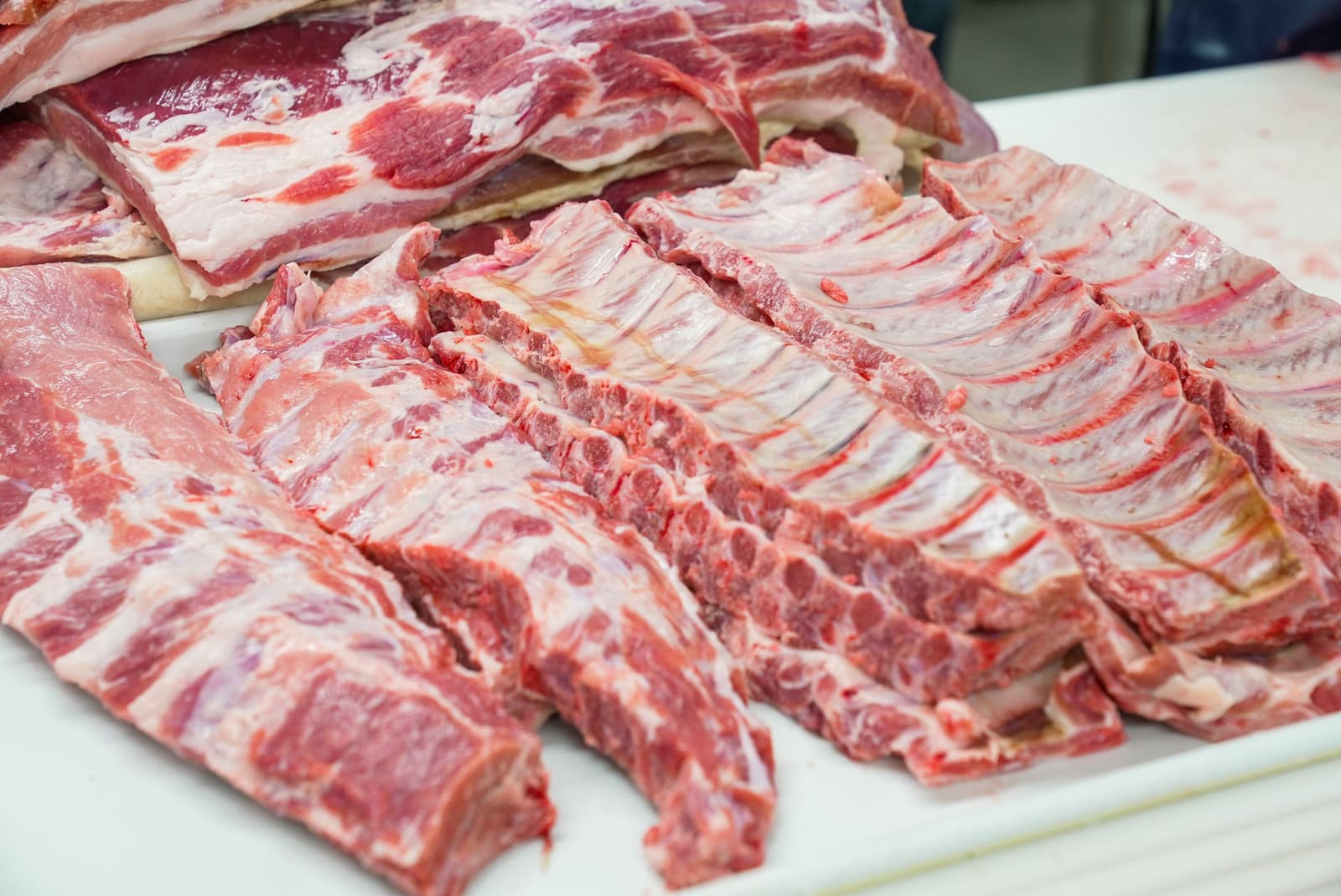
Meat and poultry returned to inflation after a July in which international meat markets had weakened for the first time this year. Strong global demand and constrained supply, particularly of pork and lamb, lifted prices, on top of high feed and operating costs.
Milk, cheese and eggs posted their largest monthly increase in several months, after hot, dry weather tightened raw milk availability in Europe and pushed up cheese and milk powder prices. Oils and fats climbed as global vegetable oil markets reached their highest level since 2022, on demand for palm and soybean oil and concern about El Niño. Sugar, jam, syrups and chocolate were also among the high-inflation categories, after bad weather in Europe and Asia and a smaller crop in Brazil.
British vegetables and fruit hold the index down
The counterweight came from fresh produce. Vegetable prices fell on favourable domestic supply, and fruit inflation eased thanks to UK-grown soft fruit, stone fruit and early apples. Prestige Purchasing warns that prolonged dry weather in the UK and Europe threatens future yields of several field-grown crops.
"We are seeing strong domestic supply in fresh produce actively balancing out the more volatile global commodity markets like sugar and dairy," said Shaun Allen, chief executive of Prestige Purchasing, who called the 0.4% rise a relatively minor fluctuation and a sign of temporary calm.
Reuben Pullan, senior insight consultant at NIQ, read the same number less kindly. "The monthly uptick in foodservice price inflation is an unwelcome development as hospitality moves towards the crucial quarter of the year," he said, adding that operators will be looking for targeted support in the government's October Budget and that the hot summer may limit the respite on produce.
The index fits a longer warning: the grocery analysts at IGD have already said that UK food inflation could nearly double by 2027. For kitchens pricing Christmas menus now, the cheaper British vegetables of August come with a dry-weather caveat; the pork, cheese and cooking oil lines come with none.