Nixtamalized corn tortillas, the technique behind masa
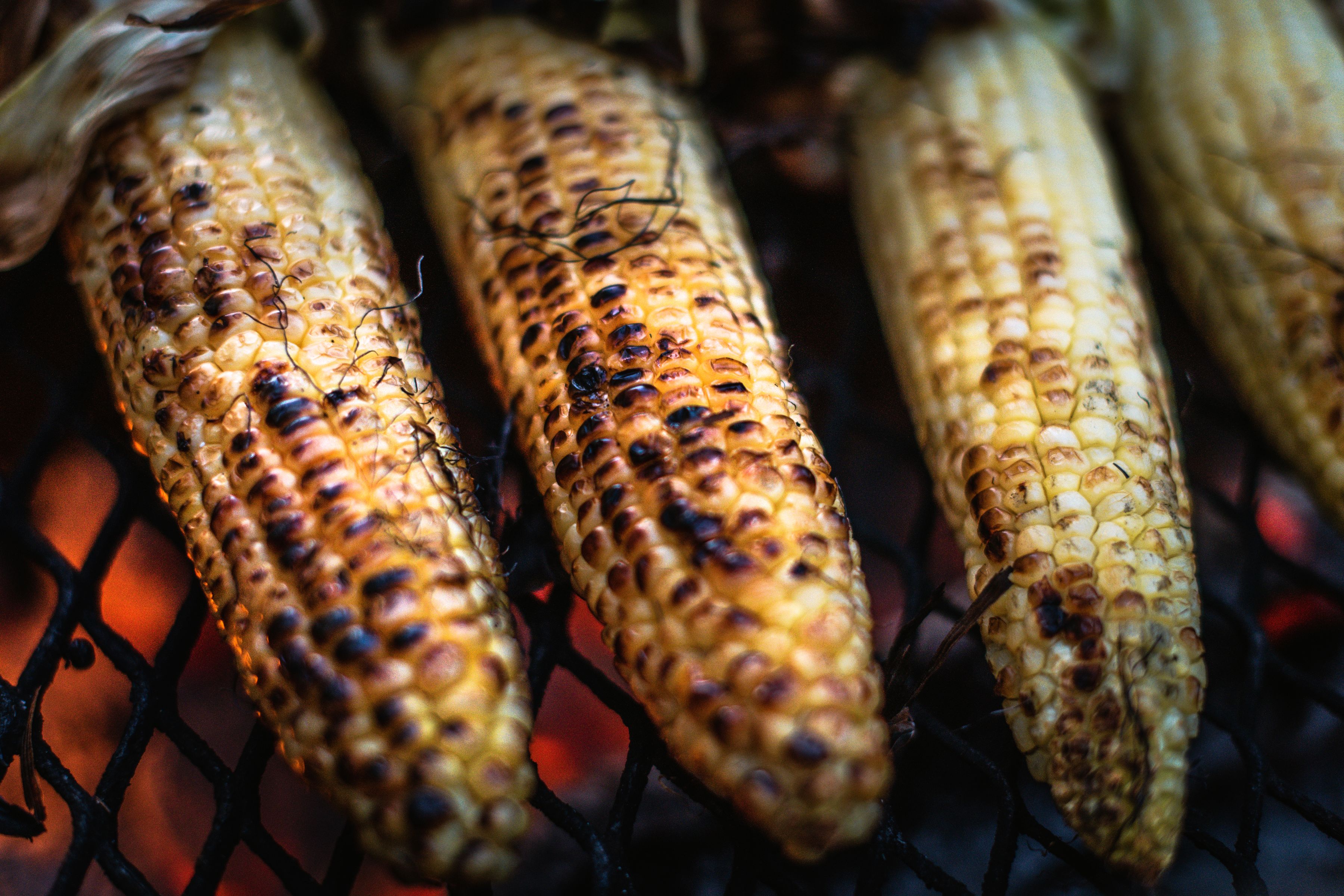
Dried corn, limewater and patience are all it takes to make real masa at home, the same process behind Denver's newly starred Milpero.
Nixtamalization turns plain dried corn into masa, the dough behind every good tortilla, and it is simpler to do at home than most cooks assume.
The technique dates back thousands of years in Mesoamerica and is having a moment again this month, after Denver's Milpero won a Michelin star cooking almost entirely from corn its kitchen nixtamalizes itself. This version uses dried field corn and pickling lime, the same two ingredients that recipe has always needed, scaled for a home stove.
Ingredients
Two ingredients, one overnight soak, and corn stops being corn and starts being masa.
- 500 g dried field corn (not sweetcorn)
- 10 g food-grade calcium hydroxide (cal / pickling lime)
- 2 litres water, plus extra for rinsing
- A pinch of fine salt
Method
- Bring the water to a boil in a large, non-reactive pot, then stir in the calcium hydroxide until dissolved. The alkaline solution is what loosens the corn's tough outer skin and unlocks niacin the grain otherwise keeps bound up.
- Add the dried corn, return to a bare simmer, and cook for 45 minutes, stirring occasionally so the kernels colour evenly to a deep yellow. Corn cooked too briefly stays gritty once ground; corn cooked too long turns the dough gummy.
- Take the pot off the heat and let the corn steep in the same liquid, called nejayote, for at least 8 hours or overnight. This resting time finishes softening the pericarp without further cooking the starch.
- Drain the corn and rub the kernels vigorously under running water until the loosened skins wash away. Skins left behind make for a coarser, less pliable tortilla.
- Grind the wet corn, now called nixtamal, in a molcajete, stone mill or food processor fitted with a dough blade, adding water a spoonful at a time until the mixture holds together like soft modelling clay. This is masa.
- Season the masa with salt, then divide into 12 balls of about 40 g each. Press each ball between two sheets of plastic in a tortilla press, or roll it thin with a rolling pin.
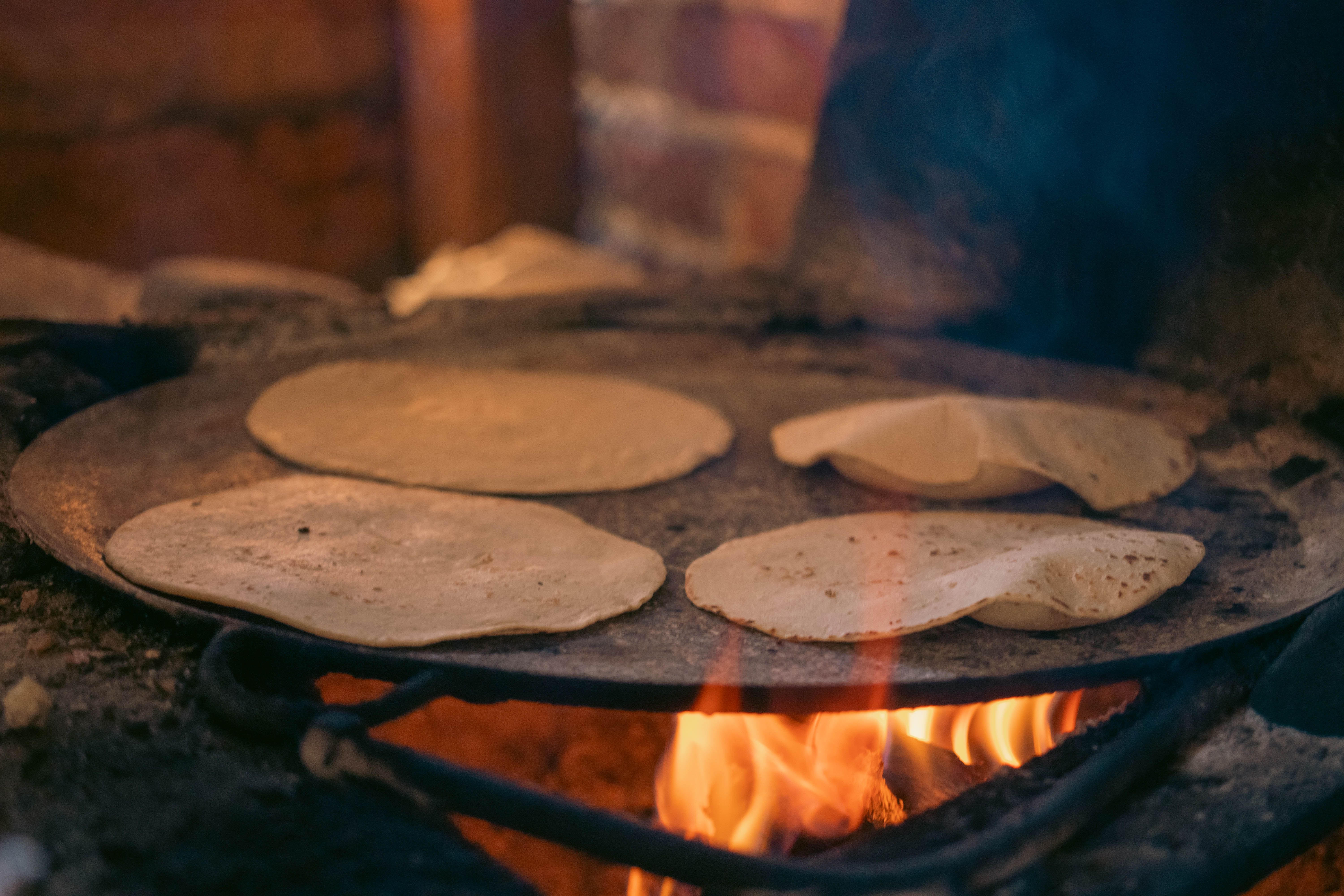
- Cook each tortilla on a dry, very hot comal or heavy skillet for about 45 seconds a side, until it puffs slightly and picks up light brown spots. The puff is steam escaping the dough; it is the clearest sign the tortilla is ready to flip.
Keep them soft, or take it further
Stack cooked tortillas inside a clean kitchen towel as they come off the heat; the trapped steam keeps them pliable for hours rather than letting them dry out and crack.
Once the technique feels familiar, try Milpero's raspada method: cook a tortilla on one side only, then scrape the raw top with the edge of a spoon or a metate stone until it turns thin and cracker-crisp, a texture no shop-bought tortilla can match.
Sources
- Dining Out · 2026-08-01
- The Colorado Sun · 2026-09-14