Star Seafood closes sixth Hong Kong branch in two years
Star Palace's Fanling site has shut, the latest in a run of Hong Kong restaurant closures this year, as rents, labour costs and cheaper meals across the border in Shenzhen squeeze Cantonese dining halls.
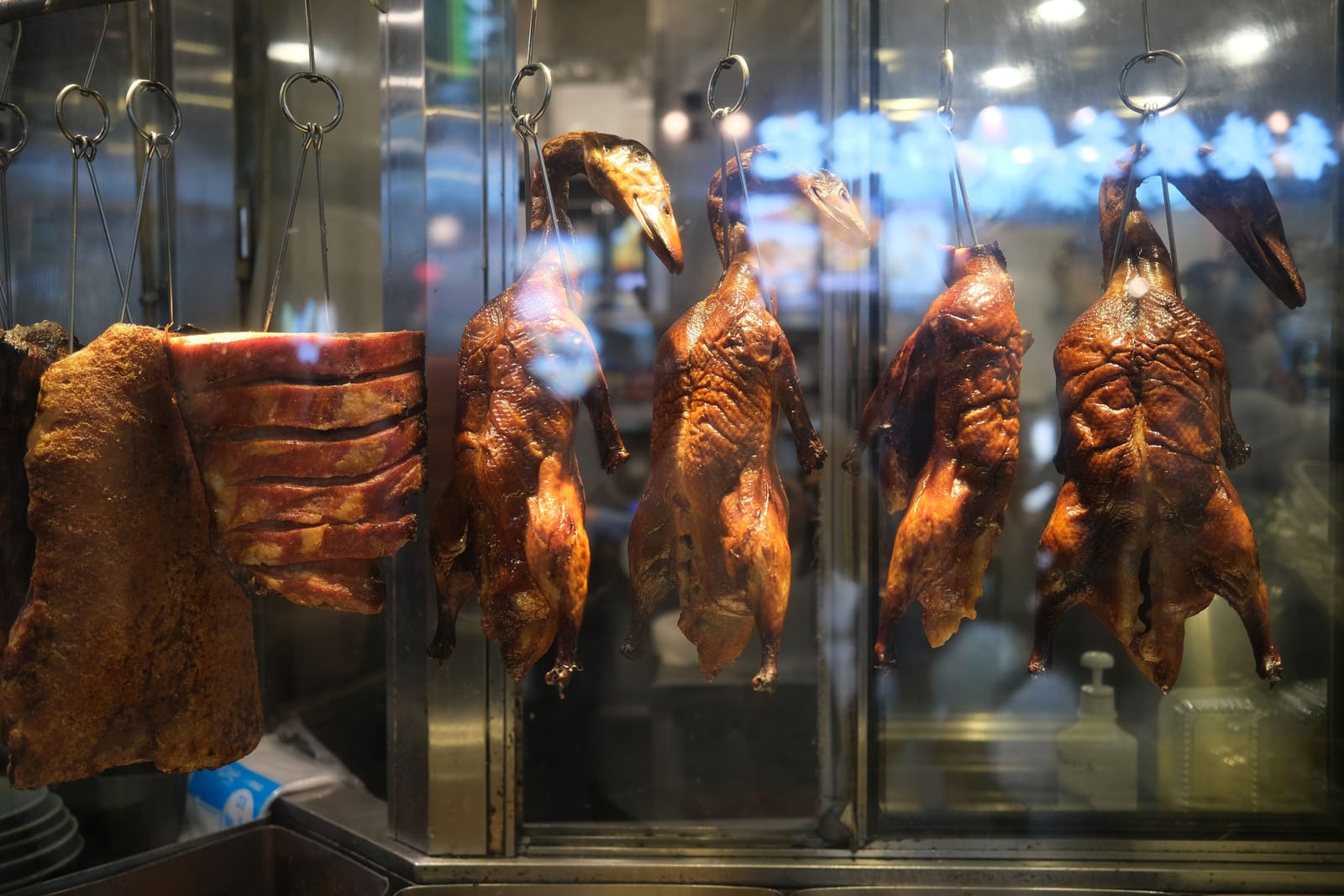
Star Palace's Fanling branch served its last table on 16 October, the sixth site run by the Star Seafood Restaurant Group to shut in two years, as Hong Kong restaurant closures pile up through 2026.
The branch, inside the Cheung Wah Estate arcade, needed high footfall to cover its rent and staff costs. Landlords have held rents steady even as diners thin out, a pattern now familiar across the city's large Cantonese dining rooms.
The group has lost ground steadily this year. Branches in Wong Tai Sin, Tuen Mun, San Po Kong and Kwun Tong all closed earlier in 2026, according to Vision Times, which cited Sing Tao Daily. By April only two of its original six branches were still trading; reports on the Fanling closure put the current count at seven to nine, a gap that shows how fast sites are opening and closing.
Banquet-era dining rooms built for volume have nowhere to hide once the tables empty.
Star Seafood is not the only chain caught in this year's wave of Hong Kong restaurant closures. Sing Tao Daily counted at least 14 Cantonese-style restaurants shutting in the first four months of 2026 alone. House of Canton in Taikoo Shing closed in late February after more than 40 years; Longbao in Kwai Fong closed after 60 years, its owners citing a failed rent-reduction negotiation and falling local spending. Jade Garden and Palace Restaurant both closed when their leases ran out, while Hong Kong's best tables keep filling up elsewhere.
Weekend trips north add further pressure. Residents increasingly cross into Shenzhen for cheaper meals, pulling custom from tea houses built around long seatings and fixed overheads. Local commentators also point to the restaurants themselves: ageing menus and little renovation have pushed younger diners toward cha chaan tengs and cafes, the kind covered in our guide to what to eat in Hong Kong.
A format built for high volume
Large-format Cantonese restaurants were built for an earlier Hong Kong, when big wedding parties and multi-generation gatherings filled every table. That volume has not returned to pre-pandemic levels, leaving operators with rents calculated for a model that no longer clears.
Government redevelopment adds another layer. Sun Lung Shing Teahouse in Ngau Chi Wan, open for nearly 67 years, closed at the end of April to make way for urban renewal, a reminder that even full dining rooms can lose their lease to planning decisions rather than market ones.
Hong Kong restaurant closures show no sign of slowing
None of this points to a single fix. Rents have not fallen to match footfall, and a labour-intensive format leaves little room to absorb a bad quarter. For now, the Star Seafood Restaurant Group and its Cantonese peers are shedding branches one lease at a time, with no indication the pace will ease before the year is out.
Sources
- Meyka ·
- Vision Times ·