What to eat in New Orleans: 10 dishes and where to find them
Gumbo, po'boys, étouffée and a muffuletta built by Sicilian grocers: a dish-by-dish guide to eating through New Orleans, with the rooms that still make it right.
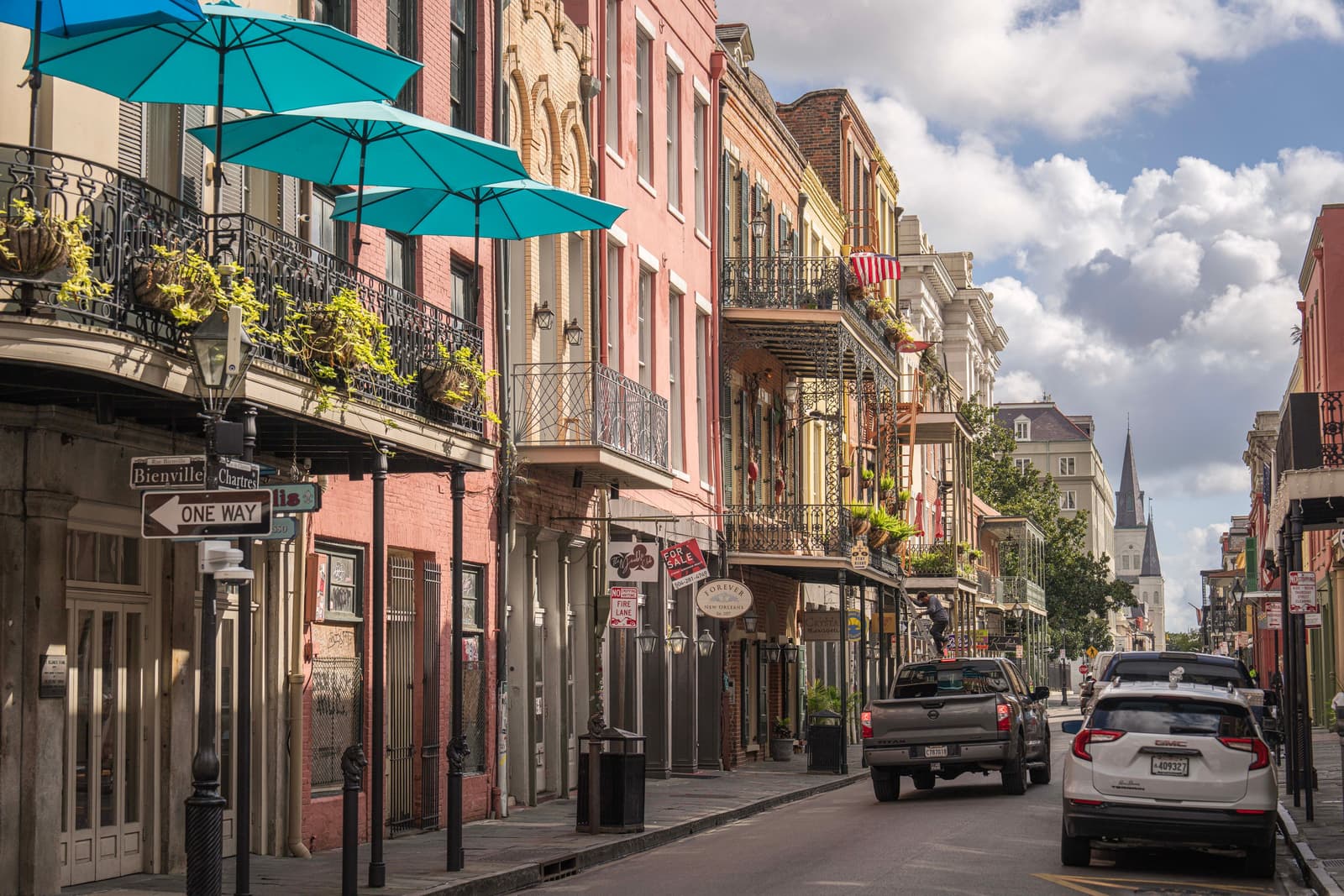
What to eat in New Orleans starts with Creole and Cajun cooking built on rice, the trinity of celery, onion and bell pepper, and whatever the Gulf brings in that morning. Do not leave without a bowl of gumbo and a po'boy dressed with everything.
New Orleans cooks two related but distinct traditions side by side: Creole food, built in the city on French, Spanish, African and Caribbean technique, and Cajun food, carried in from Acadiana's bayous with a heavier hand on pepper and a darker roux. Both show up on the same menus, often in the same dish, depending on which grandmother's recipe a kitchen is following.
Rice holds the whole cuisine together, from gumbo ladled over a scoop of it to red beans simmered all day and served beside it. What to eat in New Orleans is rarely a single dish; it is usually two or three, eaten slowly, over a long lunch that is treated as the main event of the day rather than an interruption to it.
What to eat in New Orleans is rarely a single dish; it is usually two or three, eaten slowly.
Gumbo at Dooky Chase's, Treme
Gumbo is the dish most visitors ask for first, and Dooky Chase's in Treme makes the version against which others get measured. The late chef Leah Chase built a brothy bowl loaded with crab, shrimp, chicken, sausage and ham, dark with a roux cooked slowly enough to turn the colour of the table it is served on.
A bowl runs around $18-22. Order it as a starter even if the kitchen suggests otherwise; a proper gumbo is heavy enough to work as the whole meal that follows.
Po'boy at Domilise's, Uptown
A po'boy is a length of French bread, split and stuffed, usually with fried shrimp or oysters, roast beef and gravy, or a mix locals call "debris." Domilise's, running from an Uptown corner store since 1918, dresses it with lettuce, tomato, mayonnaise and pickles, "dressed" being the word to use when ordering.
A fried shrimp po'boy costs around $16-19. Eat it leaning over the counter, not at a table, the way the sandwich was built to be eaten.
Red beans and rice at Coop's Place, French Quarter
Monday was wash day in old New Orleans, so a pot of red beans went on the stove to simmer unattended with a ham bone, and the habit stuck as a citywide tradition on that day of the week. Coop's Place in the French Quarter serves it any day, rich with tasso ham and smoked sausage over rice.
A plate costs around $12-14, one of the cheapest full meals in the Quarter and still one of the best.
Crawfish étouffée at Galatoire's, French Quarter
Étouffée means "smothered," and the crawfish version smothers the tails in a butter-and-roux sauce thickened further by the trinity of onion, celery and bell pepper. Galatoire's, serving the same Bourbon Street room since 1905, makes a version rich enough to need the white rice underneath it as ballast.
A plate runs around $28-32, pricier than most dishes on this list, and worth the difference in crawfish alone.
Fried chicken at Willie Mae's Scotch House, Treme
Willie Mae's, a James Beard Award winner working from the same Treme kitchen since 1957, fries chicken golden and shatter-crisp outside, still juicy at the bone, served with cornbread made from scratch rather than a mix.
A plate costs around $16-20. Expect a queue; the restaurant does not take the wait as a sign to rush anything.
Turtle soup at Commander's Palace, Garden District
Turtle soup is one of the few dishes that signals Creole fine dining rather than a corner kitchen, and Commander's Palace in the Garden District finishes its version tableside with a splash of sherry poured in front of the guest.
A bowl costs around $16-18 as a starter in a restaurant where a full dinner runs considerably higher, a reasonable way to taste the kitchen without committing to the whole menu.
Bananas Foster at Brennan's, French Quarter
Brennan's invented bananas Foster in 1951, when owner Owen Brennan challenged his chef to build a dessert around the fruit, and the kitchen has flambéed it tableside in rum and banana liqueur ever since.
A serving costs around $14-16. Ask to have it made at the table if the server does not offer first; the theatre is half the dish.
Oysters at Acme Oyster House, French Quarter
New Orleans sits close enough to Gulf oyster beds that a dozen on the half shell costs less here than almost anywhere else in the US. Acme Oyster House shucks them to order at a long bar, raw with hot sauce and horseradish or chargrilled with butter and garlic.
A dozen raw oysters run around $14-18 depending on the season, more if chargrilled.
Muffuletta at Central Grocery, French Quarter
The muffuletta was built, not adapted, by Sicilian immigrants running Central Grocery in the early 1900s: a round loaf layered with ham, salami, mortadella, provolone and a marinated olive salad that soaks into the bread rather than sitting on top of it.
A whole muffuletta, meant to be split two or three ways, costs around $22-26. Buy a half if eating alone; the olive salad only gets better as it sits.
Jambalaya at Coop's Place, French Quarter
Jambalaya packs rice, sausage, chicken and sometimes seafood into one pot rather than serving rice as a side, closer to Spanish paella in method than to anything else in the Creole kitchen. Coop's Place cooks its version dark and smoky, with rabbit added alongside the usual andouille.
A plate costs around $14-17, a good second dish to split alongside the red beans on the same visit.
Markets, neighbourhoods and when to go
October and November bring cooler evenings and the city's food festivals without Mardi Gras crowds, making autumn the easiest season to eat through this list without a queue at every door.
- French Market, French Quarter: open daily, produce and prepared food stalls from morning
- Treme: the city's oldest Black neighbourhood, home to Dooky Chase's and Willie Mae's
- Garden District: fine dining and Commander's Palace, a short streetcar ride from downtown
- Po-Boy Festival, Oyster Drive: an annual November street festival centred on the sandwich
Frequently asked questions
Is New Orleans expensive to eat in? Not for a US food city. Po'boys, red beans and oysters all sit under $20, and only the fine-dining rooms like Commander's Palace or Galatoire's push a meal past $40 a head.
Is a dozen oysters a meal or a starter? Either, depending on the kitchen. At Acme, most locals treat a dozen as a starter before a po'boy, not a meal on its own.
What is the difference between Creole and Cajun food? Creole cooking developed in the city with French, Spanish and African technique; Cajun food came from the rural bayous of Acadiana with a heavier hand on pepper. Gumbo and jambalaya exist in both traditions, cooked differently.
Do I need a reservation for Commander's Palace or Galatoire's? Yes, especially for dinner or Sunday jazz brunch at Commander's Palace, where tables book out days ahead.
Where to book first
Commander's Palace, 1403 Washington Avenue, Garden District, for turtle soup and Sunday jazz brunch.
Dooky Chase's Restaurant, 2301 Orleans Avenue, Treme, for gumbo and the room's civil-rights history.
Galatoire's, 209 Bourbon Street, French Quarter, for crawfish étouffée in a dining room unchanged since 1905.
New Orleans shares the same Gulf pantry and slow-cooked instincts as Houston's own Gulf-driven kitchens three hours west, and no visit is complete without a Sazerac, built from the same rye whiskey tradition as Kentucky's Heaven Hill, at a bar that has poured one since before Prohibition. The cocktail long ago lent its name to the spirits group now bidding for brands well beyond Louisiana, though the drink itself never left home.
Sources
- The Travel Divas ·
- Resy ·