Chianti rosé secures EU approval for new DOCG rules
Brussels has published amended rules for the appellation, permitting a dry rosé and adding an eighth subzone named for Leonardo da Vinci's home village.
Chianti rosé is now official. The European Union published its approval of amended Chianti DOCG production rules on 30 October, opening Tuscany's best-known appellation to a dry rosé for the first time and creating an eighth subzone named for Leonardo da Vinci's birthplace.
The amendment lowers the minimum Sangiovese share in Chianti DOCG red wine from 70% to 60%, though producers may still use up to 100% of the grape. The new Chianti Rosé category carries the same 60% floor and must stay pale pink; it cannot use the governo all'uso toscano method of adding partially dried grapes.
What changes for Chianti rosé
Chianti didn't need a rosé to sell. It needed one to stay interesting.
Chianti Rosé cannot reach shelves before 1 December of the harvest year, carries no mandatory extra ageing, and is barred from the straw-wrapped fiasco bottle long tied to the denomination's everyday reds.
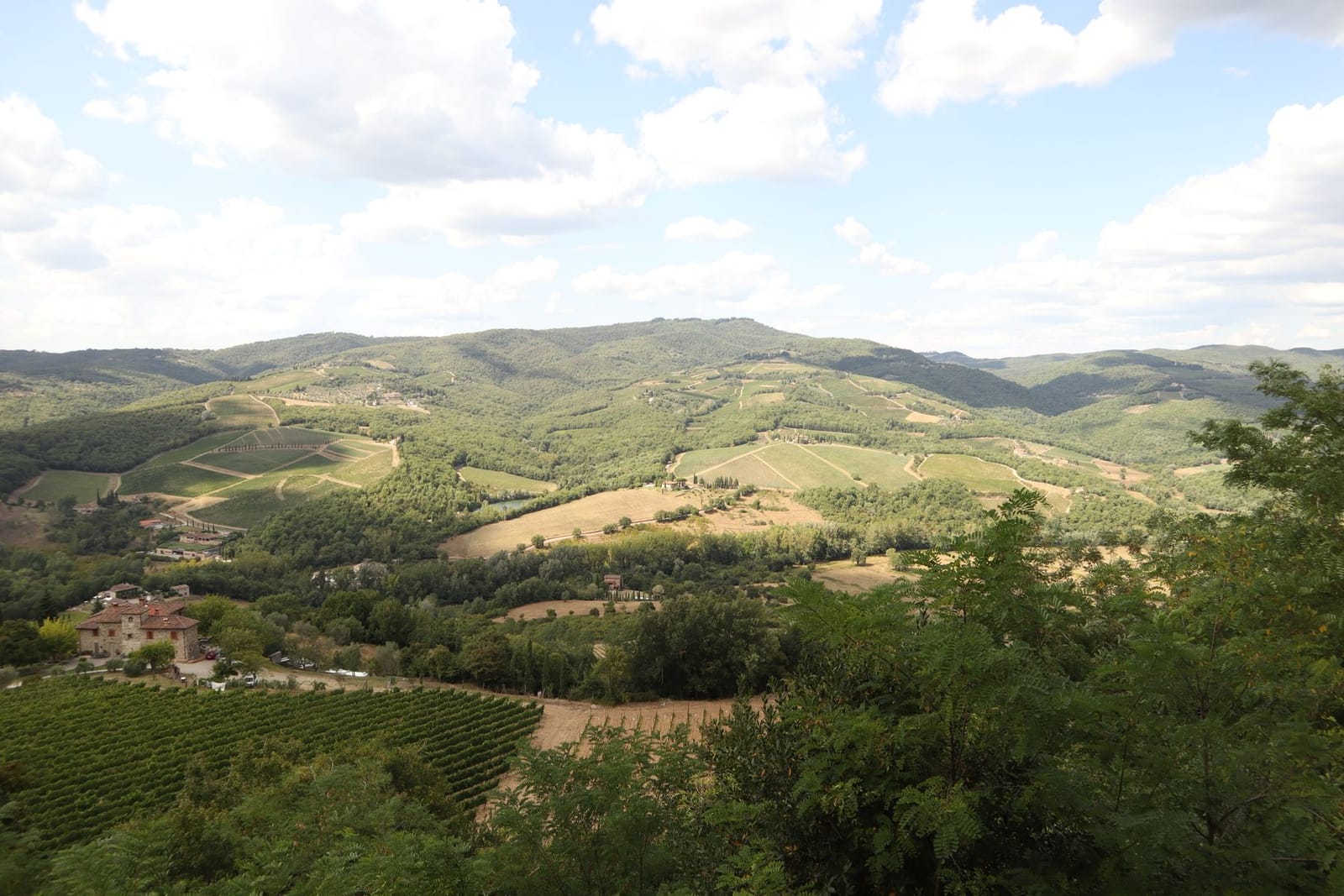
The amendment also recognises Terre di Vinci as Chianti DOCG's eighth subzone, joining Rufina, Colli Fiorentini, Montespertoli, Montalbano, the Sienese hills of Colli Senesi, Colli Aretini and Colline Pisane. It covers four municipalities — Vinci, Cerreto Guidi, Fucecchio and Capraia e Limite — about 24km west of Florence.
"Il nuovo Rosé ci permette di entrare in un segmento in espansione," said Giovanni Busi, president of the Consorzio Vino Chianti, to Gambero Rosso in June: the rosé lets the consortium enter a growing segment. He called the wider reform "il punto di equilibrio tra identità e innovazione" — a balance between identity and innovation.
From Siena's gazette to Brussels
Italy's agriculture ministry had already approved the changes at home, publishing them in the Gazzetta Ufficiale in mid-June after a revision the Consorzio began in 2020. The EU notice gives Chianti Rosé and Terre di Vinci legal force as a protected designation across the bloc. It has been an eventful year for Tuscan wine: a Cortona estate reported 30,000 bottles stolen in October.
A volume-containment rule already caps this year's Chianti DOCG output 20% below the usual ceiling, part of an effort to manage a market where demand keeps softening. A new category is one way to hold value without simply making more wine.
Producers can already bottle rosé from the 2025 vintage, Gambero Rosso reported in June, with output potentially reaching about ten million bottles a year at full regime. The 2026 harvest is the first to run through the new rules from grape to label.
Chianti is not the first established red appellation to chase pink. Provence built an export economy on rosé decades ago, and Rioja's clarete has had its own quiet revival; a three-century-old denomination adding a rosé tier reads less like invention than a late arrival at a party already under way.