Germany's 2026 wine harvest rises but stays below average
Destatis puts the 2026 wine must harvest at 8.0 million hectolitres, up 5% on 2025 but still 4% below the 2020-2025 average, after a dry summer shrank the berries.
Germany's 2026 wine harvest is expected to reach 8.0 million hectolitres of must, the Federal Statistical Office (Destatis) said on 13 October, a 5% rise on 2025's drought-hit crop but still 4% below the 2020-2025 average.
The figure is Destatis's second estimate of the season, based on a cut-off date of 20 September, and points to a partial recovery rather than a return to normal. Germany's growers brought in 7.7 million hectolitres in 2025; this year's 8.0 million hl would be about 0.3 million hl short of the six-year average.
Germany wine harvest 2026 splits sharply by region
German wine is proving that quality and quantity can move in opposite directions in the same vineyard.
Rheinhessen and the Pfalz, Germany's two largest wine regions, together account for 56% of the expected national harvest, 2.4 million and 2.1 million hectolitres respectively. The Pfalz posted the steepest gain, up 11% (214,000 hl) on 2025, with Baden up 17% (171,000 hl) and Rheinhessen up 6% (141,000 hl).
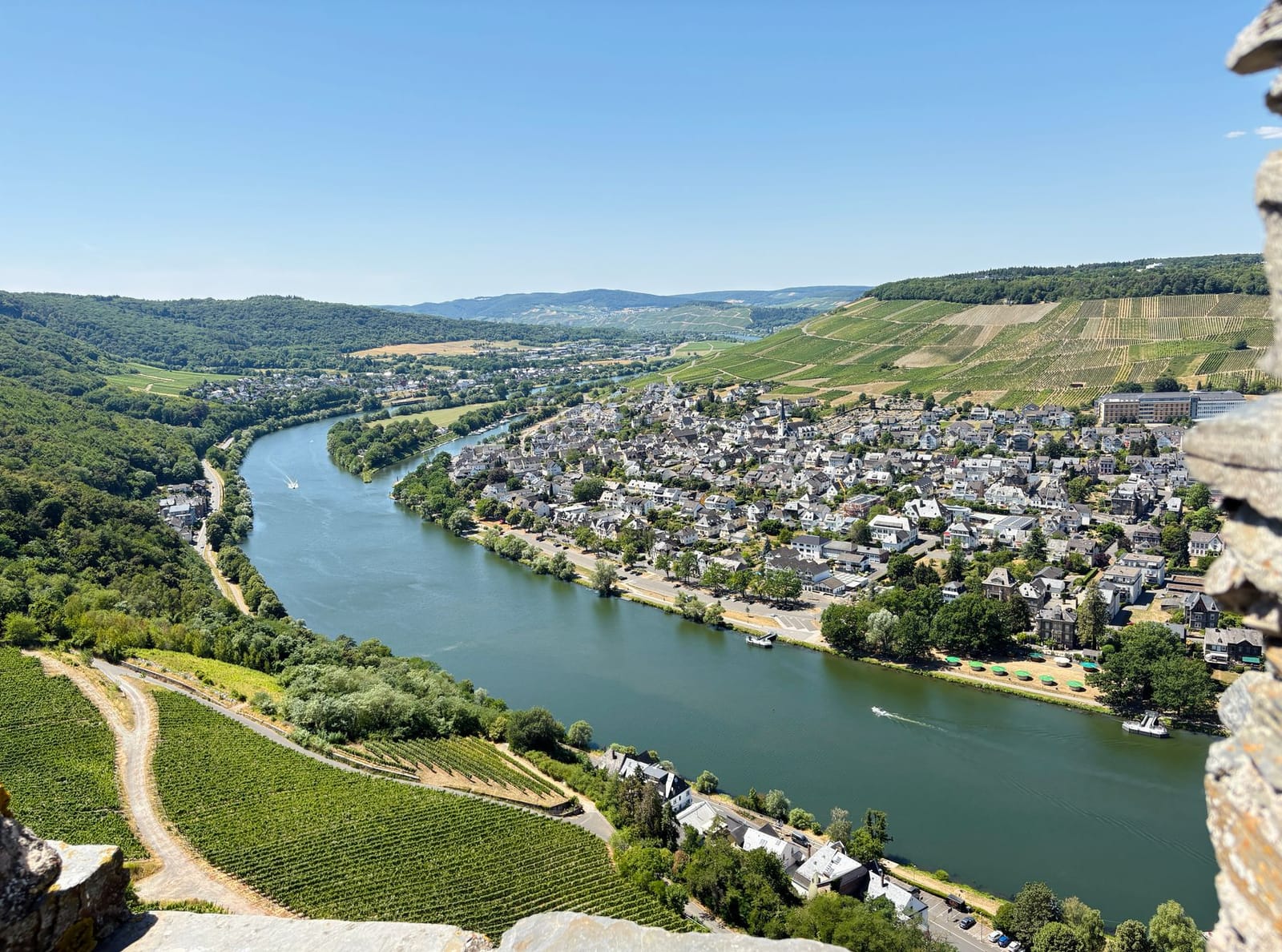
The picture reverses further north. The Mosel's must volume fell 16% (119,000 hl), Franken dropped 19% and the small Ahr region fell 50%. Riesling output is forecast to rise 8% nationally to 1.8 million hectolitres, while Grüner Silvaner falls 5% to 304,000 hl.
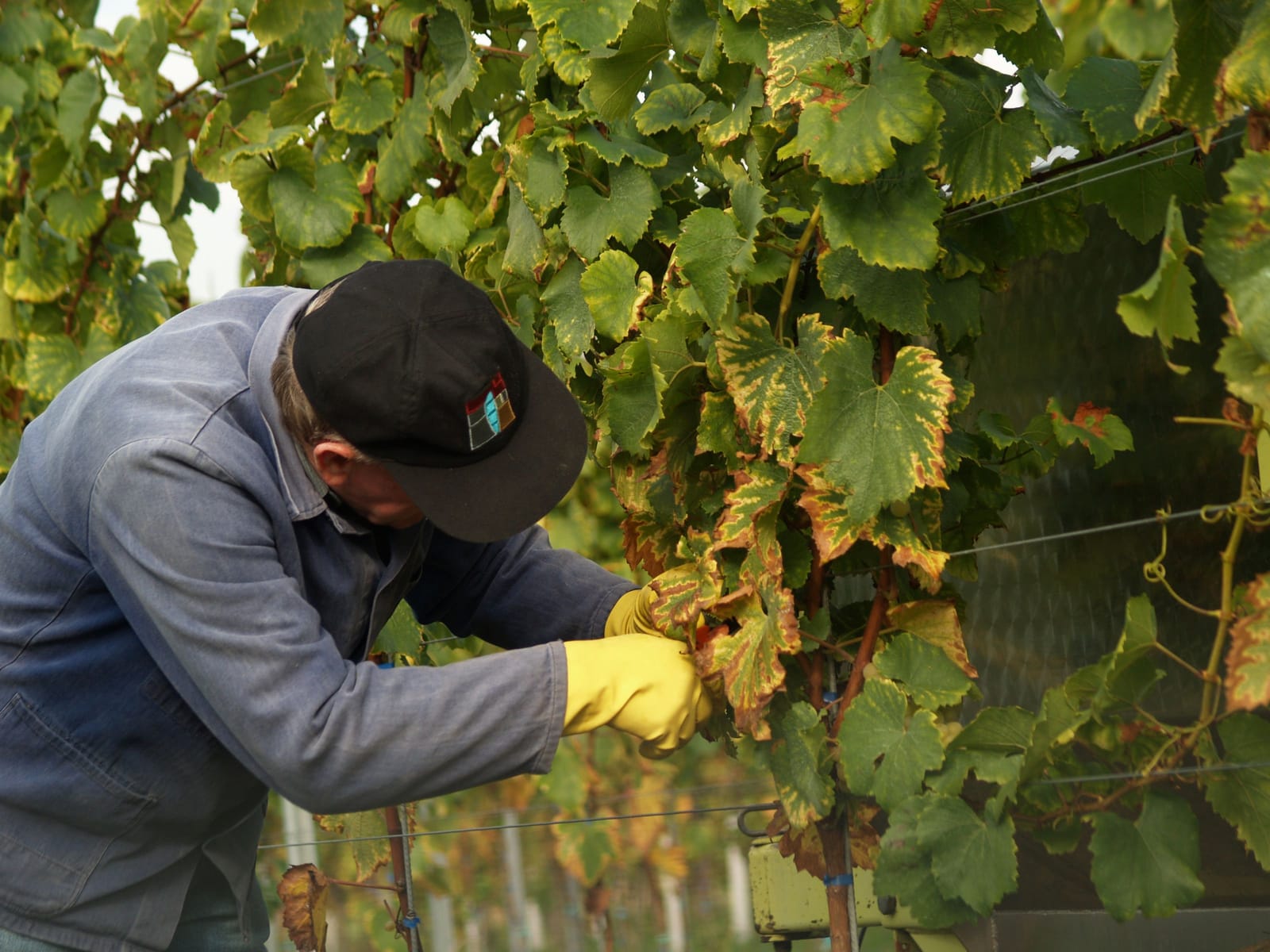
"Der Traubenbehang in den Weinbergen war durchaus gut" (the vines carried a decent crop), said Ernst Büscher, spokesman for the Deutsches Weininstitut (DWI), of the mid-season outlook, adding that older vines coped far better with the drought than young plantings on light soils.
Dry summer sets a higher quality bar
The DWI's own forecast is more cautious than Destatis's, putting the harvest around 20% below its ten-year average of 8.7 million hectolitres, close to the lowest total since 2010 on some estimates. The gap between the two bodies reflects how little juice the summer's small, concentrated berries actually yielded once pressed.
Growers and officials agree on one point: the same heat and drought that shrank berry size also concentrated sugars and flavour compounds, and the DWI is forecasting "Spitzenqualitäten", top-tier wines, from the surviving fruit, echoing a pattern seen this year from Bordeaux to Alsace.
Final figures won't be confirmed until pressing finishes across all 13 wine regions. Until then, Germany's vintners are measuring a comeback against a slower decline: a bigger crop than last year, but still short of what the last decade called normal.