Belgian supermarkets still push meat and dairy, report finds
Questionmark's Superlist Environment Belgium 2026 ranks Lidl and Delhaize ahead of Colruyt, Carrefour and Aldi, but finds all five still encourage diets heavy in animal protein.
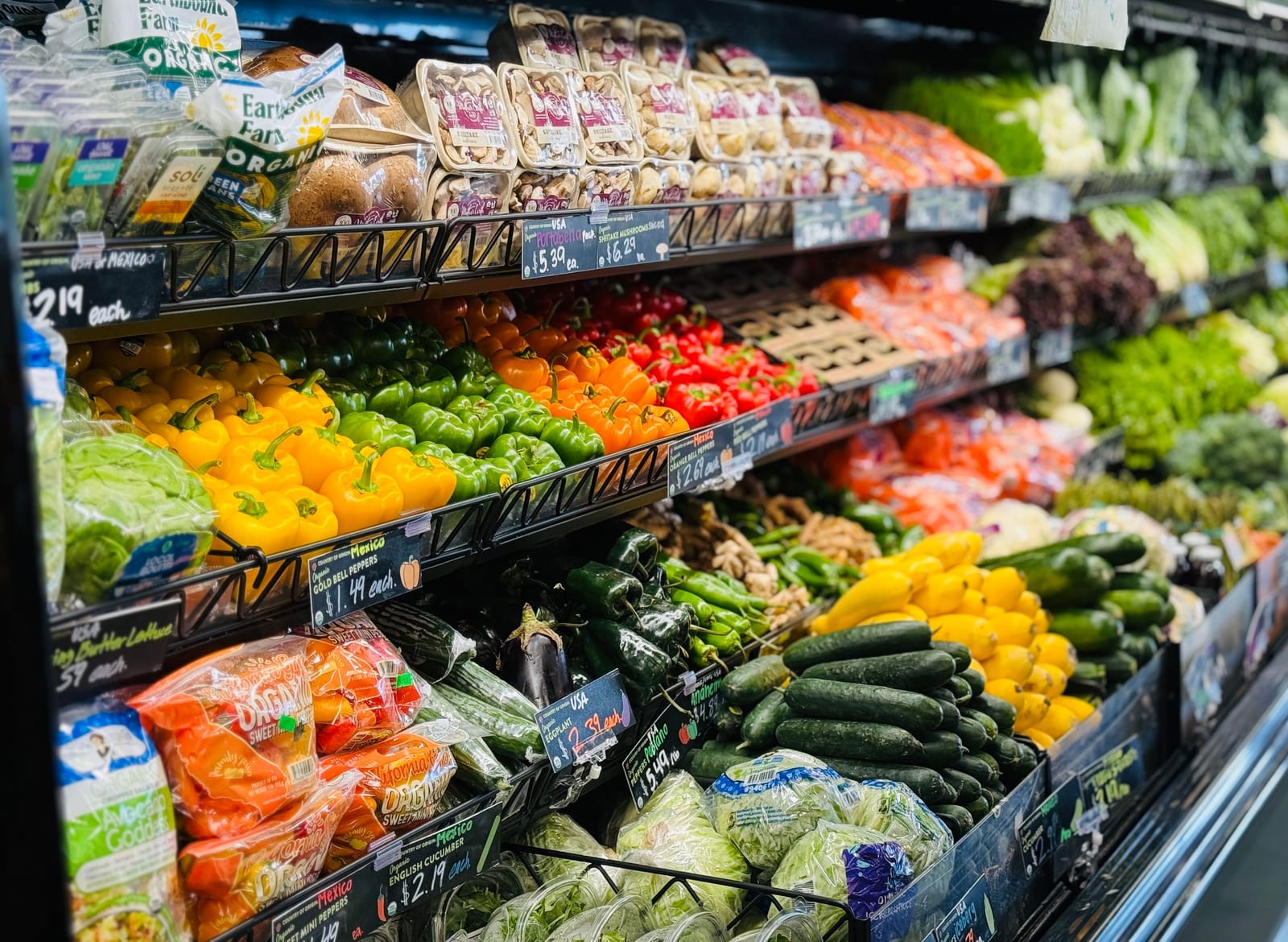
Belgian supermarkets climate pledges are not translating into less meat and dairy on the shelves, according to a new ranking of the country's five largest chains published this month by the Dutch think tank Questionmark.
The Superlist Environment Belgium 2026 report, a follow-up to a similar study in 2022, scores retailers on climate plans, the protein transition, sustainable product ranges and food waste. Lidl and Delhaize came out on top, tied for first place, ahead of Colruyt, Carrefour and Aldi, which finished last.
Despite that spread, the report's headline finding applies across the board: even chains with ambitious climate targets on paper continue to actively promote diets high in meat and dairy through pricing, promotions and shelf space. Colruyt and Lidl were singled out for what the report calls "promising policies," without detail on what distinguishes them from the other three.
A climate roadmap on a retailer's website and a shelf full of discounted mince are not the same policy.
Why protein, not just packaging
The wider European version of the Superlist, published by Questionmark in January with WWF Netherlands, ProVeg International and Madre Brava, argues that protein mix matters more than most retailer sustainability campaigns suggest. It attributes roughly 60% of food-related greenhouse gas emissions and about 31% of global methane to meat and dairy production, and says shifting retail sales toward plant-based alternatives is among the most effective single levers a supermarket controls.
Few retailers anywhere in the 27-chain, eight-country benchmark have set a specific target for the share of protein sales that should come from plants rather than animals. Questionmark's director, Charlotte Linnebank, said of the broader project that "this Superlist shows it's possible, and frontrunners can inspire others to follow suit," calling for clearer roadmaps and transparent reporting across the sector.
A familiar gap between targets and shelves
The pattern echoes what this year's edition found in other markets too: retailers publish emissions roadmaps while actual emissions keep rising, and marketing around sustainability often runs ahead of changes to what is actually being sold. It is the same gap that has shaped scrutiny of UK grocery consolidation and EU quota fights over other food categories this year, where headline commitments rarely move as fast as the underlying supply chain.
Questionmark says it will track the same five Belgian chains again before the next edition, giving Lidl and Delhaize little time to coast on this year's tie for first.