BM Caterers starts growing its own produce in Wiltshire
A dedicated community farm now supplies the workplace caterer's corporate menus, part of a wider push by UK operators to shorten supply chains under cost pressure.
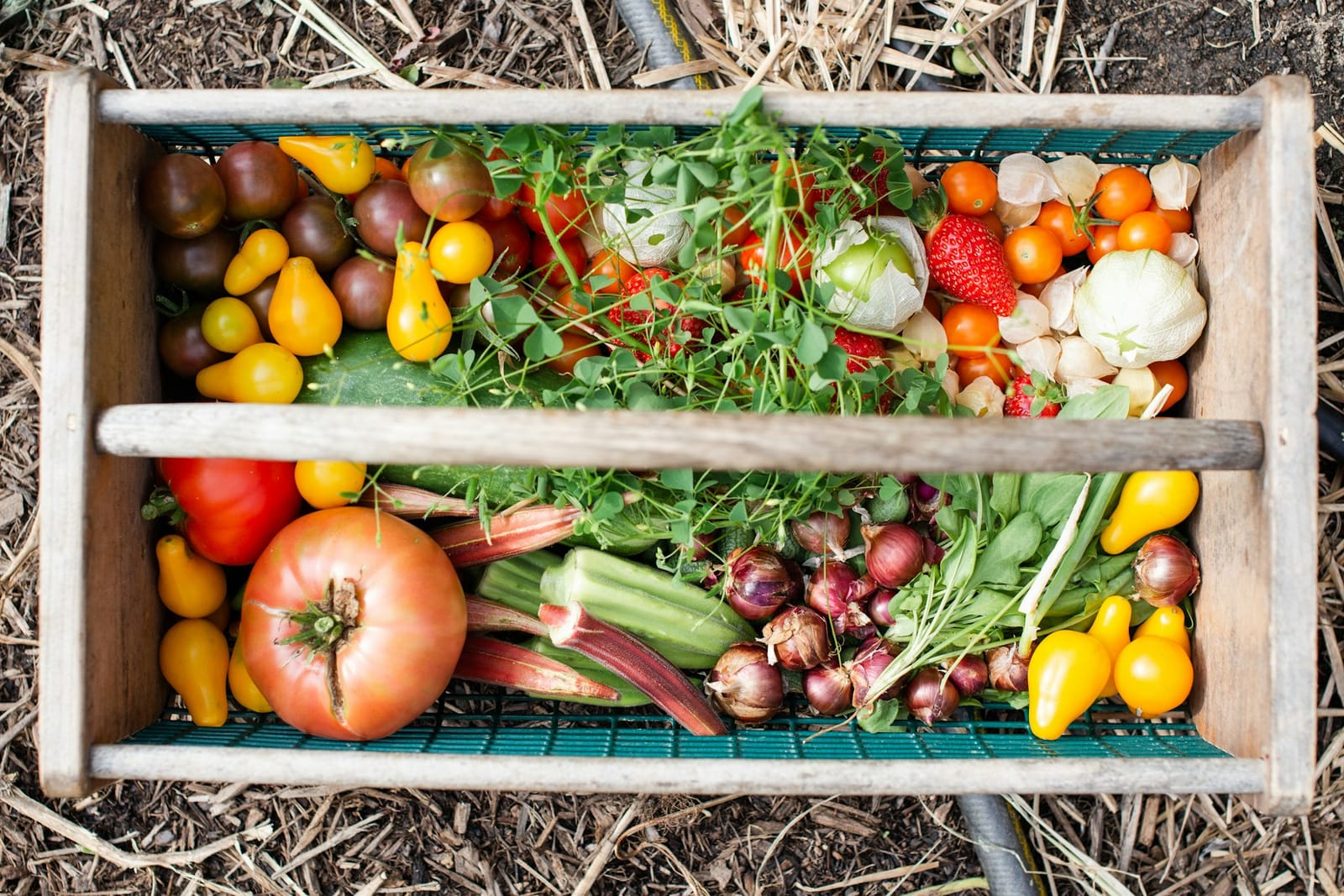
BM Caterers, a UK workplace caterer, now grows vegetables for its corporate clients on a dedicated community farm in Wiltshire, after its first harvest there this month.
The farm, Savernake Park Community Farm, grows produce exclusively for BM Caterers under a partnership that launched over the summer. A team cultivates seasonal crops that go directly into menus for BM's corporate dining clients, cutting the distance between field and plate to a single supply chain rather than a wholesaler's.
Angus Brydon, managing director of BM Caterers, said the arrangement would change how the company sources and serves food, though he gave no figures for the volume of produce involved or how many client sites will use it. The company has not disclosed the farm's acreage or the length of the supply agreement.
A named farm gives a caterer a concrete claim where 'local sourcing' alone does not.
What a dedicated farm buys a caterer
Workplace caterers answer to corporate clients chasing environmental, social and governance targets, and a named farm gives BM a concrete claim where a generic "local sourcing" line would not. Shorter supply chains can cut the fuel and refrigeration a wholesale vegetable run requires, though BM has not published emissions figures to back that claim for this specific partnership.
The deal also wraps in education: volunteering days, harvest events, guided foraging, farm tours and sustainability workshops for BM's clients and staff. Mark Jankovich, the farmer at Savernake Park and founder of the cleaning brand Delphis Eco, said the goal was to link corporate kitchens directly to the people growing their food.
A small deal in a sector under pressure
The partnership is modest next to the scale of UK contract catering, where a handful of groups serve thousands of corporate sites. But it lands as scrutiny of supermarket climate pledges grows across Europe, and as UK hospitality trade body UKHospitality pushes government for tax relief ahead of the Autumn Budget, with operators citing rising produce and labour costs as reasons to cut costs elsewhere in the supply chain.
BM says the farm will keep supplying its clients' menus through the rest of 2026, with education programmes continuing alongside the harvest. Whether the model scales beyond one farm and one caterer, rather than staying a single flagship site, is the detail BM has yet to answer.