California vineyards lose 19,000 hectares in a single year
Growers pulled out 47,229 acres of wine grapes in twelve months, a faster pace than the year before, and the industry still thinks it has too many vines.
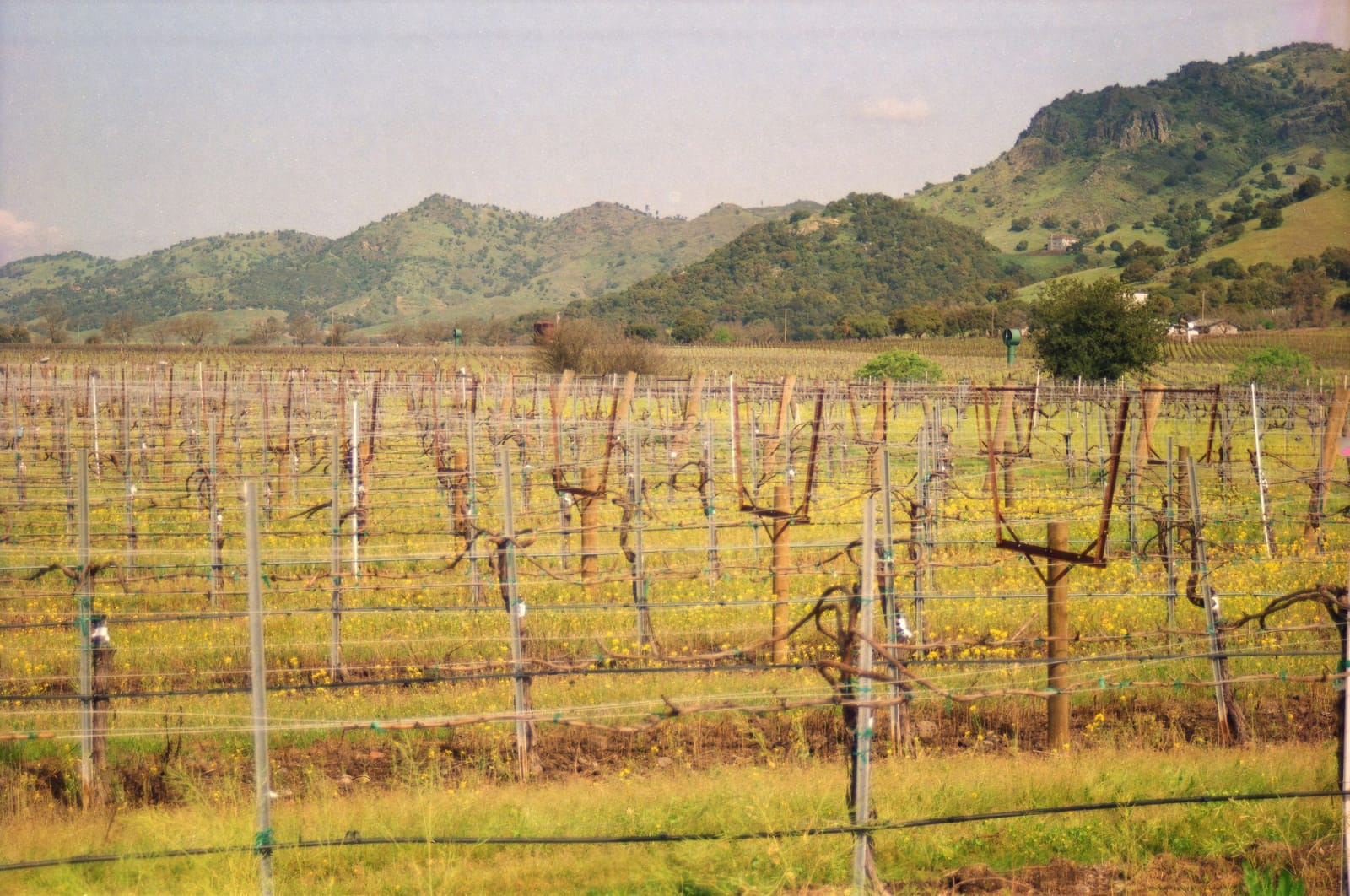
California vineyards shrank by 47,229 acres, about 19,100 hectares, in the year to 1 August 2026, according to the 2026 California Winegrape Mapping Project released on 15 October by the California Association of Winegrape Growers (CAWG).
The survey, carried out by the Sacramento firm Land IQ using satellite imagery and field checks, counts 439,115 acres of wine grapes still standing, roughly 177,700 hectares. The removals equal almost a tenth of the 477,475 acres mapped a year earlier, and they outpace the previous round, when growers pulled out more than 38,000 acres, about 15,400 hectares, between October 2024 and August 2025.
Where California vineyards are coming out
California is cutting its vineyard down to the size of a market that drinks less.
The public summary does not break the removals down by county; the full report is reserved for CAWG members and the regional associations that paid for it. Napa Valley Grapegrowers has released its own figures: 2,944 acres removed in Napa County, around 1,190 hectares, or about 7% of its standing area against roughly 11% statewide. Napa holds a tenth of the state's vines but only 6% of the removals.
The bulk of the cuts falls on the Central Valley, source of most of California's inexpensive wine. San Joaquin County, home to Lodi, is still the largest grape county with 61,582 standing acres, against 67,845 in last year's map, followed by Sonoma with 55,893. The USDA acreage survey published in April already showed the decline reaching the premium grapes: Cabernet Sauvignon fell from 94,906 to 90,040 acres in 2025 and Chardonnay from 85,840 to 83,262.
Too much wine, fewer drinkers
The cause is a market that buys less wine than the state grows. "The reality is we're still long," Jeff Bitter, president of Allied Grape Growers, told Ag Alert in February. The 2025 harvest came in under 2.5 million tons, the smallest in decades, with around 820,000 tons left unpicked, and winery stocks were still at 19 months of sales at the end of 2025, above the 18 the trade considers healthy.
"New generations do like wine. They just drink less," said Liz Thach, president of the Wine Market Council. Nurseries sold 7.7 million vines in 2025, enough for about 7,200 acres, against more than 20 million three years earlier. The squeeze is not only Californian: Australian growers have just been given rules for resting vineyards with ethephon, and in California itself Suisun Valley wineries are fighting the Bay-Delta water plan.
Industry estimates put the vineyard the market needs at around 410,000 acres, about 165,900 hectares, which leaves roughly 29,000 acres still to go. Bitter expects balance in 2027 or 2028. The map also counts abandoned and mothballed blocks as standing vineyard, so the productive area is already smaller than the headline number.
Sources
- Wine Industry Advisor – 2026 California Winegrape Mapping Project Released (CAWG / Land IQ) ·
- Napa Valley Grapegrowers – 2026 California Winegrape Mapping Project Results Are Here ·
- Ag Alert (California Farm Bureau) – Grape glut lessens as growers scrap vines ·
- FreshPlaza – California grape acreage declined in 2025 (USDA NASS California Grape Acreage Report) ·