France's 2026 wine harvest falls to its lowest in years
A hot, dry summer and a shrinking vineyard pushed France's grape harvest well below average, with Champagne and Beaujolais hit hardest of all.
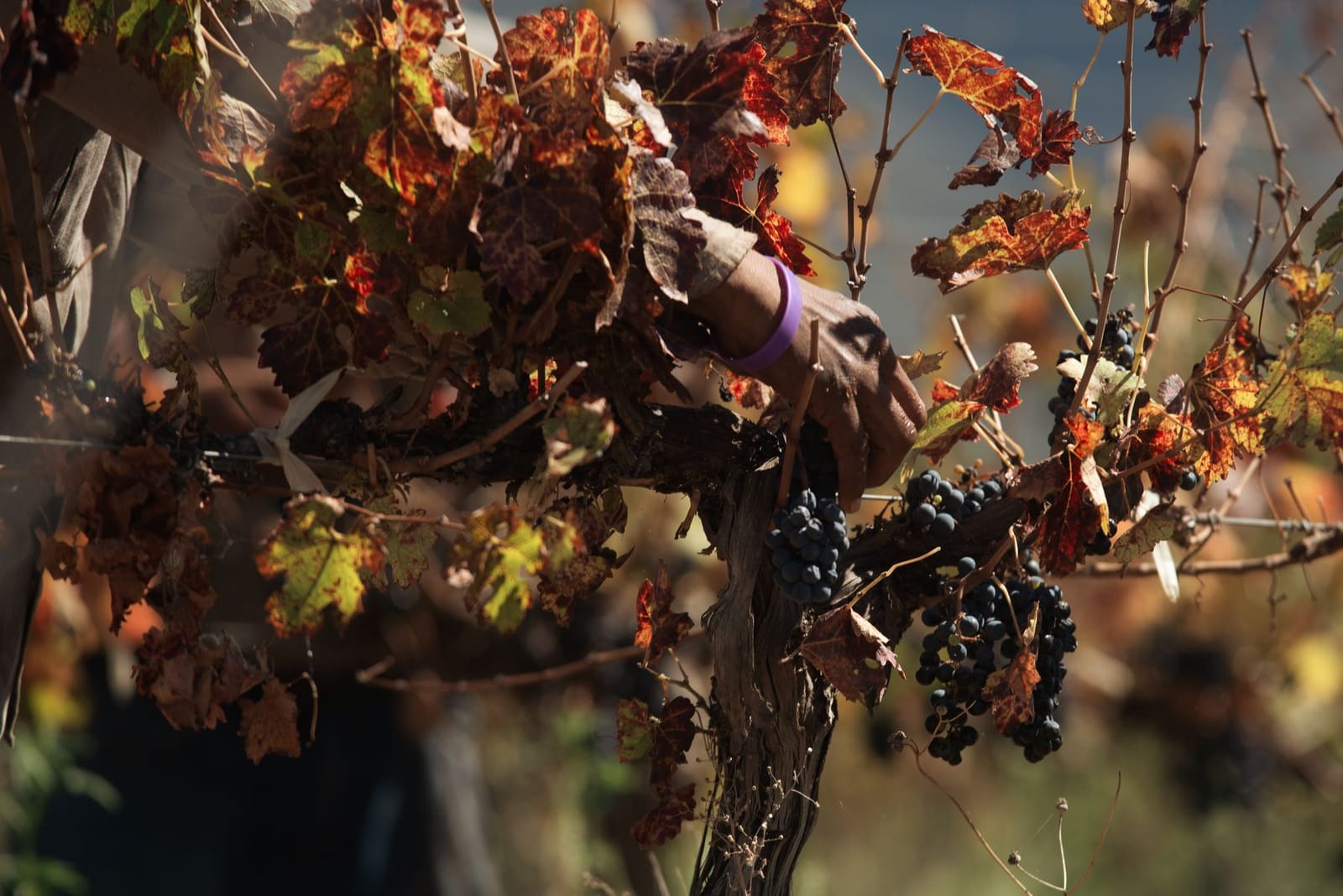
France's 2026 wine harvest lands around 35 million hectolitres, the country's smallest in years, after a hot, dry summer hit Beaujolais and Champagne hardest.
The estimate comes from Agreste, the agriculture ministry's statistics service, in a report published on 1 October. It puts the 2026 wine harvest 2% below 2025 and 14% below the 2021-2025 average, a wider shortfall than growers expected back in the spring.
Picking began unusually early. Beaujolais growers cut their first chardonnay and gamay grapes on 13 August, weeks ahead of a typical year, as heat pushed sugar levels up fast and crews raced to bring in fruit before it overripened on the vine.
Beaujolais began picking earlier than ever and still brought in less wine for it.
Beaujolais and Champagne take the hit
Burgundy and Beaujolais together are down 22% on 2025 and 30% on the five-year average, according to the ministry's regional breakdown. Some Beaujolais growers put their own losses even higher, closer to a third below last year's crop.
Champagne fared worst of any region, down 48% on the revised October estimate, with the Jura close behind at 28% below last year. Both depend on grapes that ripen late, leaving them exposed to a summer of repeated heatwaves.
Not every region lost ground. Languedoc-Roussillon grew its harvest by 20% after rain arrived late in the summer, and Bordeaux is up 10 to 11%, in a year that leaves Germany's harvest below its own average too.
A shrinking vineyard behind the shrinking harvest
Agreste points to drought and heat as the main drivers, compounded by a smaller national vineyard after years of EU-subsidised vine-pulling schemes designed to work through France's wine surplus. Fewer vines in the ground means less fruit even in an average year.
The fruit itself is in good shape. Growers report excellent sanitary condition across most regions, with little disease pressure despite the heat, and early tastings from Beaujolais plots that escaped August hail show decent concentration.
Beaujolais Nouveau arrives on 19 November, with the Sarmentelles de Beaujeu festival running from the 18th to the 22nd. A tighter wine harvest across Champagne and Beaujolais points to smaller allocations for négociants and firmer prices further down the chain — the latest sign of a growing season squeezed everywhere this year, from Beaujolais's vines to Istria's truffle grounds.
Sources
- Pleinchamp ·
- L'Info Durable ·
- Vinetur ·