Morocco's bumper olive harvest could halve oil prices
Growers in Ouezzane, Chefchaouen and Ksar El Kebir expect 40 to 80 percent more fruit this year, with oil prices set to fall below MAD 35 a liter.
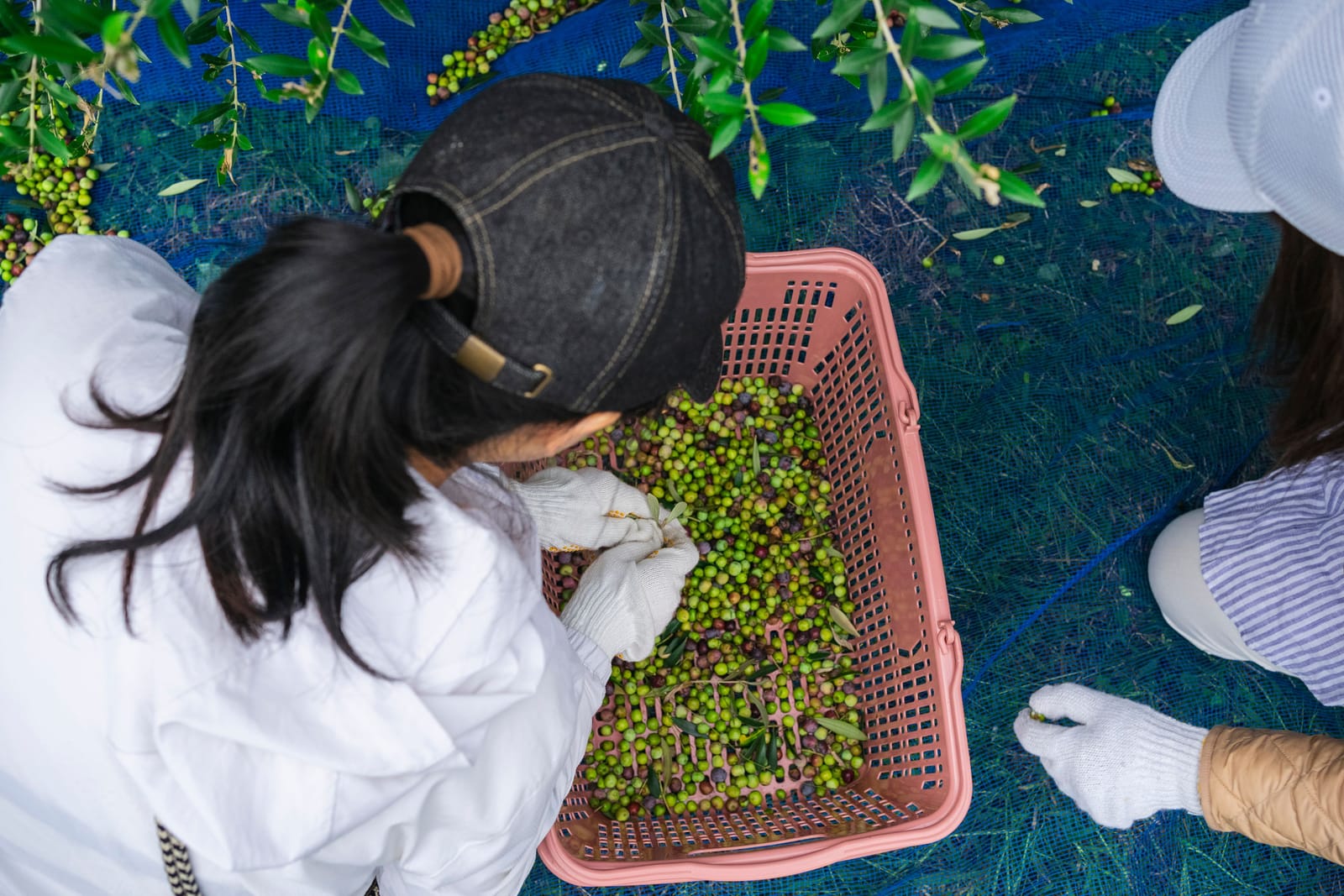
Morocco's olive harvest is set to jump 40 to 80 percent this season in the three northern provinces that drive most of the country's oil, and growers expect prices to fall below MAD 35 a liter.
The increase covers Ouezzane, Chefchaouen and Ksar El Kebir, three provinces in the Rif foothills that account for a large share of Morocco's olive oil. Pickers start on the earliest plots in the second half of October, with the main harvest running from late October through mid-December.
Rain ends Morocco's drought run
A good rain year turned Morocco's olive belt from scarcity to surplus almost overnight.
Morocco's olive belt spent several seasons short of water, and both rainfed and irrigated groves fell behind. Heavier winter and spring rainfall this year let trees recover across the north, according to growers and trade sources cited by the Moroccan outlet Le360.
Newly bearing plantations are doing some of the heaviest lifting. Trees planted in the past decade now make up roughly 75 percent of olive land in Ouezzane and Chefchaouen, and growers say many are yielding more fruit than their age would suggest.
The recovery is not confined to the north. Morocco's Agriculture Ministry recorded a national olive harvest of close to two million tonnes for 2025-2026, more than double the previous season and a rise of 111 percent.
A season of MAD 35 oil
A liter of local oil cost more than MAD 70 during last year's shortage. Sources in the north now expect prices to settle below MAD 35 this season as the larger crop works through regional mills.
Growers around Ouezzane also expect the bigger volume to hold up on quality, a reversal from drought years, when smaller, stressed fruit pushed acidity higher and graded oil lower. Elsewhere in the Mediterranean, cooks wait every autumn for that first taste of new-season oil; Morocco's millers are hoping for the same kind of year.
The run of good news carries a caveat for next season. Spanish industry analysts tracking Morocco's market expect national production to drop by around 44 percent in 2026-2027, to roughly 100 million kilograms from this season's 180 million, as the country's trees swing into their natural off-year after a heavy harvest.
For now, the lower prices should widen Morocco's cost advantage over Spanish and Italian oil, a gap that has already pulled buyers toward Moroccan imports over the past two years. Millers around Ouezzane say they expect to run at full capacity into December.