Fettunta recipe: Tuscany's new-oil toast, done right
Fettunta is the simplest test of new-season olive oil: toasted bread, garlic, salt, and as much green, peppery oil as the bread will hold.
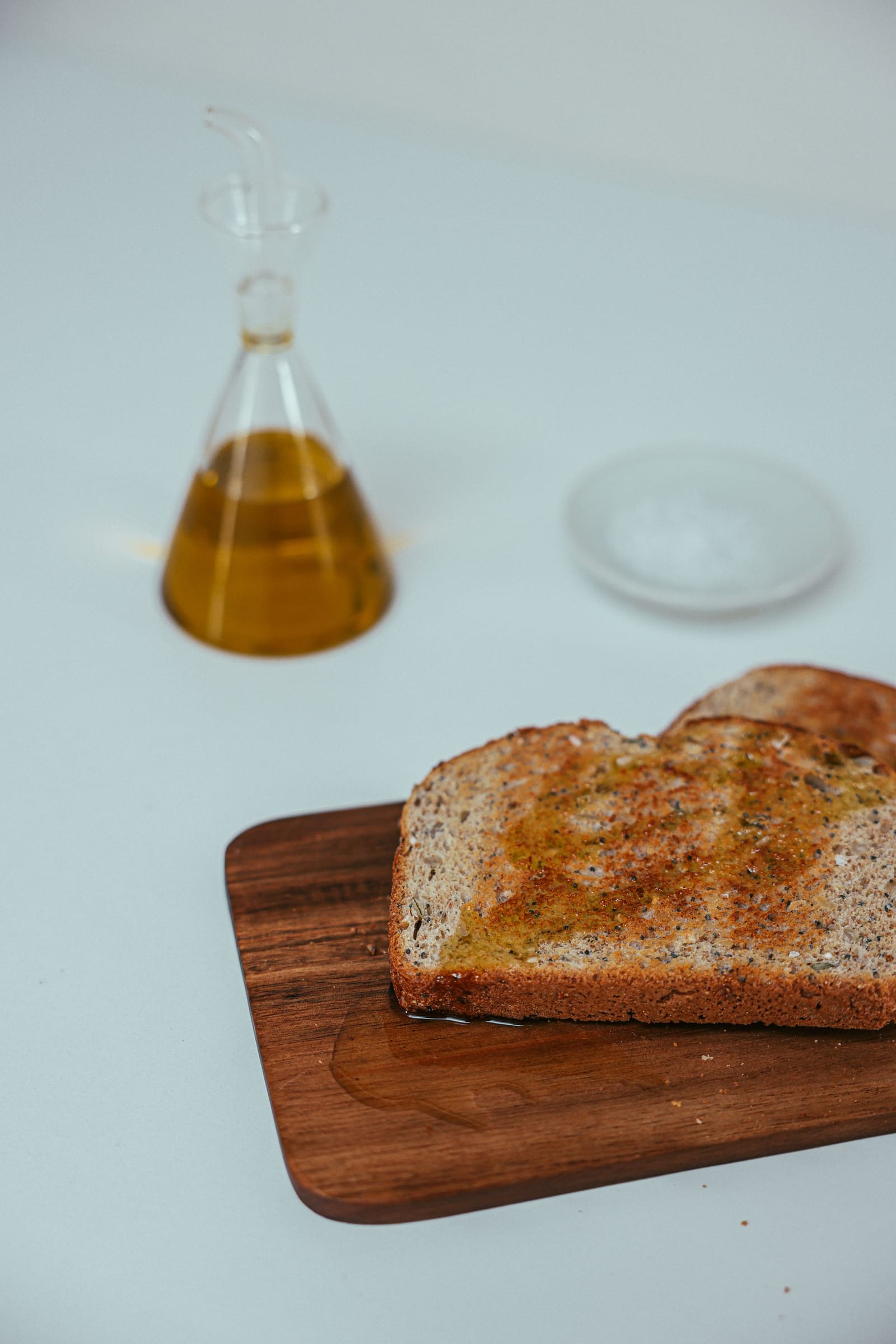
Fettunta is Tuscany's oldest argument for new-season olive oil: a thick slice of bread, toasted hard, rubbed with garlic and soaked in oil pressed within weeks of the autumn harvest.
The name comes from Tuscan dialect for “oiled slice.” Millers and farmhands have eaten it at the frantoio, the olive press, since long before bruschetta existed elsewhere in Italy — by most accounts, fettunta is bruschetta's plainer, older ancestor.
The dish only works with proper olio nuovo: cloudy, bright green and sharp enough to catch in the throat. This year's Italian harvest, arriving alongside record carryover stock, makes that oil easier to find than usual.
No recipe asks less of a cook, or more of the oil, than a good fettunta.
Ingredients
- 4 thick slices coarse country bread (pane toscano or sourdough), a day old
- 1 garlic clove, peeled
- 100 ml extra virgin olive oil, ideally olio nuovo
- Flaky sea salt, to taste
- Optional: a handful of cooked cavolo nero or warm cannellini beans, to serve
Method
- Toast the bread over a grill, open flame or in a hot dry pan until the surface is dark and firm but the centre still gives. Fettunta needs a sturdy crust to hold the oil, not a crisp crouton that collapses under it.
- While the toast is still hot, rub one side firmly with the garlic clove. Heat opens the bread's pores, so the garlic perfumes it in a single pass.
- Set the toast on a plate and pour the olive oil over it slowly, letting the bread drink it in rather than letting it pool on top. Use more oil than feels reasonable — a dry fettunta has missed the point.
- Season with flaky salt and eat immediately, while the bread is still warm and before the oil has had time to sink all the way through.
Keep it plain, or don't
Purists eat fettunta exactly like this, with nothing between the bread and the oil. A version topped with wilted cavolo nero or warm cannellini beans turns it into a light meal rather than a snack, and both are common across Tuscan kitchens in autumn.
Either way, pour a wine that won't fight the oil's bitterness and pepper — a young Chianti or a plain Tuscan white both work, and the dish is sturdy enough to open a meal that continues with AMUSE's ribollita.
Can I use regular olive oil instead of olio nuovo? Yes, but the dish will taste flatter. Fettunta exists specifically to showcase the sharpness of new-season oil, so this is the one recipe worth spending on the good stuff.