What to eat in Florence: 8 dishes and where to find them
Bistecca by the kilo, lampredotto at the market and truffle pasta in the Oltrarno: a working guide to Florence's trattoria city, address by address.
What to eat in Florence starts with three non-negotiables: a bistecca alla Fiorentina sold by the kilo, a lampredotto roll eaten standing up at a market stall, and a bowl of ribollita that tastes better the day after it was made.
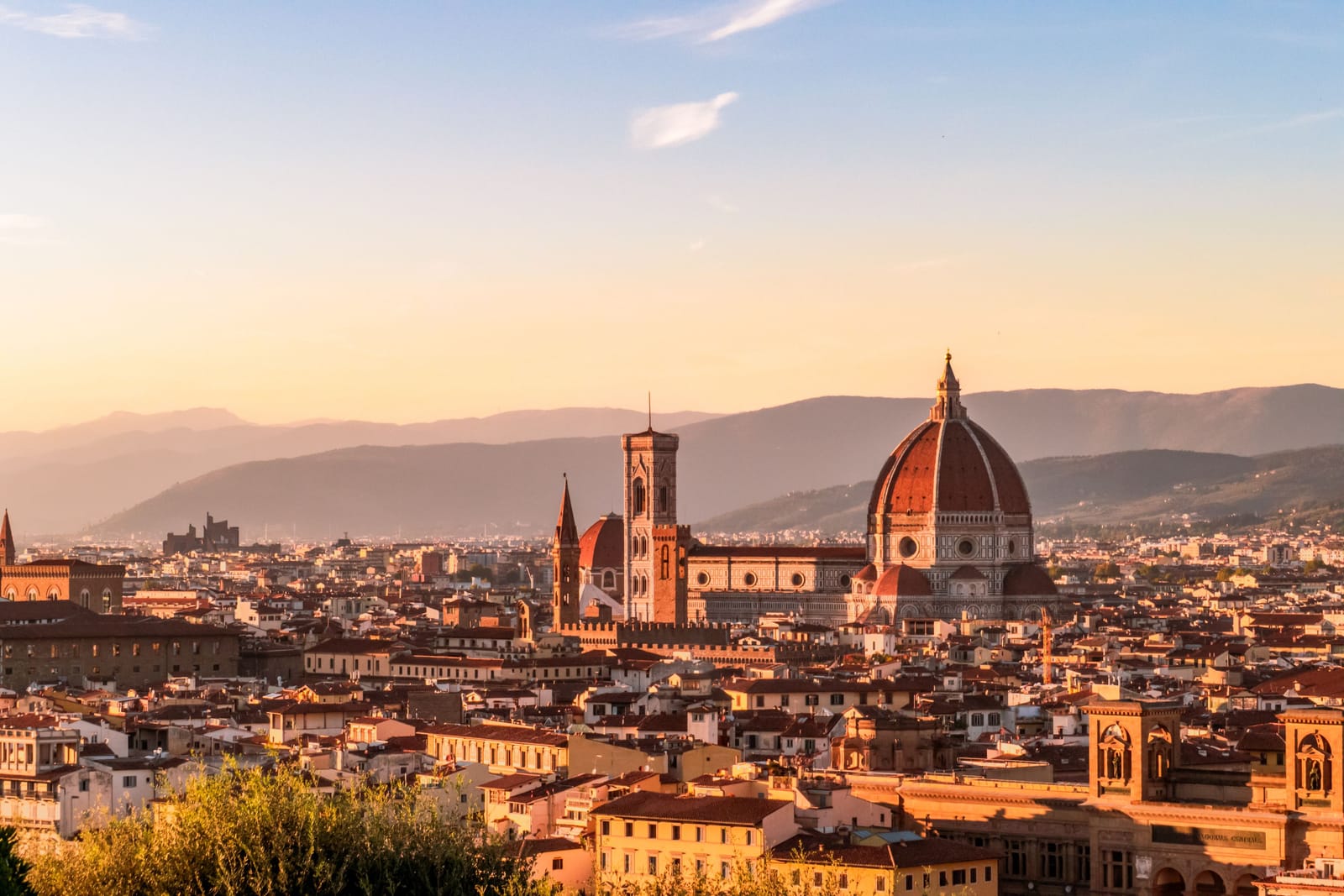
Tuscan cooking was built on frugality, not spectacle. Its defining dishes turn stale bread, the so-called fifth quarter of the cow and whatever vegetable the season allows into some of Italy's most stubbornly defended recipes. Chianti's vineyards ring the city on three sides, and olive oil pressed on those same slopes finishes almost everything that leaves a Florentine kitchen.
What has changed is where you eat it. The cash-only trattorie that once fed market porters now share the centro storico with a three-Michelin-star dining room and an osteria set inside Gucci's own courtyard. Both ends of the scale are answering the same question: what to eat in Florence, and exactly where to find it. (For the slower trains between here and Rome, AMUSE has also covered the La Dolce Vita Orient Express routes for 2027.)
Florence doesn't dress up its food. It mostly just stopped touching it a few centuries ago.
What to eat in Florence first: bistecca alla Fiorentina at Trattoria Sostanza
The bistecca is a thick-cut T-bone of Chianina beef, grilled rare over oak coals and seasoned with nothing but sea salt and olive oil after it comes off the fire. It is sold by weight, not as a fixed portion, so a 1-1.2 kg steak meant for two or three is normal.
Trattoria Sostanza, on Via del Porcellana near Santa Maria Novella, has been grilling it since 1869 and still takes bookings by phone only. The same kitchen is equally known for petti di pollo al burro, chicken breast fried in butter until the crust shatters. Expect to pay roughly €50-120 per kilo depending on the cut and the season.
Lampredotto at Da Nerbone, Mercato Centrale
Lampredotto is the fourth stomach of the cow, simmered for hours in a broth of tomato, celery and onion until it turns tender, then sliced into a bread roll and dipped back into its own cooking liquid. Salsa verde or a chilli sauce goes on top; asking for the top of the roll to be removed first (il panino bagnato, 'wet') is standard, not an insult to the baker.
Da Nerbone has run its stall on the ground floor of Mercato Centrale in San Lorenzo since 1872. It is cash only, closes by mid-afternoon, and draws a queue from late morning — arrive before 12.30pm to eat standing at the counter rather than waiting it out.
Ribollita at Trattoria Mario, San Lorenzo
Ribollita means 're-boiled': a thick vegetable and bread soup built on cavolo nero, cannellini beans and whatever is left of yesterday's loaf, thickened until a spoon stands up in it. It is the clearest example of Tuscan cucina povera on any menu in the city.
Trattoria Mario, beside Mercato Centrale on Via Rosina, chalks up a short list of daily dishes at shared communal tables. It is lunch only, closed Sundays, cash only, and takes no reservations — regulars arrive before noon to beat the line. Bistecca appears on the board most Mondays and Thursdays.
Peposo alla fornacina at La Casalinga, Oltrarno
Peposo is beef shin stewed for hours in a sealed pot with a heavy hand of black pepper and a full bottle of Chianti, no stock needed. The story, repeated by every Florentine waiter, is that it was first made by the kilnworkers firing the terracotta roof tiles for Brunelleschi's dome, who cooked it slowly over the same embers.
La Casalinga, a few streets back from Piazza Santo Spirito in the Oltrarno, has served it alongside white beans and grilled meat since 1963, at prices closer to a neighbourhood canteen than a tourist stop.
Crostini di fegatini, the city-wide starter
Chicken liver pâté, loosened with wine or stock and sometimes a caper or anchovy, spread warm on toasted bread: crostini di fegatini opens nearly every Tuscan meal in the city, from the cheapest trattoria to the grandest. It rarely has a single address because it doesn't need one — if a Florentine menu has an antipasti line at all, this is on it.
Tagliatelle al tartufo at Trattoria Cammillo, Oltrarno
Autumn in Tuscany means truffle, and while the serious hunting happens over in Piedmont (see our white truffle risotto recipe and tajarin technique from Alba), Florentine kitchens shave local autumn black and winter white truffle generously over fresh egg pasta from October through December.
Trattoria Cammillo, by the Ponte Vecchio, has run in the same family since 1945 and pairs truffle pasta with fried artichokes when they're in. Reservations are essential; this is not a walk-in address.
The splurge: Enoteca Pinchiorri, Santa Croce
Florence's only three-Michelin-star restaurant occupies a 15th-century palazzo on Via Ghibellina, with a wine cellar running to an estimated 4,000 labels. The cooking is French-inflected Tuscan rather than straight trattoria fare, built around tasting menus.
Expect to pay €150-350 per person before wine, and to book several weeks out. For a lower-stakes version of the same ambition, Gucci Osteria da Massimo Bottura, on Piazza della Signoria, runs a shorter, slightly less formal tasting menu inside the Gucci Garden.
Cantucci e Vin Santo, the trattoria finish
Almost every meal in the city ends the same way: hard almond biscuits, cantucci, dunked into a small glass of Vin Santo, a sweet amber wine made from grapes dried on straw mats before pressing. It rarely appears as a written menu item — ask, and it tends to arrive anyway.
Markets, neighbourhoods and when to go
Florence's two working markets double as the fastest introduction to the city's food, and both run mornings only.
- Mercato Centrale, San Lorenzo — ground-floor produce stalls and Da Nerbone run Mon-Sat, roughly 7am-2pm; the first-floor food hall stays open daily until midnight.
- Mercato di Sant'Ambrogio, Piazza Lorenzo Ghiberti — the more local of the two, Mon-Sat 7am-2pm, closed Sunday, with a trippaio stand and Trattoria da Rocco serving a cash-only lunch inside the market loggia.
- San Lorenzo — market district, budget trattorie, leather stalls.
- Santa Croce — Enoteca Pinchiorri and the city's fine-dining cluster.
- Oltrarno — across the river from the main sights, home to Trattoria Cammillo, La Casalinga and a thicker concentration of workshops than tourists.
- Best time to go — October to March covers both black and white truffle season and the quieter, cooler months for queuing at Da Nerbone.
Practical questions, answered
Is Florence expensive to eat in? Not at the trattoria level. A full sit-down meal with wine at Trattoria Mario or La Casalinga runs roughly €25-50 a head, and a lampredotto roll at Da Nerbone costs a few euros. Bistecca and the tasting-menu restaurants are where the bill climbs, since the steak is priced by weight and can easily pass €60-80 per person before sides and wine.
What is bistecca alla fiorentina and how is it priced? It's a thick T-bone or porterhouse cut from Chianina cattle, grilled rare and sold by the kilo rather than as a plate — expect €50-120/kg, with most steaks weighing 1-1.2 kg and meant to be shared.
Do I need to book ahead in Florence? For Trattoria Sostanza, Trattoria Cammillo and Enoteca Pinchiorri, yes, often days or weeks ahead. Trattoria Mario and Da Nerbone take no reservations at all — it's first come, first served, cash only.
Where do locals eat lampredotto? At a stall, not a restaurant. Da Nerbone inside Mercato Centrale and the trippaio stands at Sant'Ambrogio and the Mercato Nuovo loggia are the standard addresses, all cash only.
Beyond the headline dishes, what to eat in Florence in October and November increasingly means truffle: local black and winter white shavings turn up on pasta across the Oltrarno for as long as the season runs.
Where to book first
Three addresses to start with: Trattoria Mario (Via Rosina 2R, San Lorenzo) for lunch — arrive before noon; Da Nerbone inside Mercato Centrale for a lampredotto roll eaten standing up; and Enoteca Pinchiorri (Via Ghibellina 87, Santa Croce) booked weeks out for the one splurge worth the wait.
Ready to book? See our list of the best restaurants in Florence in 2026, from Enoteca Pinchiorri to Trattoria Mario.