Rwanda plants Africa's highest vineyard on a volcano
A $22 million project called Vinmusa is putting Chenin Blanc vines on the slopes of Mount Karisimbi, in a region known for gorilla trekking, not wine.
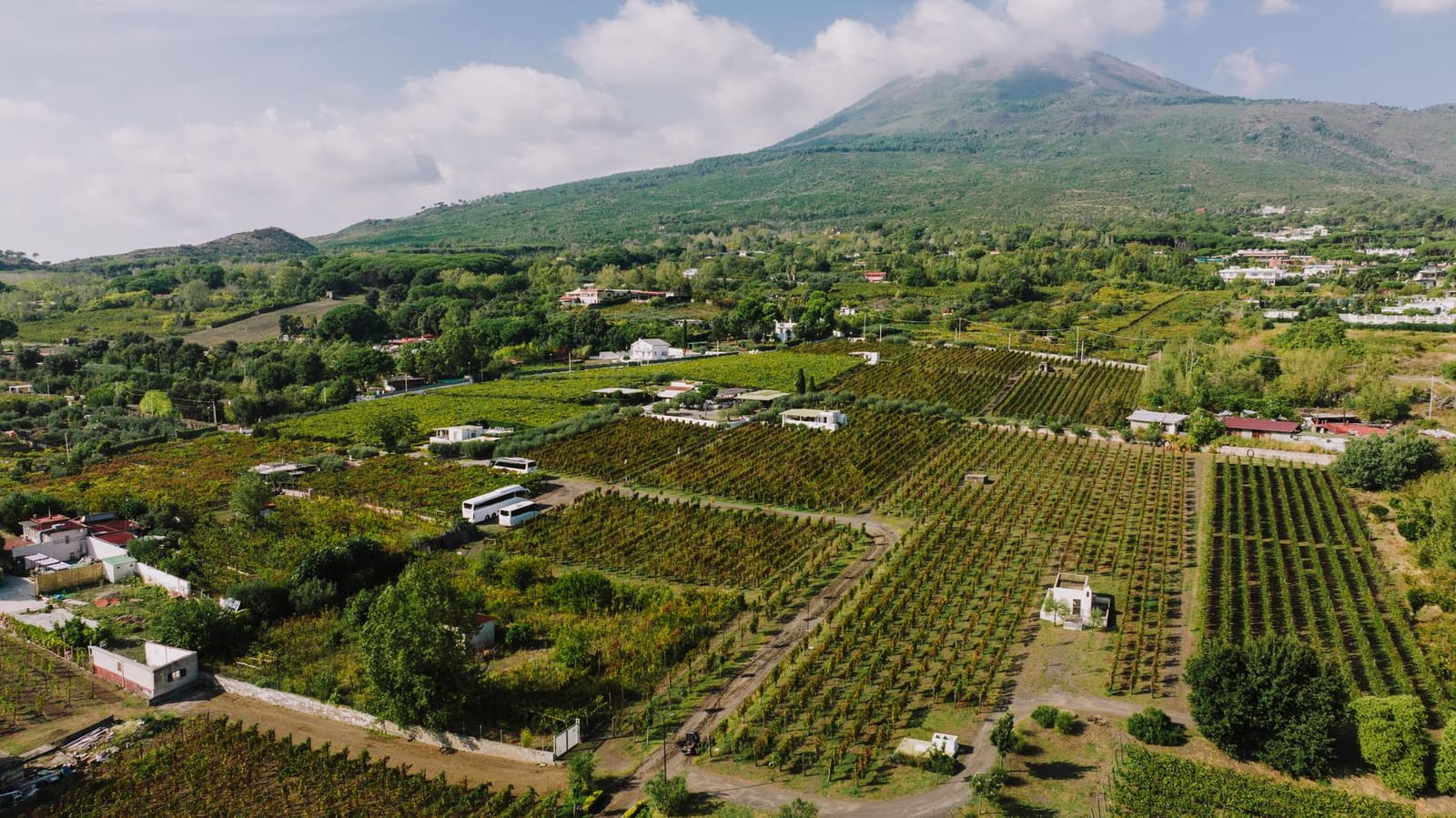
A $22 million wine project in Rwanda is planting what will become Africa’s highest vineyard, at 2,700 metres on the slopes of Mount Karisimbi.
The development, called Vinmusa, sits in the Virunga Highlands inside Volcanoes National Park, better known for gorilla trekking than wine. Its founders want to build Rwanda’s first appellation system, Rwanda Origin Control, and turn a tourist corridor built around one-day treks into a reason to stay longer. The hunt for new, cooler terroir has become its own trend in wine, from natural-wine fairs in New York to volcanic slopes like this one.
Planting began in September 2026, when the team put 150 Chenin Blanc vines into the ground at Kinigi, at 2,100 metres, timed to coincide with Kwita Izina, Rwanda’s annual gorilla-naming ceremony. A further 4,661 vines followed across three sites, with 28,000 more scheduled for next year.
A spreadsheet of feasibility data doesn't make wine — three years of harvests will.
The flagship plot, on Karisimbi itself, is the one expected to claim the altitude record. The founders surveyed 12 possible sites in the highlands before settling on three, each with its own mesoclimate.
A climate case for altitude
Feasibility studies by Vinpro, the South African wine industry body, found a mean annual temperature of 16.49°C in the Virunga Highlands, inside the 13-17°C range usually sought for cool-climate grape growing. An average daily swing of 11.11°C between day and night can help grapes hold on to acidity as they ripen. High rainfall, humidity and fungal disease pressure are the trade-offs.
Founders Andrés de la Roche, Liam T. Dall and Michelle Ressler assembled South African specialists through Vinpro, including viticulturist Gert Engelbrecht and winery engineer Gerard de Villiers, known for work on the Cape estates Babylonstoren and Delaire Graff. Philip Jonker, a fourth-generation winemaker at Weltevrede, is designing the winery, building on earlier work fitting out a shipping-container winery for small growers in Uganda.
Gorillas on the label
De la Roche and Dall came to viticulture sideways. Dall’s work with survivors of the Rwandan genocide first brought him to the country, and he and de la Roche later invested in Virunga Mountain Spirits, a distillery in Kinigi. The vineyard idea grew out of the land next door. “Everyone’s been sceptical about wine-growing here,” de la Roche said. “Well, show me the data that says you can’t.”
The first bottling, a traditional-method sparkling Chenin Blanc, will be named Poppy, after one of the park’s best-known gorillas. “She was David Attenborough’s favourite, Dian Fossey’s too,” de la Roche said, “and it’s the perfect name for a sparkling.” Most of Vinmusa’s projected income is set to come from hospitality, aimed at travellers who currently fly in for a trek and leave the same day.
The vines will take roughly three years to produce a usable harvest. Until then, Vinmusa is a bet backed by South African expertise and a temperature chart, not yet a wine.