Chicken yassa recipe: Dakar NOLA's Senegalese braise
Lemon, mustard and a mountain of caramelized onions: the chicken dish chef Serigne Mbaye grew up on, now served at his newly Michelin-starred Dakar NOLA in New Orleans.
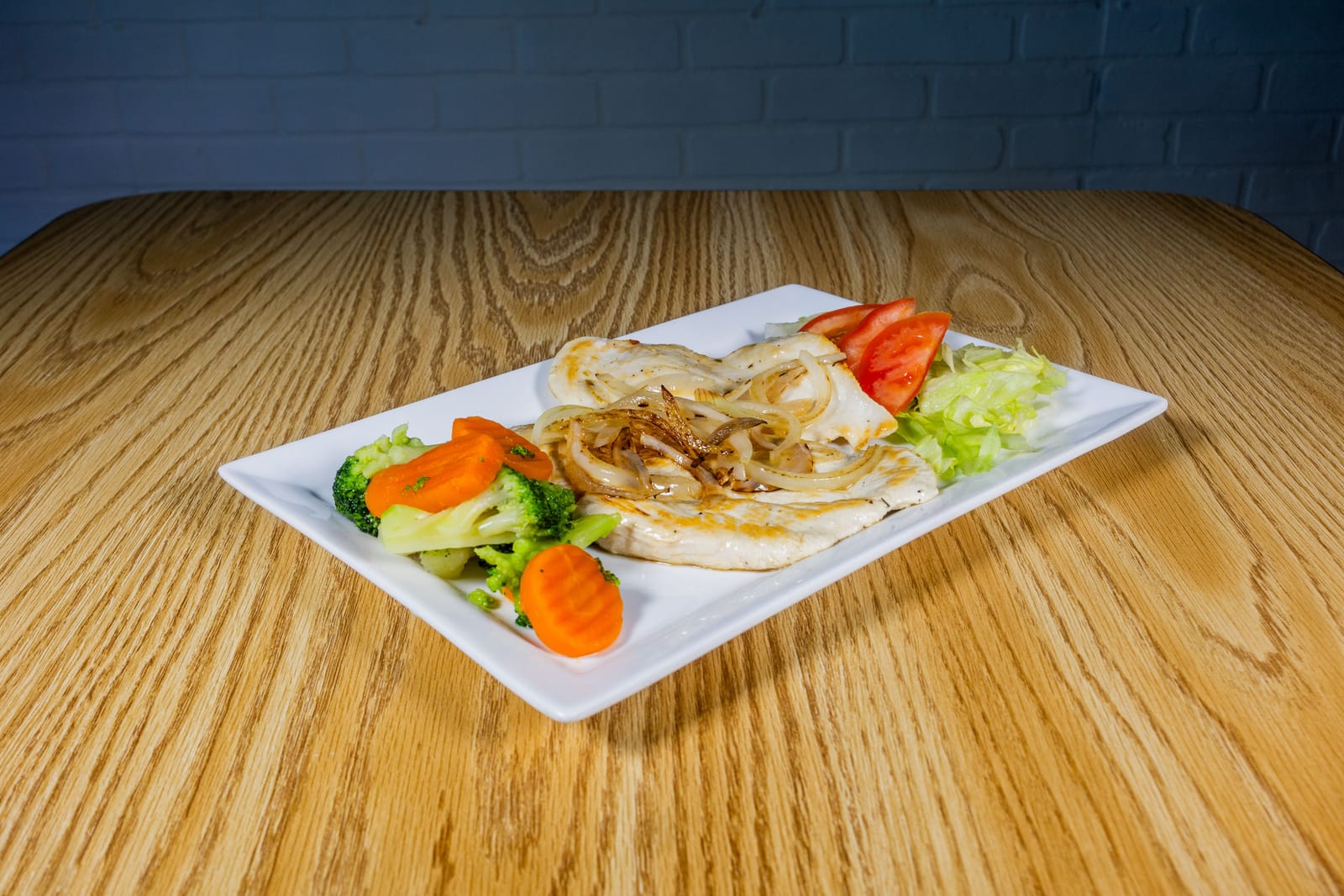
Chicken yassa recipe: lemon, mustard and a full harvest of onions go into this Senegalese braise, the dish chef Serigne Mbaye of Dakar NOLA in New Orleans learned from his mother.
Yassa is one of Senegal's national dishes, built on a marinade of lemon juice, mustard and sliced onion that both tenderizes the chicken and becomes its sauce. Mbaye cooks Senegalese food filtered through Louisiana at Dakar NOLA, which earned New Orleans' newest Michelin star this month; he has said his standard in the kitchen comes from his mother, who ran her own restaurant in Senegal and cooked yassa throughout his childhood.
The version below follows the classic home method: a long lemon-mustard marinade, a hard sear for the skin, then a slow braise under a mountain of onions until they collapse into the sauce.
Yassa proves a marinade can do a braise's work twice over.
Ingredients
- 4 chicken leg quarters, skin on
- 4 large yellow onions, halved and thinly sliced
- 120 ml fresh lemon juice, about 4 lemons
- 60 ml neutral oil, plus 1 tbsp for searing
- 2 tbsp Dijon mustard
- 4 garlic cloves, crushed
- 1 scotch bonnet or habanero chilli, pricked whole (optional)
- 2 bay leaves
- 1 tsp salt, plus more to taste
- 350 ml low-salt chicken stock
- Black pepper, to taste
- Steamed white rice, to serve
Method
- Combine the sliced onions with the chicken in a large bowl. Whisk together the lemon juice, oil, mustard, garlic and salt, pour over, and massage it through. Cover and refrigerate at least 3 hours, ideally overnight: the acid and mustard break down the meat's surface so the braise finishes tender rather than stringy.
- Lift the chicken out, pat it dry, and set the onions and marinade aside separately. Dry skin browns; wet skin only steams.
- Heat 1 tbsp oil in a heavy pot over medium-high heat. Season the chicken and sear in batches, skin side down first, until deeply golden, about 4 minutes a side. Set aside and spoon off all but a tablespoon of fat.
- Tip the marinated onions into the pot and cook over medium heat for 8-10 minutes, stirring often, until they soften and start to catch color: this is where most of the dish's sweetness comes from.
- Pour in the reserved marinade, nestle the chicken back in skin side up, add the stock, bay leaves and chilli if using, and bring to a simmer. Cover and cook on low heat for 45 minutes.
- Uncover and simmer a further 15-20 minutes so the sauce reduces and the onions collapse into it. Taste and adjust the salt, then discard the bay leaves and chilli.
- Serve over steamed rice, with the onions and sauce spooned generously on top.
A dish that travels
Mbaye has pointed to yassa's onion-and-rice logic as a close cousin of Louisiana staples such as jambalaya, carried across the Atlantic by the same histories that connect Senegal and the American South. Swap the chicken for firm white fish fillets, seared rather than braised, for a version just as common on Senegalese tables.
Can chicken yassa be made ahead? Yes: the onions and sauce taste better the next day, so cook it in advance, cool and refrigerate, then reheat gently before serving.
Pour a crisp, high-acid white wine alongside it, such as a Loire sauvignon blanc, to match the lemon in the sauce.