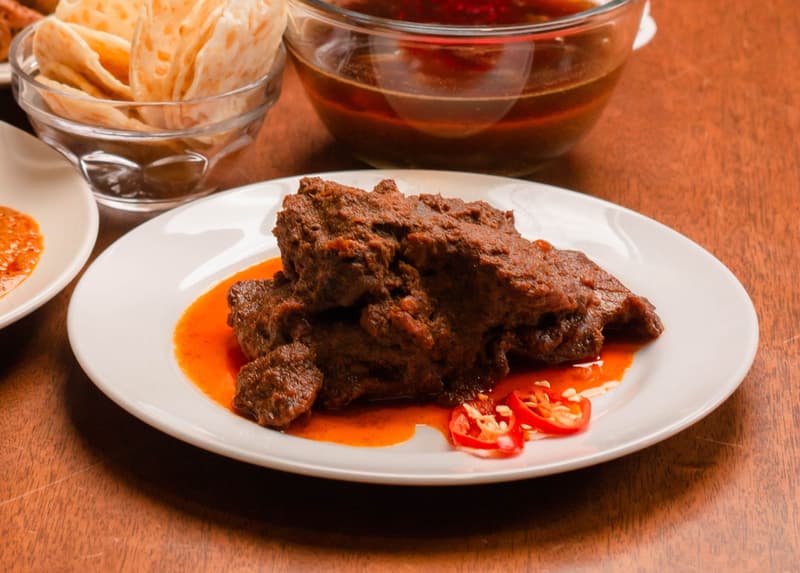
Civet de chevreuil recipe: France's hunting-season classic
Civet de chevreuil braises venison in red wine, then finishes the sauce with liver and cream instead of flour, the way French hunting country still does it.
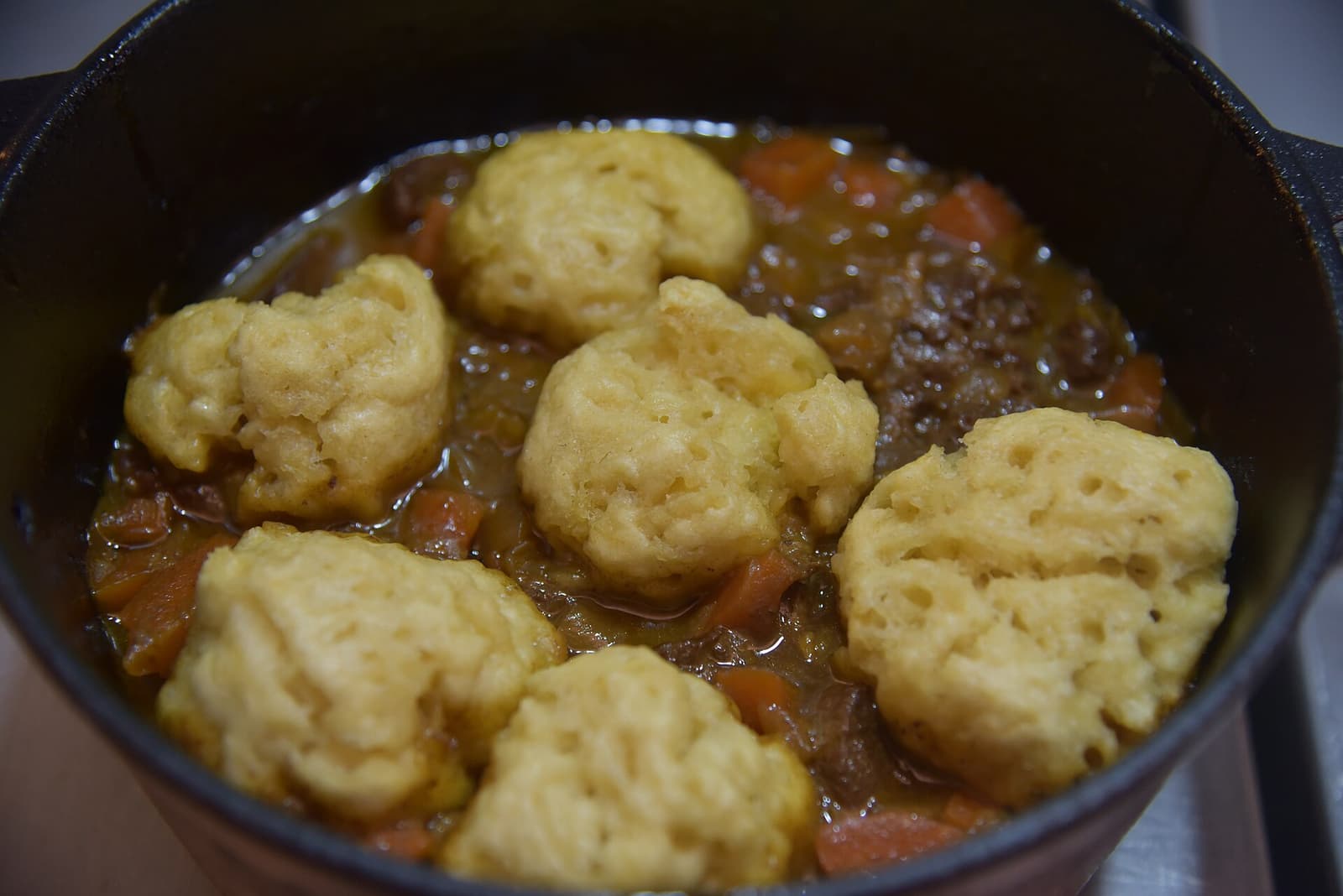
Civet de chevreuil braises venison in red wine overnight, then thickens the sauce off the heat with liver and cream instead of flour, the step that separates a civet from an ordinary stew.
The dish comes from French hunting country, recorded by Auguste Escoffier in Le Guide Culinaire and served each autumn around Sologne, when partridge and other game birds also arrive in kitchens. Civet is its own category of French stew: game marinated and braised in wine, then finished with blood or liver rather than a roux. Fresh blood spoils fast, so most cooks now use liver and cream instead, which thickens the sauce the same way.
Ingredients
The sauce turns glossy the moment liver, not flour, meets the pot off the heat.
- 1.2kg venison shoulder, cut into large chunks
- 750ml full-bodied red wine
- 1 onion, quartered
- 1 carrot, sliced
- 2 garlic cloves, crushed
- 6 juniper berries, crushed
- 2 sprigs thyme
- 1 bay leaf
- 2 tbsp plain flour
- 2 tbsp butter
- 100g smoked bacon lardons
- 12 pearl onions, peeled
- 200g button mushrooms, halved
- 300ml beef or game stock
- 100g chicken livers, trimmed
- 3 tbsp double cream
- 1 tbsp red wine vinegar
- Salt, black pepper
Method
- Combine the venison, wine, onion, carrot, garlic, juniper, thyme and bay leaf in a non-metal container and marinate in the fridge for at least 12 hours, ideally 24 — the wine breaks down connective tissue before any heat is applied, which is why civet turns tender rather than stringy.
- Lift out the meat and pat it dry; strain and reserve the marinade. Dust the venison in flour and brown it in batches in the butter over high heat, so a crust forms instead of the meat steaming in its own liquid.
- In the same pot, render the bacon until golden, then colour the pearl onions and mushrooms in the fat for a few minutes.
- Return the venison to the pot with the reserved marinade and stock. Bring to a bare simmer, cover and cook on low heat for about two and a half hours, until the meat gives easily to a fork — a gentle simmer keeps the sauce intact while the fibres soften.
- Blend the chicken livers with the cream and vinegar until smooth. Take the pot off the heat and stir in the mixture until the sauce turns glossy — boiling it now would curdle the liver into grains instead of a silky sauce.
- Rest the civet a few minutes before serving, so the sauce settles around the meat rather than pooling under it.
Why blood used to finish the sauce
The original civet used the animal's blood instead of liver, stabilised with vinegar so it would not clot before reaching the pot. It gave the sauce more shine, but blood spoils fast, which is why liver and cream became standard even in French kitchens. Serve it the way Burgundy serves its long-braised beef: with buttered noodles or mash, and a red with enough grip for the game, such as a Côtes du Rhône or a mature Pinot Noir.
Can beef stand in for venison? Yes: use the same weight of beef shin and keep the marinade time, though the sauce tastes milder without venison's iron edge.