Payesh recipe, the Bengali rice pudding worth the stirring
Gobindobhog rice simmered slowly in milk until it collapses into a loose, fragrant pudding, cardamom and nuts folded in right at the end.
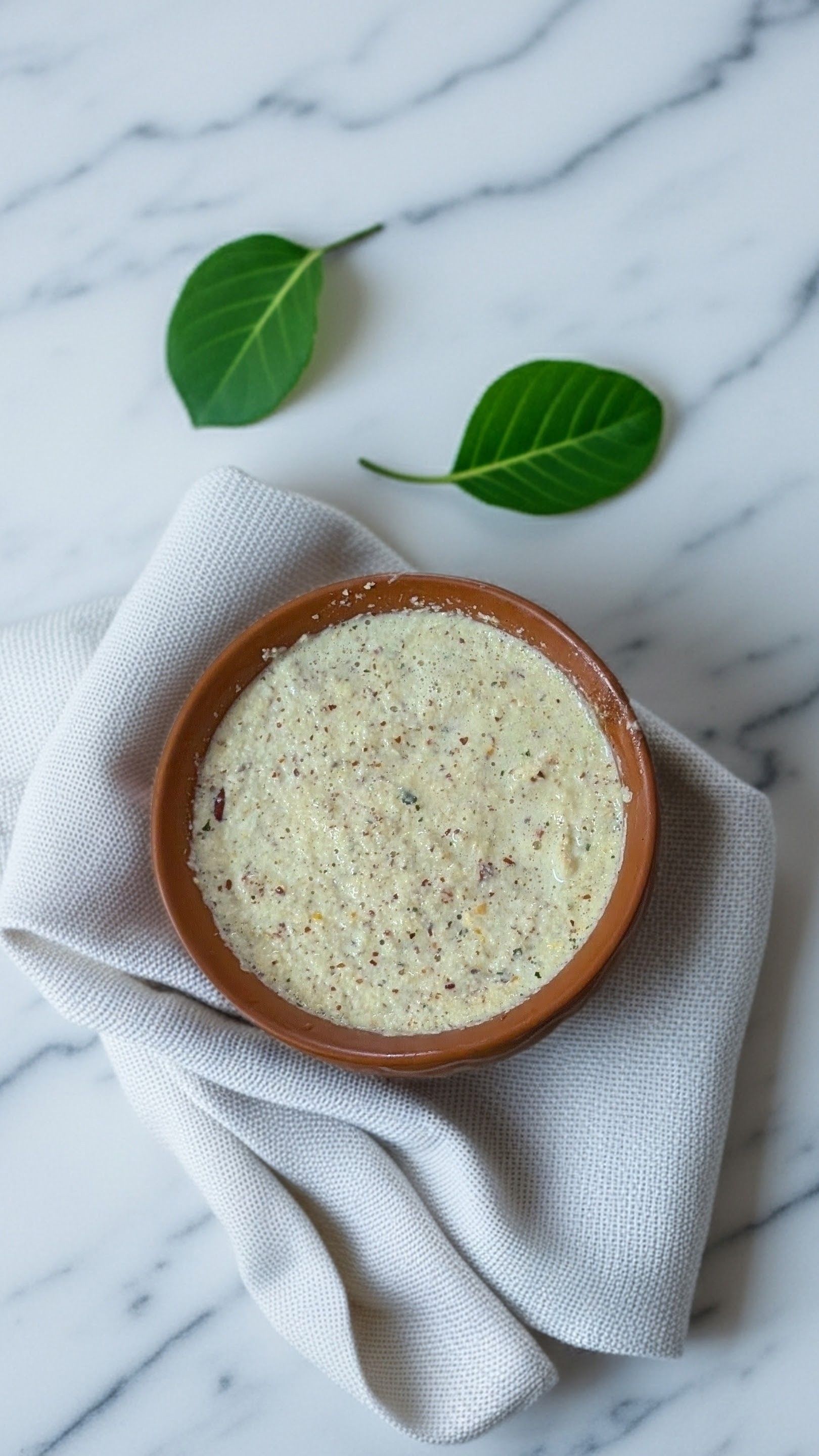
Payesh is a Bengali rice pudding made by simmering short-grain rice in milk until it breaks down into a loose, fragrant pudding, finished with cardamom, nuts and a little ghee.
It is the dessert most West Bengali households make for a birthday, a first solid food, or a festival like Durga Puja, and it is the dish chef Romy Gill has named as one of her own favourites, discussed in Olive Magazine around the launch of her regional Indian menu at The Pem in London. Traditionally it uses gobindobhog rice, a short, sticky grain grown in West Bengal; a good short-grain rice, such as arborio, is the closest substitute outside India.
Ingredients
Sugar goes in last, or the rice never fully softens.
- 1.5 litres whole milk
- 75g gobindobhog or another short-grain rice, rinsed
- 100g sugar
- 4 green cardamom pods, lightly crushed
- 1 bay leaf
- 20g cashews, roughly chopped
- 20g raisins
- 1 tsp ghee
Method
- Bring the milk to a gentle boil in a heavy-based pan, then lower the heat so it just simmers. A heavy base stops the milk catching as it reduces over the next half hour.
- Add the rinsed rice and bay leaf. Stir every few minutes rather than constantly; the point is to stop a skin forming and sticking, not to agitate the rice.
- Simmer for 30-35 minutes, until the rice has broken down and the milk has thickened into a loose, pourable custard. It will thicken further as it cools, so stop before it looks fully set.
- Stir in the sugar only now. Added earlier, sugar toughens the starch in the rice and the pudding never fully softens.
- In a small pan, warm the ghee and fry the cashews and raisins for a minute until the cashews colour and the raisins puff up. Stir them through the pudding with the crushed cardamom.
- Remove the bay leaf and serve warm, or chilled for a firmer set.
Serve it the way Bengali households do
Payesh is eaten on its own, not plated as a composed dessert, in a small bowl with a spoon. Leftovers thicken considerably in the fridge; loosen with a splash of warm milk rather than adding water, which dilutes the flavour. Romy Gill's regional Indian menu opens at The Pem in London this autumn, built on the same repertoire of home cooking this pudding comes from.
Sources
- Olive Magazine · 2026-08-01
- The Caterer · 2026-06-09