Mold-aged sushi restaurant Sushi Toka opens in Osaka
Chef Taniguchi and researcher Papi-Cheru pair mould ageing with tuna at an eight-seat Kitashinchi counter, serving fish cut at different stages of ageing side by side.
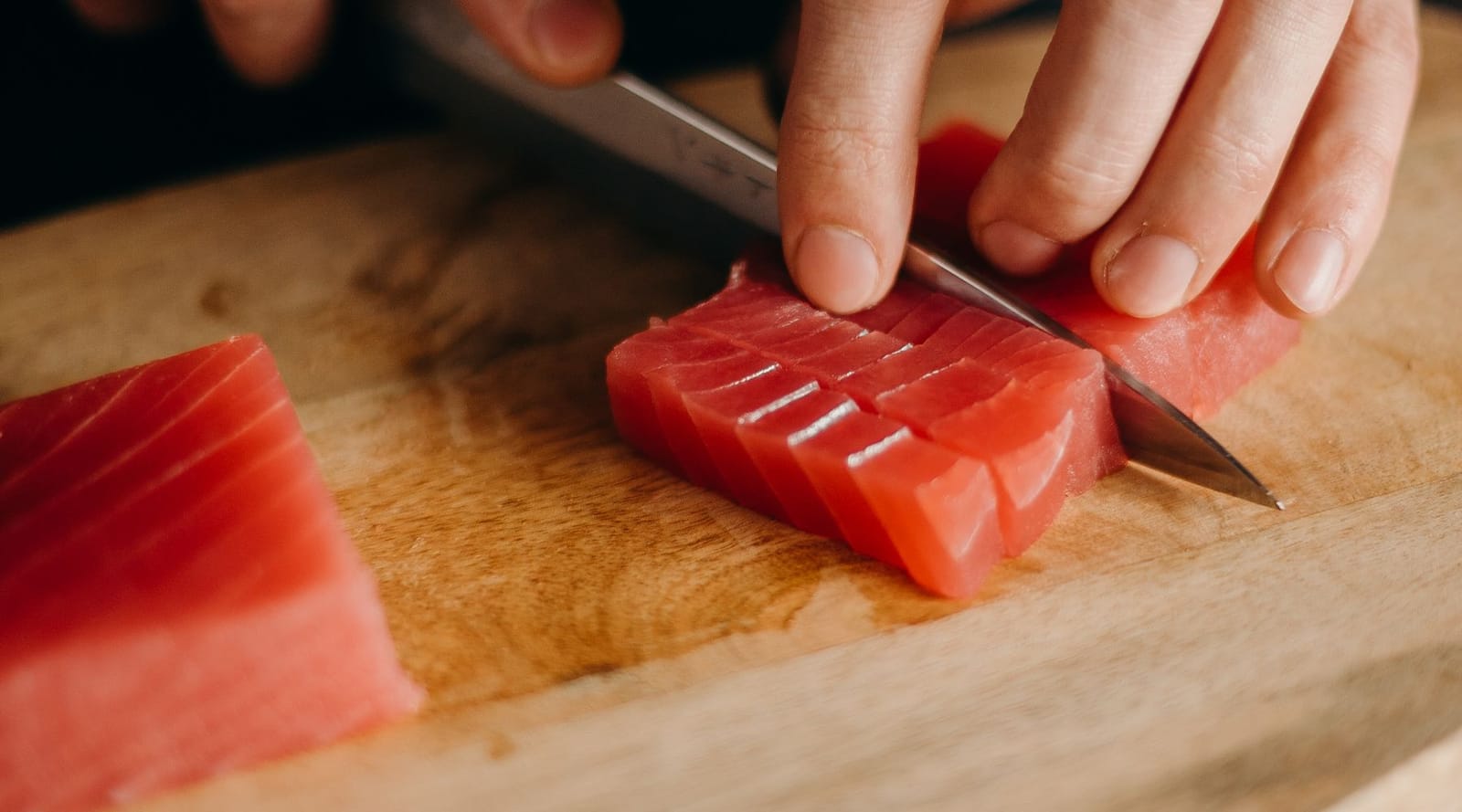
Sushi Toka, a new mould-aged sushi counter, opens in Osaka's Kitashinchi district on October 31, built entirely around tuna left to age for days under controlled temperature and humidity.
The eight-seat restaurant sits on the third floor of the YAMANA K2 building in Sonezaki-shinchi, a short walk from Ōebashi station, in a Kitashinchi dining district covered in AMUSE's guide to Osaka's food scene. Reservations run through TableCheck, and the average spend is ¥20,000 a head, according to the opening announcement from operator Kibus Inc, a Kyoto-based company.
A menu built around one fish
Eight seats, one fish, and a bet that ageing times matter as much in sushi as they do in beef.
Chef Taniguchi, who trained at Kyoto's Saeki, developed the format with Papi-Cheru, a researcher who specialises in mould ageing. Their pitch, printed on the restaurant's own materials, is blunt: age the tuna, draw out its umami.
Mould ageing works by holding a cut of fish at controlled temperature and humidity over a set number of days, which breaks down proteins to concentrate flavour and soften texture, the same principle behind dry-aged beef. Sushi Toka plans to serve tuna aged for different lengths of time side by side, so diners can taste how the fish changes piece by piece.
Other fish will join the menu over time, though the restaurant's own materials single out tuna as the opening focus. No itemised course menu has been published; the ¥20,000 average covers the full counter experience, from the first cut to the last piece.
Two seatings a night, closed Sundays
The restaurant runs two seatings on weeknights, 18:00 to 20:15 and 20:45 to 23:00, and the same split on Saturdays from 17:00 to 19:15 and 19:45 to 22:00. It is closed on Sundays, and bookings open through TableCheck.
Dry-ageing techniques have spread through Japan's high-end sushi counters over the past decade, mostly through kombu curing and controlled refrigeration rather than mould, as seen at spots like Sushi Kaiseki Okuno in Tokyo. Sushi Toka's bet is that naming the process and building a narrow menu around it will draw diners who already track the ageing times on a steak.
Kibus Inc is offering press tastings ahead of the October 31 debut, framed in the announcement as a chance to taste the ageing process rather than a standard menu preview. Whether an eight-seat counter built around a single technique can hold a crowd past its opening month, in a neighbourhood already dense with sushi counters, is the harder question.