Chilean cherries face spring rain ahead of a record crop
The USDA expects Chile to grow 727,000 tonnes of cherries this season, but a strong El Niño is bringing rain and wind to central Chile just as the orchards flower.
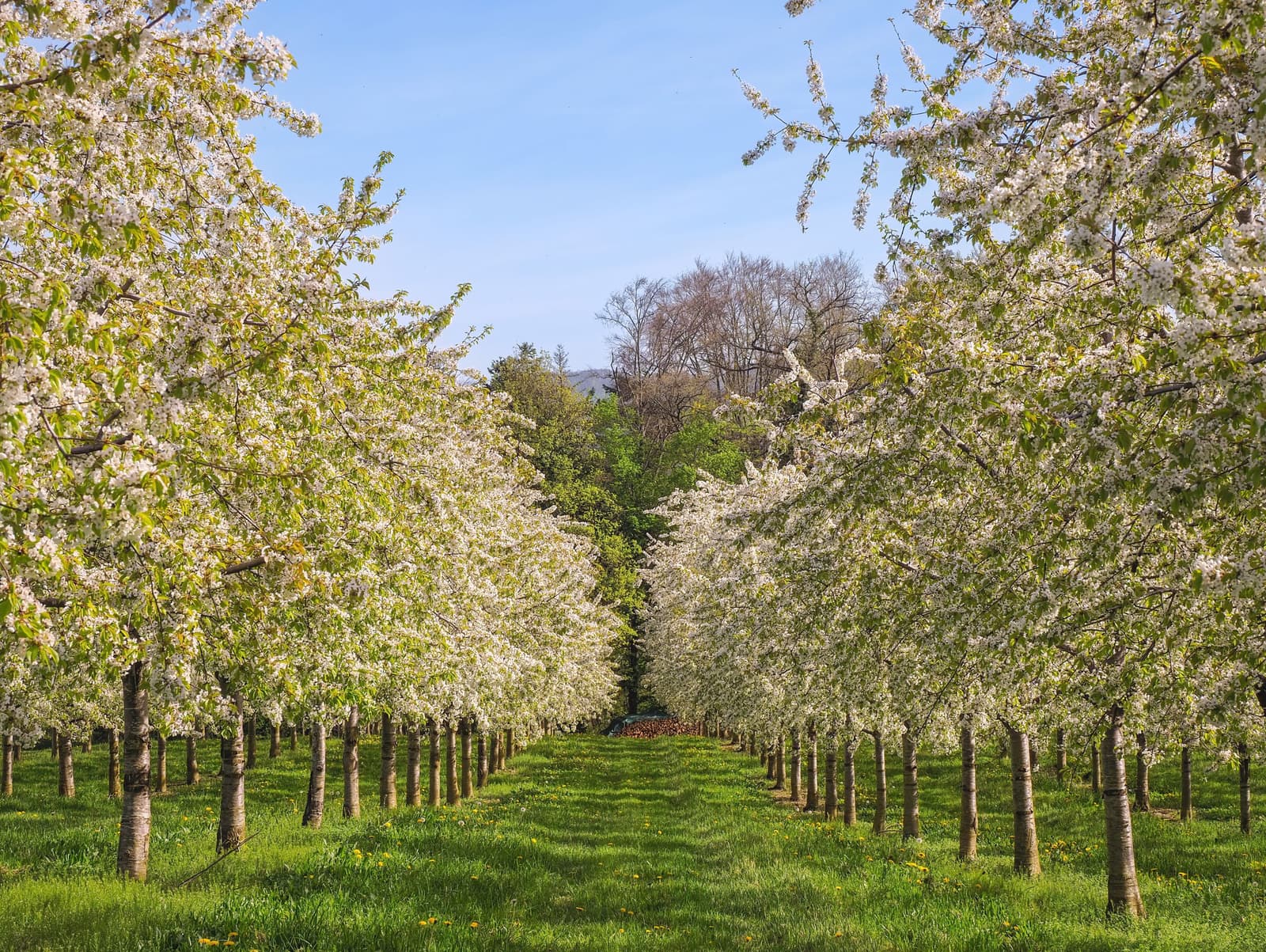
Chilean cherries are heading for what the US Department of Agriculture expects to be a record 2026/27 crop, but spring rain driven by a strong El Niño now threatens the blossom that crop depends on. Agroclimatologists at the University of Talca warn that wet, windy weeks followed by heat could strip blossom and split fruit.
In its September report on world cherry markets, published on 24 September, the USDA's Foreign Agricultural Service forecast Chilean production at 727,000 tonnes, up from 631,000 tonnes last season and above the previous high of 684,000 tonnes in 2023/24. Exports are projected to rise by 80,000 tonnes to 650,000 tonnes, and most of the extra fruit is expected to go to China, whose imports are forecast to climb 12% to 560,000 tonnes.
The industry's own count points the same way. Frutas de Chile, the association of growers and exporters, presented a preliminary estimate of up to 132 million five-kilo boxes at a cherry workshop in China on 2 September, and will revise the figure in mid-October.
A record written in September still has to survive October.
Spring rain reaches Chilean cherries in bloom
Southern-hemisphere spring began on 22 September, bringing the first fronts. Patricio González Colville, an academic at the university's Research and Transfer Centre for Irrigation and Agroclimatology (CITRA), said rain accompanied by wind can damage the flowering, make the blossom drop and spoil the physiology and quality of the fruit. For the Maule region, one of the country's main cherry areas, the forecast was 20 to 25 millimetres from a warm atmospheric river.
Cherries are the most exposed. When humid spells alternate with warm days in October and November, the fruit absorbs water and cracks, and cracked cherries fail export standards. In apple orchards and vineyards the same combination favours fungal diseases such as botrytis and venturia, which means more spraying and higher costs. González, who places El Niño in the "strong" category, urged growers to follow the forecasts week by week.
A record crop in a crowded market
Chile still depends heavily on one buyer: China and Hong Kong took 87% of its cherry exports in 2025, the lowest share in about eight years, according to Frutas de Chile, while shipments to other markets rose 27% to 74,535 tonnes.
The USDA also expects record crops this season in three of the four largest producing countries, China, Turkey and Chile, lifting world output by 17% to about 5.4 million tonnes. More fruit everywhere leaves less room for boxes that arrive split or soft after a long sea voyage. The same El Niño has already forced Peru to cut its blueberry export forecast again this season.
Frutas de Chile's October revision will be the first made with the blossom's fate known. Until then, the record exists only on paper.
Sources
- USDA Foreign Agricultural Service — Fresh Peaches and Cherries: World Markets and Trade (September 2026) ·
- El Mostrador — Floración en riesgo: lluvias y vientos podrían afectar la producción de frutales (CITRA, Universidad de Talca) ·
- FreshFruitPortal — Spring rains threaten flowering and fruit quality in Chile ·
- Smartcherry — Cerezas chilenas proyectan hasta 132 millones de cajas para la temporada 2026/27 (Frutas de Chile) ·