World's tuna purse-seine fleet grows to 693 vessels
ISSF's annual snapshot finds more boats and more hold capacity than a year ago, even as tracking tools reach nearly the whole large-scale fleet.
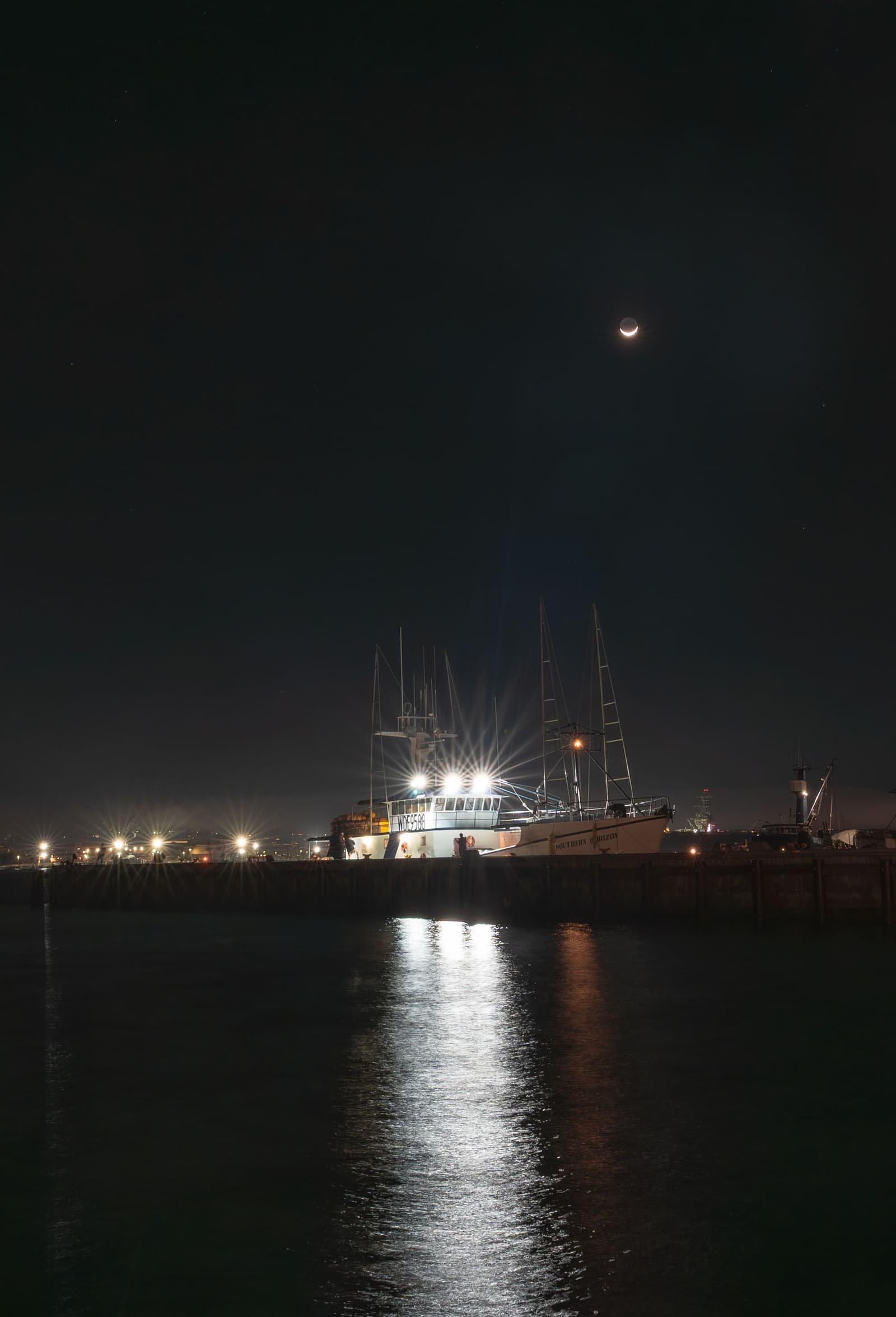
The world's large-scale tuna purse-seine fleet grew to 693 vessels in 2026, up from 675 a year earlier, according to a fleet snapshot the International Seafood Sustainability Foundation published on 24 September 2026.
The report tracks the vessels that catch most of the world's tropical tuna: skipjack, yellowfin and bigeye destined largely for canned and pouched product. Combined fish hold volume across the fleet rose to roughly 895,000 cubic metres, from about 865,000 the previous year, a gain of close to 3% on both measures.
ISSF has published the snapshot annually since 2012, drawing on vessel registries kept by the five regional bodies that manage tuna fisheries across the Pacific, Atlantic and Indian Oceans.
Regulators cannot enforce catch limits on boats they cannot reliably track.
Transparency still has gaps
Not every vessel counted discloses the same amount of information. Seventy-three percent of purse-seiners, representing 83% of total hold volume, are listed on the ProActive Vessel Register, a voluntary transparency database. A smaller share, 58% of vessels covering 69% of hold volume, also appear on a separate registry tracking participation in other sustainability initiatives.
One figure has moved further than most: adoption of IMO numbers, the shipping industry's permanent vessel identifiers, has climbed from 12% of the large-scale purse-seine fleet in 2011 to 99% today. An IMO number follows a vessel even if it changes name, flag or owner, making it harder for a boat linked to illegal fishing to simply re-register and disappear from watch lists.
ISSF separately tracks more than 7,200 longline vessels registered across the same five bodies, a fleet that targets tuna species including albacore and bluefin using baited lines rather than nets.
Growth against a sustainability push
A larger fleet and rising hold capacity cut against the industry's own stated direction, which has emphasised catch limits and stock recovery over the past decade. ISSF's data does not say whether the added capacity is being used to fish more intensively or simply to replace older, smaller vessels with fewer bigger ones.
The foundation, funded in part by tuna processors and retailers, has pushed vessel-level transparency as a precondition for sustainable management, arguing that regulators cannot enforce catch limits on boats they cannot reliably track. Ocean managers elsewhere face the same trade-off: the Mediterranean's 2027 fishing quotas proposal keeps existing trawler limits rather than tightening them, betting on enforcement over new cuts.