Feta prices in Greece set to rise by up to €2 a kilo
Sheep pox has cost Greece about 500,000 animals and 80,000 tonnes of milk. The feta trade body expects shop prices to move from €12-13 to €15-16 a kilo within two months.
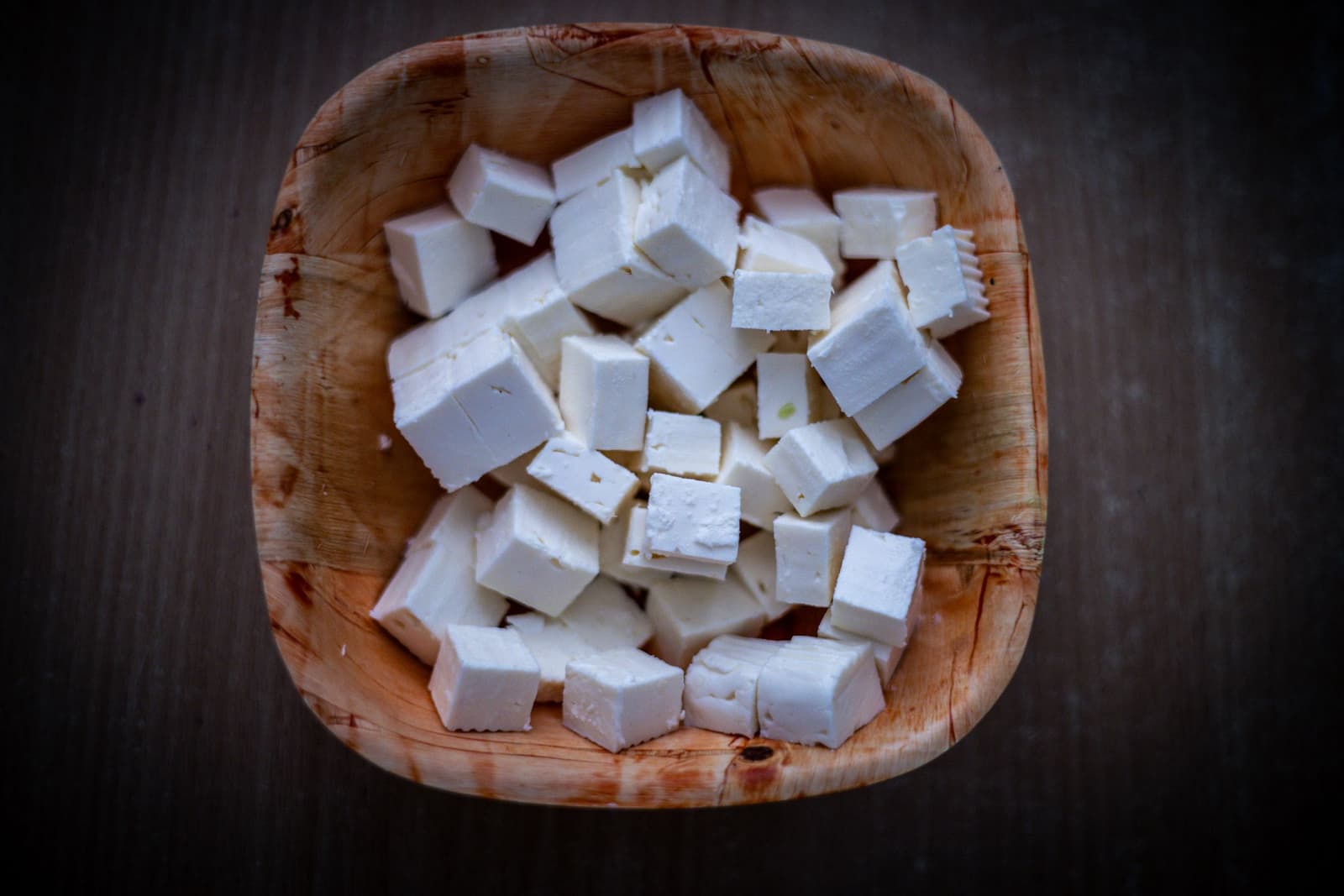
Feta prices in Greece are heading for €15-16 a kilo in the shops within two months, up from €12-13 today, according to Michalis Sarantis, president of the National Interprofessional Organisation of Feta (EDOF).
Sarantis gave the forecast in an interview with the public broadcaster's news channel ERTnews on 24 September. The rise in raw material alone adds €1 to €1.50 to every kilo of cheese, he said, and on the shelf the increase could approach €2, depending on the brand, the quality and whether the feta is sold pre-packed or cut from the barrel.
The pressure starts on the farm. Sheep farmers are asking for 15 to 25 cents more per kilo of milk than last year, and it takes about four litres of milk to make one kilo of feta.
Feta cannot be stretched with cow's milk, so the lost flocks go straight into the price.
Why feta prices are climbing now
Over roughly two years, close to 500,000 animals, mostly sheep, have died or been culled because of sheep and goat pox, according to EDOF. Greece has lost around 80,000 tonnes of sheep's milk as a result. Sarantis expects feta output to fall from about 140,000 tonnes a year to about 120,000, a drop of some 14%.
Feta has been a protected designation of origin since 2002 and must be made mainly from Greek sheep's milk, with goat's milk capped at 30%. Cheesemakers therefore cannot bridge the gap with cow's milk or imported curd without leaving the name behind. Proto Thema reported on 21 September that a recovery to pre-epidemic flock sizes would take at least two years.
Exports take three quarters of the cheese
About 75% of Greek feta is sold abroad and 25% at home, and exports are still growing by 6-7% a year. That leaves a smaller share of a smaller volume for the Greek market. Sarantis said on ERTnews that supply for Greek consumers is guaranteed through long-standing contracts between dairies and retailers, though he added that he cannot predict how supermarkets and cheesemakers will set their prices. Days earlier, Proto Thema had quoted him warning that stocks might not last until the end of 2026.
Retailers are already seeing some shoppers move to cheaper white brined cheeses, the same paper reported. Products made from cow's milk are not affected, Sarantis said, and some may even get cheaper.
It is the second Greek staple to make headlines this month, after Greek olive oil prices fell by half as the harvest began. Anyone planning baked figs with feta and honey this autumn should expect the cheese, not the figs, to be the expensive part.