Greek olive oil prices fall by half as harvest begins
Extra virgin oil trades at €3.90 to €4.20 a kilo at origin, against €9.50 at the peak. Growers say their costs have not followed, and Spain still sets the price.
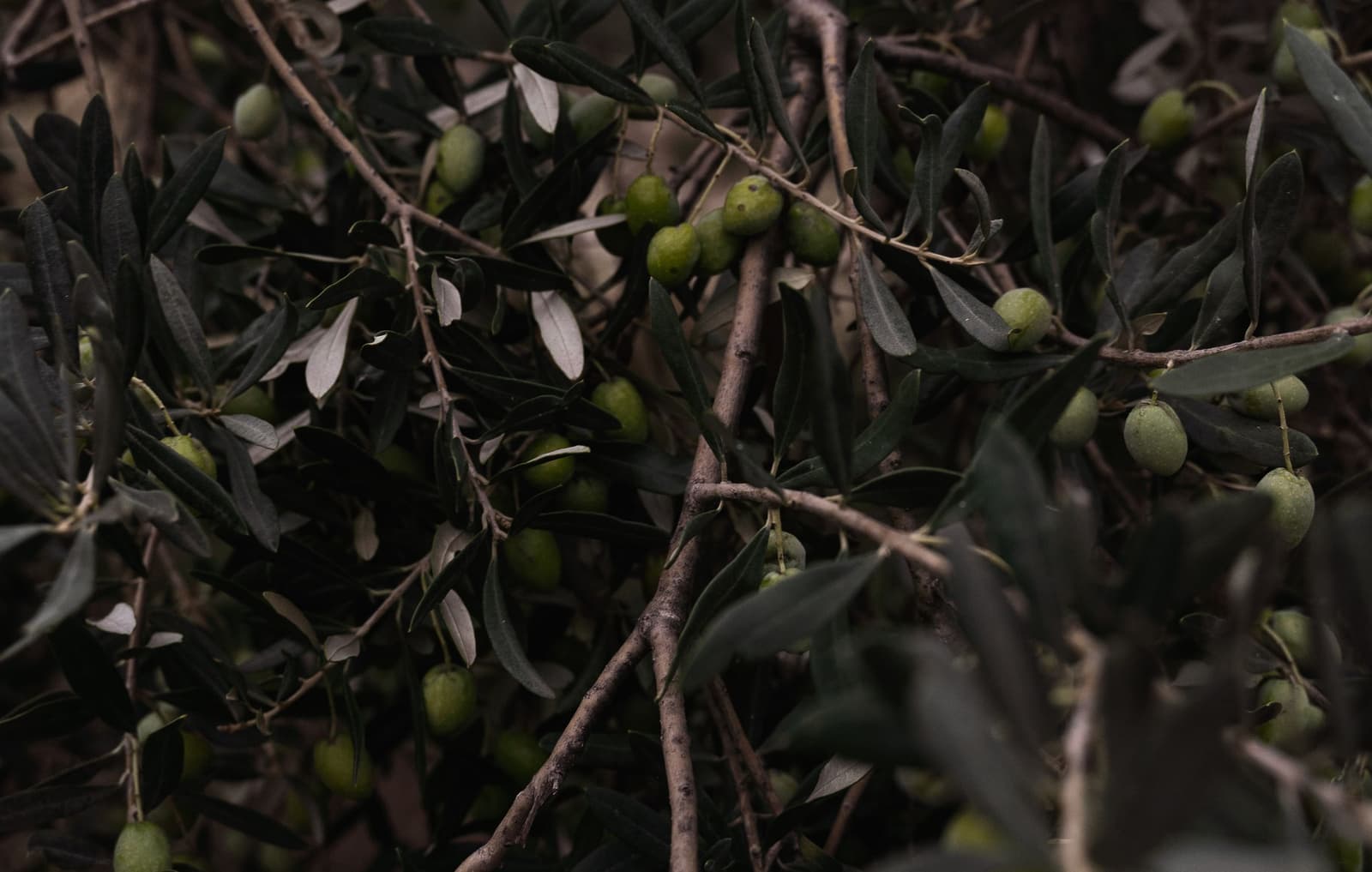
Greek olive oil prices have fallen by more than half from their peak as the 2026/27 harvest begins: good-quality extra virgin oil is changing hands at €3.90 to €4.20 a kilo at origin, against around €9.50 at the height of the crisis, according to figures reported by Capital.gr.
The first estimates put Greek production at between 280,000 and 330,000 tonnes, with 300,000 tonnes the most widely cited scenario. Manolis Giannoulis, president of the National Interprofessional Olive Oil Organisation, told Powergame.gr that if that volume is confirmed the producer price should hover around €4 a kilo, give or take 10%: a band of roughly €3.60 to €4.40.
Kostas Koutsioumpis, president of SEVITEL, the association of Greek olive oil packers, was more cautious. "If production is verified, we will also have a price reduction. How much, it is still too early to judge," he said, as quoted by Capital.gr.
Greek oil is cheaper again; the people who pick it are not.
Greek olive oil prices meet rising costs
The fall looks less comfortable from the grove. Capital.gr puts production costs at €3 to €3.50 a kilo for organised farms and €4 to €5 once all labour is counted. A day's picking now costs €60 to €80, against €30 to €35 five years ago, and workers are hard to find. In Spain, with more mechanisation and scale, the same kilo costs €1.70 to €2, according to the same report.
Shoppers have seen part of the correction. The olive oil price index of ELSTAT, the Greek statistics authority, fell from 240.15 points in July 2024 to 134.64 in August 2026, yet supermarket shelves still show €7.30 to €7.80 a litre. Nielsen figures cited by Capital.gr show retail sales up 20% in volume in 2025, to 17.3 million litres, and another 6% in the first eight months of 2026. Consumption per head, at 9.7 kilos, is about half what it was three decades ago.
Spain sets the price again
"The barometer is Spain," Giannoulis said. Spanish production, first expected at 1.8 million tonnes, has been revised to 1.4 to 1.5 million after a summer in which Andalusia reached 42 to 44 °C. In Jaén, the harvest has already started early, and the Spanish crop has kept olive oil prices at origin low for months.
The downside scenario is on the table too. Should Mediterranean output grow by another 500,000 to 700,000 tonnes, Greek City Times reports, producer prices could slide towards €2.50 a kilo, well below what most Greek growers say they need to break even. Cheaper oil on the shelf, in other words, may be paid for in the groves.