Pollica, home of the Mediterranean diet, named FAO Food Hero
The Cilento municipality where Ancel and Margaret Keys studied how the south of Italy ate is honoured as a whole community, seven weeks before the first UN day for the diet.
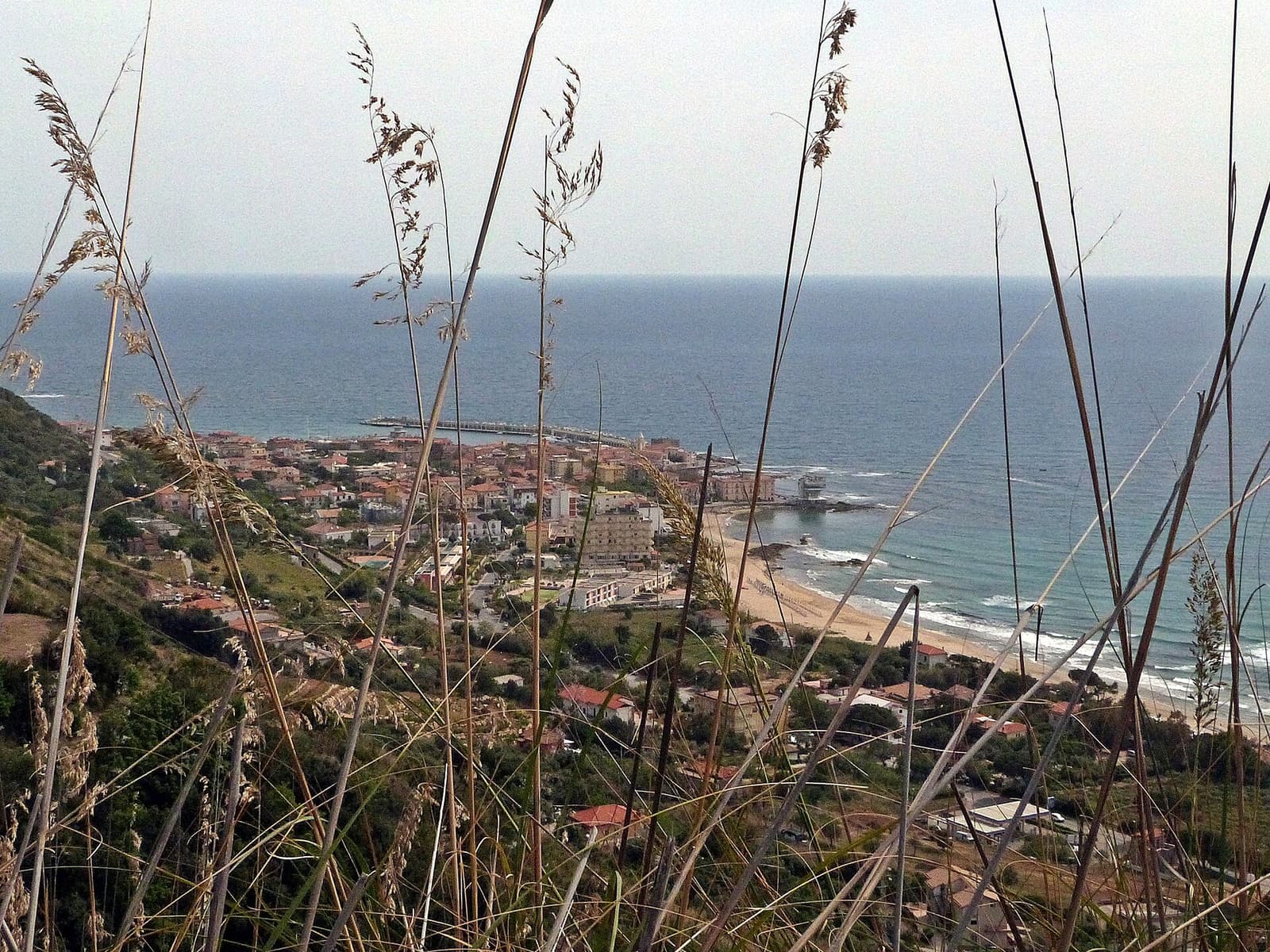
Pollica, the Cilento municipality where Ancel and Margaret Keys lived while studying what the world now calls the Mediterranean diet, has been named a Food Hero by the FAO. Maurizio Martina, the agency's deputy director-general, announced the recognition on 24 September in New York, ANSA reported.
The title goes to a whole community rather than to a single producer: fishermen, farmers, cooks, artisans, families, children, researchers and local institutions. Martina presented it at Food for Health • Food for Earth, a conference on the Mediterranean diet and public health organised by the Future Food Institute at New York University during UN General Assembly week. The FAO ties its Food Heroes to World Food Day, which falls on 16 October.
Pollica sits on the Cilento coast in the province of Salerno and takes in the seaside villages of Pioppi and Acciaroli. Travellers who reach it through Campania's capital can start with our guide to what to eat in Naples.
A title from the FAO changes no menu; what matters is what Pollica eats on an ordinary Tuesday.
Why the FAO chose Pollica
The Keys, the American researchers behind the first large studies linking diet and heart health, spent long stretches in Pioppi, and the village still builds its identity on that work. The FAO framed the award around the present rather than the archive: Pollica is recognised for practising the diet as a living system that ties food to health, biodiversity, land, culture and relationships between people.
Mayor Stefano Pisani said the recognition had extraordinary value precisely because it puts people and the community at the centre. Sara Roversi, president of the Future Food Institute, said Pollica shows how a territory can become a laboratory of transformation and how local heritage can speak to the world, Onu Italia reported. The diet has been on UNESCO's list of intangible cultural heritage since 2010, with Cilento among the communities named in Italy's part of the file.
Pollica and the first Mediterranean diet day
The timing is deliberate. On 18 December 2025 the UN General Assembly adopted an Italian-led resolution, backed by Croatia, Cyprus, France, Greece, Lebanon, Morocco, Portugal, San Marino, Spain and Tunisia, that created an International Day of the Mediterranean Diet on 16 November, with the FAO in the lead role. The first edition falls this year, and Pollica is set to take a leading part in it, ANSA wrote.
The diet's main ingredient is under strain in Italy too: Italian olive oil mills received €40 million in support as origin prices halved.
The title costs nothing and changes no menu. What it buys is attention until 16 November, when the real test will be whether the diet the Keys documented on this coast is still what its residents eat on an ordinary Tuesday.