Seadas recipe: Sardinia's fried cheese pastry with honey
Semolina pastry shortened with lard, a disc of young sheep's cheese and lemon zest, fried at 170°C and finished with bitter honey. A shepherds' dish from central Sardinia that became a dessert.
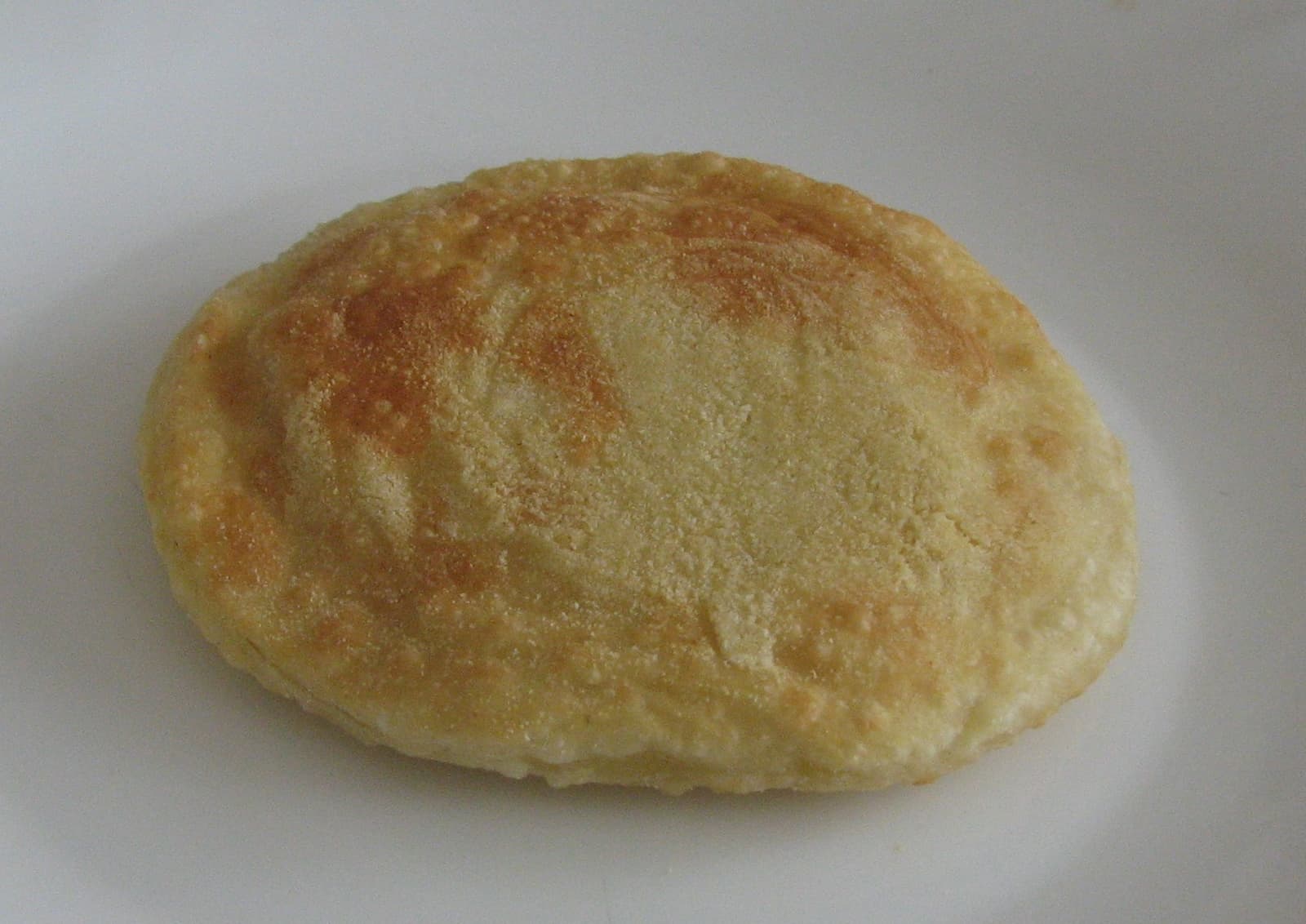
This seadas recipe follows the Sardinian pastoral original: a thin semolina pastry shortened with lard, wrapped around young sheep's cheese and lemon zest, fried until it blisters and served under warm, slightly bitter honey. The key is the frying temperature, 170°C, hot enough to crisp the pastry and gentle enough to let the cheese melt all the way through.
Seadas, or sebadas, come from the rural centre of the island. Sardinian food historians link the name to seu, the animal fat worked into the dough, and describe the dish as something prepared for shepherds coming home from transhumance: a filling plate rather than a sweet. The first written records date from the late 19th century; today they close meals across the island, including in several of the addresses that just entered the Michelin Guide in Sardinia.
Ingredients
Fry at 170°C: hot enough to crisp the pastry, gentle enough to melt the cheese.
- 300 g semola rimacinata (finely milled durum wheat semolina)
- 45 g lard, soft
- 1 pinch fine salt
- 130 ml warm water, approximately
- 360 g fresh young sheep's cheese or very young pecorino
- 1 unwaxed lemon, zest only
- 1 l sunflower oil, for frying
- 120 g strawberry-tree or chestnut honey
Method
- Rub the lard into the semolina and salt with your fingertips until the mix looks like wet sand. Coating the flour in fat keeps the pastry short and makes it blister in the oil.
- Add the water a little at a time and knead for 8 to 10 minutes until smooth and elastic. Wrap and rest for 30 minutes: semolina hydrates slowly, and the rest relaxes the dough so it rolls thin without shrinking.
- Grate the cheese coarsely, mix it with the lemon zest and press it into six discs about 8 cm wide. Chill for 20 minutes so they hold their shape and melt slowly.
- Roll the dough to 1.5 to 2 mm and cut twelve 12 cm rounds.
- Lay a cheese disc on six of the rounds, cover with the rest and press the edges hard from the centre outwards to push out the air, which would otherwise burst in the oil. Trim with a fluted cutter, leaving a 1.5 cm border.
- Heat the oil to 170°C and fry one or two at a time for 2 to 3 minutes a side, until pale gold and blistered. Hotter oil colours the pastry before the cheese has melted.
- Drain on paper, warm the honey without boiling it, pour it over and serve at once, while the cheese still stretches.
Cheese, honey and what to pour
The cheese matters more than anything else: it should be fresh sheep's cheese a few days old, soft and slightly acidic. Aged pecorino turns oily and salty in the heat. Strawberry-tree honey, miele di corbezzolo, is bitter enough to balance the richness; older versions used sugar instead.
A glass of Malvasia di Bosa or a Sardinian Moscato suits the plate. Seadas do not wait, so fry them only when everyone is seated.