Ghana Food Movement wins 50 Best's Champions of Change
The Accra non-profit, which trains cooks and schools in native ingredients, picked up the 2026 award tied to this week's World's 50 Best ceremony in Lima.
Ghana Food Movement has won the Champions of Change Award 2026, the World's 50 Best Restaurants prize for organisations working to fix broken food systems. The Accra-based non-profit was recognised alongside the main rankings announced at Wednesday's ceremony in Lima, Peru, where Spain's Asador Etxebarri took the top spot.
The award, sponsored by illycaffè, comes with a financial contribution to the group's programmes. Ghana Food Movement runs out of a hub called The Kitchen, which opened in Accra in 2024 and serves as a base for chefs, farmers, students and the wider community.
Its work spans several fronts. Food Fridays teaches children about local ingredients and how to cook with them. Ghana Plate, a pilot now running in ten schools, works with meal providers to swap imported staples for Ghanaian produce, with a nationwide rollout planned if funding holds. A culinary training programme developed with the Danish non-profit Melting Pot covers cooking technique, food waste management and sourcing from local growers.
The easiest way to communicate about issues with the food system is to serve them a delicious plate of something.
The longest-running initiative, Youth in Food, is a six-month training course that has operated for four years and connected more than 200 young people to jobs in the food sector. Cooking Masterclasses, farm visits and dining events such as Dine and Dance round out a programme built to put Ghanaian ingredients back at the centre of the plate.
A systems problem, served as food
“Our approach to the problem is systems-based. These dots are connected,” said Abdallah Smith, the organisation's co-managing director. He argues that food education, farmer income and public health in Ghana cannot be tackled separately. “The easiest way to communicate about issues with the food system is to serve them a delicious plate of something,” he said.
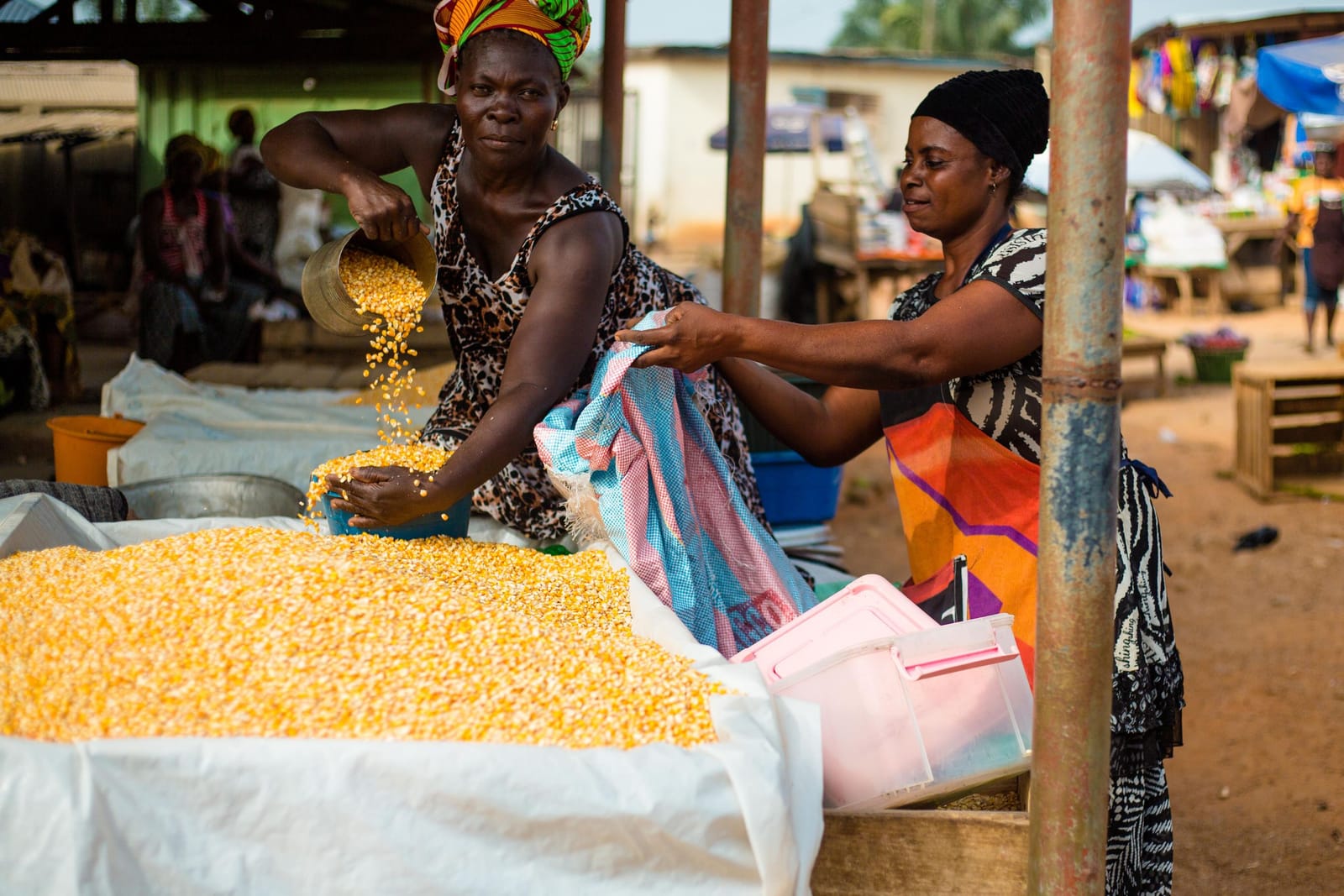
Creative director Lydia Kekeli Amenyaglo frames the mission partly as one of image. “We want people to think of West African food as joy,” she said, pushing back against a narrative that has too often cast the region's cooking as scarcity rather than abundance. Dishes built on cassava, millet, palm oil and smoked fish — or the smoky party staple behind AMUSE's own jollof rice recipe — are, in that telling, a point of pride rather than a fallback.
Funding remains the harder fight
Recognition has not solved the organisation's core problem. “Most grants will pay for a programme, but they don’t pay for growth. They don’t pay our salaries,” Amenyaglo said, a complaint familiar to food non-profits well beyond Ghana. The Champions of Change prize brings visibility and a one-off contribution, not a structural fix.
The award sits in a growing category at the 50 Best, alongside prizes for sommeliers, pastry chefs and hospitality, meant to widen a list long criticised for rewarding only fine dining's top table. For Ghana Food Movement, the test now is whether the spotlight translates into the kind of recurring funding that pays rent and salaries, not just one good headline.