What to eat in Turin: 9 dishes and where to find them
Turin invented vermouth and the bicerin, and still eats like it: hand-pinched agnolotti, bagna cauda by the trolley-load, chocolate pressed by hand. Nine real addresses, with 2026 prices.
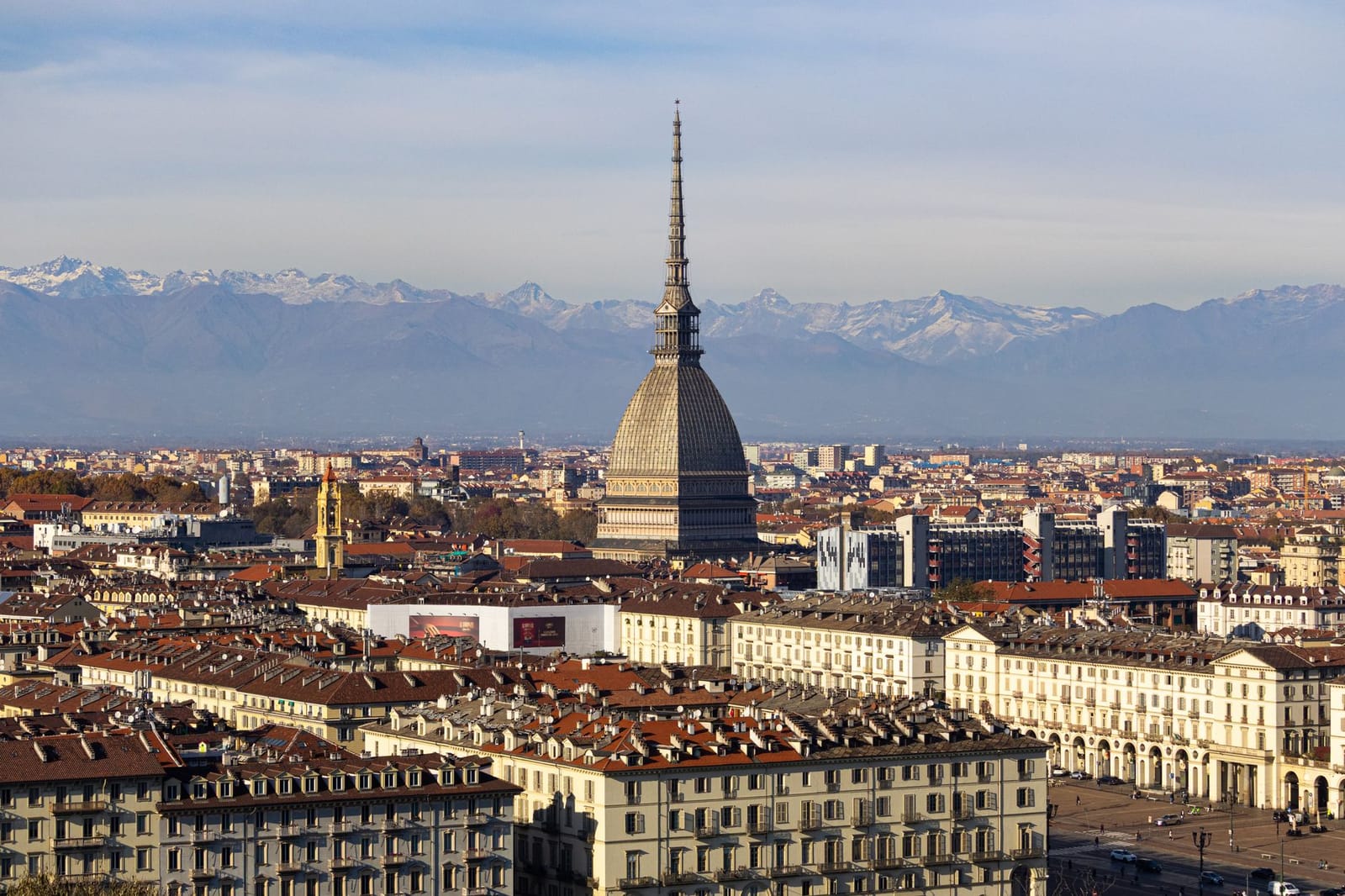
What to eat in Turin starts with a glass, not a plate. This is the city that invented modern vermouth and the layered bicerin, and it still treats food as something to make slowly: hand-pinched agnolotti, bagna cauda simmered for an afternoon, chocolate pressed by hand into gianduiotti. Skip the tourist menus around Porta Nuova station and head for the addresses below, where Piedmont's food culture runs on habit, not footfall.
Turin cooked for the House of Savoy for three centuries, and that court kitchen still shows in what to eat in Turin today: butter and cream instead of olive oil, veal and rice rather than fish, dishes built to take all day. Antonio Benedetto Carpano invented vermouth here in 1786, and the aperitivo that followed — a drink, something salty, served free alongside it — was a Turin export long before it became an Italian cliché. When Napoleon's blockade cut off cocoa, local chocolatiers stretched it with hazelnuts from the surrounding hills, and gianduia was born.
The Slow Food movement has its roots nearby too, founded an hour south in Bra by Carlo Petrini in 1986, and white truffle from Alba turns up shaved over pasta from October. None of this is folklore for tourists — it is what Torinesi eat on an ordinary Tuesday.
Turin does not perform its food culture for visitors. It just keeps doing what it was already doing.
For the tables to book once you know what to order, from Del Cambio to the city's best trattorie, see our shortlist of the best restaurants in Turin.
Bicerin at Caffè Al Bicerin, Quadrilatero
The bicerin is a small glass of layered espresso, drinking chocolate and whipped cream, built so the layers stay separate — no spoon, no stirring. The name is Piedmontese dialect for "small glass."
This café, open since 1763 facing the Santuario della Consolata, is generally credited with giving the drink its modern form. Piazza della Consolata 5. A bicerin costs around €6-7; go before 10am, before the marble tables fill.
Tramezzino and vermouth at Caffè Mulassano, Piazza Castello
The crustless, triangular tramezzino — usually tuna, egg, or ham and butter — is widely credited to this tiny café, where it first appeared on the counter in 1926. Order a few with a glass of the house vermouth and you have Turin's aperitivo in its original form.
The room is barely bigger than its own bar, all dark wood and brass from the 1920s, steps from the Palazzo Reale. Turin's weight in Italian hospitality is current, not just historical: Michelin Italia recently moved its sales headquarters here. Piazza Castello 15. Tramezzini run €3-4 each, vermouth €6-8 a glass.
Agnolotti del plin at Trattoria Fratelli Bruzzone, via Maria Vittoria
Agnolotti del plin are small pasta parcels pinched shut by hand — plin means "pinch" in Piedmontese — stuffed with leftover roast meats and dressed plain, in butter and sage or a light jus, never tomato. Bruzzone has made them to one family recipe for more than a hundred years: not novelty, but a version nobody has felt the need to improve. Via Maria Vittoria 34/a. A plate costs roughly €14-18.
Bagna cauda at Antica Bruschetteria Pautasso, Quadrilatero
Bagna cauda is a hot dip of garlic and anchovies melted slowly in olive oil and butter, kept warm at the table while raw and cooked vegetables — cardoons, peppers, cabbage, potatoes — get dragged through it. It is loud, communal eating, closer to fondue than anything else Piedmont is known for.
Pautasso serves both a garlic-forward version and a gentler one, and the dish anchors a civic calendar: Bagna Cauda Day runs city-wide every late November. Our own bagna cauda recipe from neighbouring Asti covers the technique at home. Piazza Emanuele Filiberto 4. A set menu runs €16-22 per person.
Vitello tonnato at Del Cambio, Piazza Carignano
Vitello tonnato is thin-sliced cold veal under a sauce of tuna, capers and anchovy — rich and sharp rather than fishy, and a clear sign of the Savoy court's taste for cold, composed dishes served at length.
Del Cambio has operated on Piazza Carignano since 1757, one of Italy's oldest restaurants still serving, and Cavour reportedly kept a standing table here. The 2026 menu prices it at €50-55; see our vitello tonnato recipe from Piedmont for the dish's backstory. Piazza Carignano 2. A full à la carte dinner with wine runs €90-130 per person.
Bollito misto at Tre Galline, via Bellezia
Bollito misto is a trolley of mixed boiled meats — beef, tongue, cotechino, capon — carved tableside with salsa verde, mostarda and coarse salt, built for a long Sunday lunch. Tre Galline has stood on this street since the mid-1500s, in the Quadrilatero's tangle of medieval lanes, and wheels out the trolley on weekday evenings and Saturdays through the colder months. Via Gian Francesco Bellezia 37. Bollito misto costs around €28-35; other mains run €20-30.
Gianduiotto at Guido Gobino, via Lagrange
A gianduiotto is a small foil-wrapped ingot of gianduia — cocoa paste blended with Piedmont's IGP hazelnuts, which softens the bitterness and gives the chocolate its sandy melt. Guido Gobino makes small batches from a lab on Via Cagliari and sells from this central Lagrange shop, open since 2007; the chocolate is pressed by hand rather than moulded, giving each piece a rougher finish than the mass-produced version. Via Lagrange 1. Loose gianduiotti cost about €1.50-2 each; a gift box starts around €12-20.
Vermouth di Torino at Eataly Lingotto
Vermouth di Torino is the city's own aromatized wine — bitter, herbal, slightly sweeter than its French counterparts — served neat over ice, with soda, or in an Americano or Negroni. Eataly's first-ever store opened in 2007 inside the former Carpano factory, where vermouth was invented in 1786; a small Museo Carpano sits above the food hall. Via Nizza 230. A vermouth flight costs roughly €10-15; a casual counter meal €15-25.
Tasting menu at Condividere, via Bologna
For a break from butter and veal, Condividere runs a contemporary tasting menu built from Piedmont's raw materials but plated nothing like a trattoria — small, technique-driven courses rather than a trolley or a set plate.
The restaurant opened inside the Nuvola Lavazza complex with Ferran Adrià advising at the outset and earned a Michelin star within about eighteen months, under chef Federico Zanasi; it is also among the Turin addresses that Gault&Millau named when it set its first Italian guide. Via Bologna 20/a. Tasting menus run €90-120 per person; book directly, since the Michelin Guide does not take reservations for it.
Markets, neighbourhoods and when to go
Turin rewards a morning on foot. Working out what to eat in Turin by neighbourhood saves a lot of backtracking:
- Porta Palazzo — Piazza della Repubblica. Europe's largest open-air market, produce and cheese stalls 7:00-14:00, Monday to Saturday; closed Sunday.
- Balon flea market — Borgo Dora, next to Porta Palazzo. Every Saturday, 7:00-18:00; Gran Balon antiques fair runs the second Sunday each month.
- Quadrilatero Romano — the grid of medieval streets north of Piazza Castello, dense with aperitivo bars, Tre Galline, Pautasso and small chocolate shops.
- San Salvario — south of Porta Nuova station, the city's most mixed district, with a younger late-night bar scene.
- Crocetta and Corso Moncalieri — quieter, residential, home to the Peyrano chocolate factory and calmer trattorias.
Frequently asked questions
Is Turin expensive to eat in? Not especially. A trattoria plate of agnolotti or bollito runs €14-30, a bicerin or tramezzino under €10, and only the Michelin addresses push past €90 per person. Budget €25-45 for a normal dinner.
When is bagna cauda actually served? It is a cold-weather dish, on menus October to April, with a dedicated Bagna Cauda Day in late November. Outside that window, few kitchens bother.
Do I need to book ahead for Del Cambio or Condividere? Yes, for both, and well ahead for weekend dinners — Condividere in particular takes bookings only through its own site rather than through the Michelin Guide.
What should a vegetarian order? Tajarin with butter and sage, vegetable antipasti at any Quadrilatero bar, risotto, and the chocolate and bicerin side of the city. Skip bagna cauda and bollito, both built around meat and fish.
Where to book first
If time is short, these three cover a historic lunch, a modern tasting menu, and a no-booking classic. Start reservations with Ristorante Del Cambio, Piazza Carignano 2, two to three weeks out for a weekend table. Book Condividere, Via Bologna 20/a inside the Nuvola Lavazza complex, directly through its own website. Then leave Caffè Al Bicerin, Piazza della Consolata 5, for an unbooked morning stop — arrive before 10am while the queue is still manageable.
Sources
- Guida Torino — Caffè Confetteria Al Bicerin ·
- Gambero Rosso — dove mangiare il miglior vitello tonnato a Torino ·
- Gambero Rosso — dove mangiare bollito misto piemontese a Torino ·
- Ristorante Del Cambio — menu alla carta ·
- Dissapore — ristoranti stellati di Torino 2024, prezzi Condividere ·
- Guida Torino — bagna cauda, dove mangiarla a Torino ·
- Linkiesta — Caffè Mulassano e il tramezzino ·
- Eataly — storia del negozio Torino Lingotto ·
- Michelin Guide — Condividere, Torino ·
- Guida Torino — le migliori cioccolaterie di Torino (Guido Gobino, Peyrano) ·